- 192
Hotel Interior Design Shanghai | Casual Elegance Hospitality Design for Boutique and Five-Star Hotels
Shanghai is a city where the past and future coexist with remarkable harmony. From the historic architecture of The Bund to the futuristic skyline of Lujiazui, the city reflects China’s global outlook and cultural depth. As one of Asia’s most influential tourism and business destinations, Shanghai attracts millions of visitors each year—from international executives and luxury travelers to creative explorers seeking authentic urban experiences.Hotel Interior Design Shanghai
This dynamic environment creates both opportunity and challenge for hospitality brands. Hotels must offer more than comfortable rooms; they must deliver memorable experiences that resonate emotionally with guests. Through thoughtful Hotel Interior Design Shanghai, our firm creates boutique and five-star environments where casual elegance, cultural identity, and refined comfort converge.
Hospitality design in Shanghai requires a deep understanding of the city’s tourism ecosystem, business culture, and architectural language. When done well, a hotel becomes more than a place to stay—it becomes a destination that reflects the spirit of the city itself.
Shanghai’s Tourism Landscape and Hospitality Evolution
Shanghai’s hospitality market is one of the most sophisticated in Asia. The city attracts several types of travelers:
-
International business executives visiting financial districts such as Lujiazui and Pudong
-
Luxury tourists exploring historic neighborhoods like The Bund and Xintiandi
-
Lifestyle travelers drawn to design districts, gastronomy, and cultural attractions
-
Domestic visitors from across China seeking premium urban experiences
This diverse visitor profile requires hotels to balance luxury with approachability. Many travelers today seek a design language that feels refined yet relaxed—what designers often describe as casual elegance.
Shanghai’s climate also influences hospitality design. With hot summers, humid conditions, and cool winters, interiors must provide both visual warmth and environmental comfort. Durable materials, intelligent ventilation strategies, and layered lighting play essential roles in maintaining a pleasant atmosphere year-round.
At the same time, the city’s design identity—shaped by Art Deco heritage, contemporary architecture, and Chinese cultural symbolism—creates a rich foundation for storytelling through interior design.
Casual Elegance: The New Language of Luxury Hospitality
Luxury in hospitality has evolved. Today’s travelers often prefer environments that feel welcoming rather than overly formal. Casual elegance offers exactly that balance.
In Hotel Interior Design Shanghai, casual elegance combines:
-
refined materials
-
comfortable spatial layouts
-
subtle cultural references
-
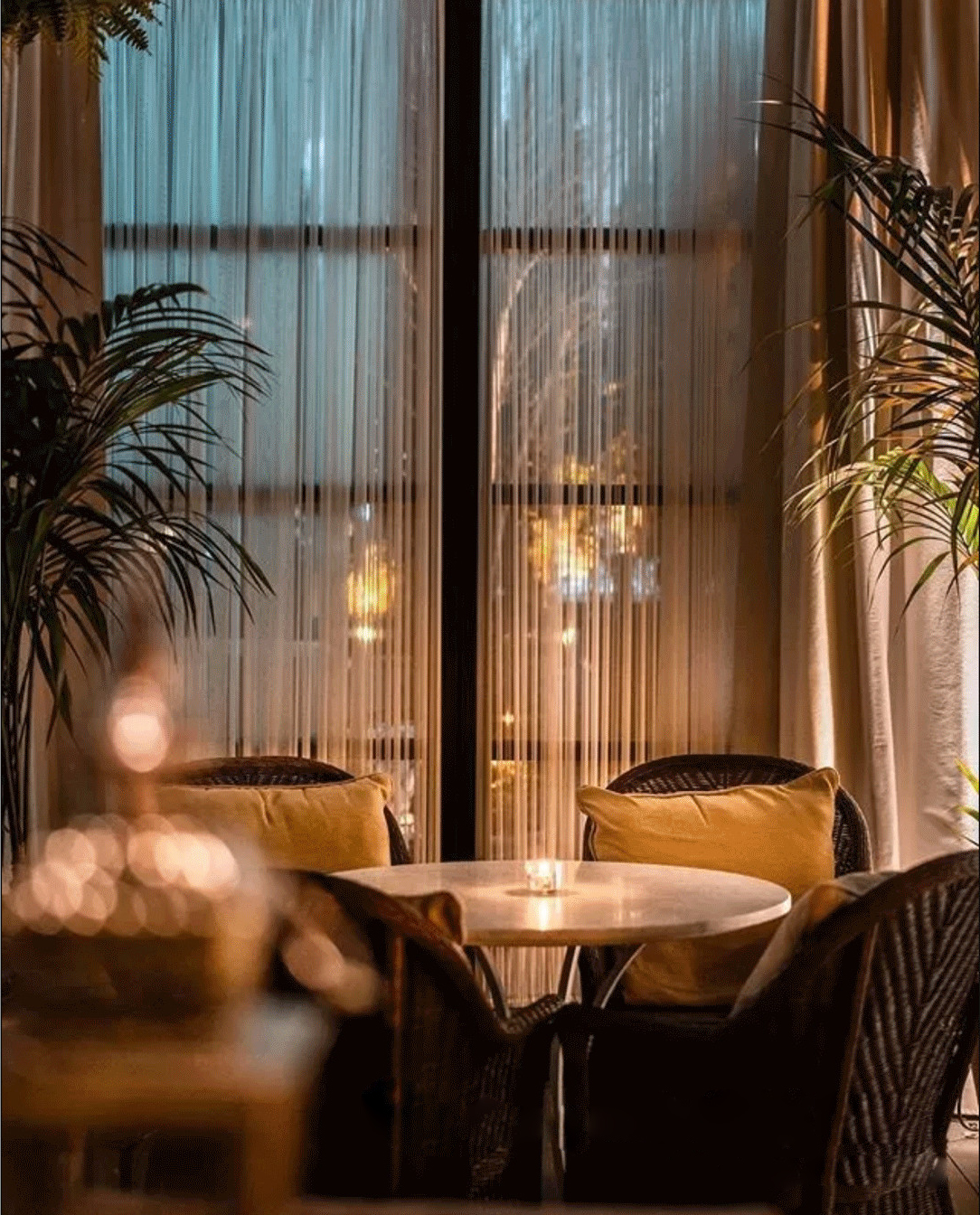
warm lighting and textures
The goal is to create spaces that feel both luxurious and approachable.
Guests entering a boutique or five-star hotel should experience a sense of calm sophistication—what many in China describe as “舒适而优雅” (comfortable and elegant).
This design philosophy guides everything from lobby composition to guest room detailing.
Crafting Memorable Lobby Experiences
The hotel lobby is often the emotional heart of the property. It is the first impression guests experience and the place where social interactions naturally unfold.
In Shanghai’s luxury hotels, the lobby often serves multiple purposes:
-
welcoming arrival space
-
social lounge
-
informal meeting environment
-
cultural showcase
Successful lobby design combines architectural scale with human warmth. High ceilings and sculptural lighting features create visual drama, while carefully arranged seating zones allow guests to relax or conduct informal meetings.
Material selection is critical. Natural stone, warm wood finishes, and elegant textiles create a tactile richness that enhances the guest experience.
In many Shanghai hotels, designers also incorporate elements of Chinese artistry—calligraphy-inspired patterns, handcrafted ceramics, or contemporary interpretations of traditional screens—to establish a sense of place.
Designing Guest Rooms that Feel Like Urban Sanctuaries
Guest rooms are where comfort becomes personal.
In a fast-paced city like Shanghai, travelers often seek spaces that allow them to unwind and recharge. The best Hotel Interior Design Shanghai approaches treat guest rooms as private sanctuaries.
Design strategies typically include:
Calm Color Palettes
Soft neutrals, warm woods, and gentle contrasts create a relaxing environment after a busy day in the city.
Ergonomic Furniture
Comfortable seating, well-positioned work desks, and supportive bedding enhance both relaxation and productivity.
Intelligent Lighting Layers
Ambient lighting, reading lights, and accent illumination allow guests to personalize their atmosphere.
Subtle Cultural Identity
Details inspired by Chinese craftsmanship—such as silk textures, lattice patterns, or locally inspired artwork—add character without overwhelming the space.
The result is a guest experience that feels both international and distinctly Shanghai.
Social Spaces: Restaurants, Bars, and Lifestyle Environments
Modern hotels are no longer just accommodation providers—they are social destinations.
Restaurants, cafés, cocktail bars, and rooftop lounges play a major role in attracting both travelers and local residents.
Our firm’s background in restaurant and retail environments allows us to create hospitality spaces that feel vibrant and memorable.
In Shanghai’s hospitality scene, dining environments often emphasize experiential storytelling. This might involve open kitchens, chef’s tables, dramatic lighting installations, or carefully curated art collections.
These spaces must also function efficiently, balancing aesthetics with operational practicality.
As locals say, “吃得好,住得好”—when guests eat well and stay well, they remember the experience.
Wellness and Multi-Functional Hospitality Spaces
Another major trend shaping hospitality design is the rise of wellness-focused environments.
Today’s travelers increasingly value health, relaxation, and personal well-being. Hotels therefore incorporate spaces such as:
-
spa and wellness facilities
-
yoga studios and fitness centers
-
relaxation lounges
-
multifunctional event spaces
These areas must maintain the same design language as the rest of the property while offering specialized comfort and privacy.
Acoustic comfort, soft lighting, and tactile materials are especially important in wellness environments, creating calm spaces that contrast with Shanghai’s energetic urban rhythm.
Adaptive Spaces for the Future of Hospitality
One key insight shaping modern hospitality design is the importance of adaptable spaces.
Hotels today must accommodate a wide variety of uses—from business meetings to social gatherings and cultural events. Flexible layouts allow spaces to evolve throughout the day.
For example:
-
lounge areas may transform into evening cocktail venues
-
restaurant spaces may host private events
-
meeting rooms may adapt into hybrid conference environments
Designing adaptable interiors ensures that hotels remain competitive in Shanghai’s dynamic tourism market.
This flexibility aligns with broader global hospitality trends where spaces must respond to changing guest behaviors and business needs.
Delivering Hospitality Design with Precision
Creating successful hotels requires close collaboration between designers, developers, operators, and construction teams.
Our firm delivers Hotel Interior Design Shanghai through a structured process that includes:
-
Hospitality concept development
-
Spatial planning and guest flow analysis
-
Material selection and design detailing
-
Lighting and atmosphere strategy
-
Visualization and design presentation
-
Construction coordination and quality supervision
By overseeing the entire process, we ensure that design vision translates into a cohesive built environment.
Creating Destinations, Not Just Hotels
Shanghai’s hospitality landscape is among the most competitive in the world. To stand out, hotels must offer something deeper than visual beauty—they must create emotional connections.
Thoughtful hospitality design can transform a property into a destination where guests feel inspired, comfortable, and welcomed.
Through carefully crafted Hotel Interior Design Shanghai, our firm helps hotels express identity, celebrate local culture, and deliver unforgettable guest experiences.
In a city known for innovation and elegance, the future of hospitality lies in environments that balance luxury with warmth, design with functionality, and global standards with authentic Shanghai character.
Because the most memorable hotels are not simply places to stay—they are places people never forget.
Connect with us in


