Define the brief
Agree users, priorities, scope and decision-makers before drawing the first plan.
Brand Experience
Brand strategy translated into identity, environment, content and customer experience.
View selected work ↗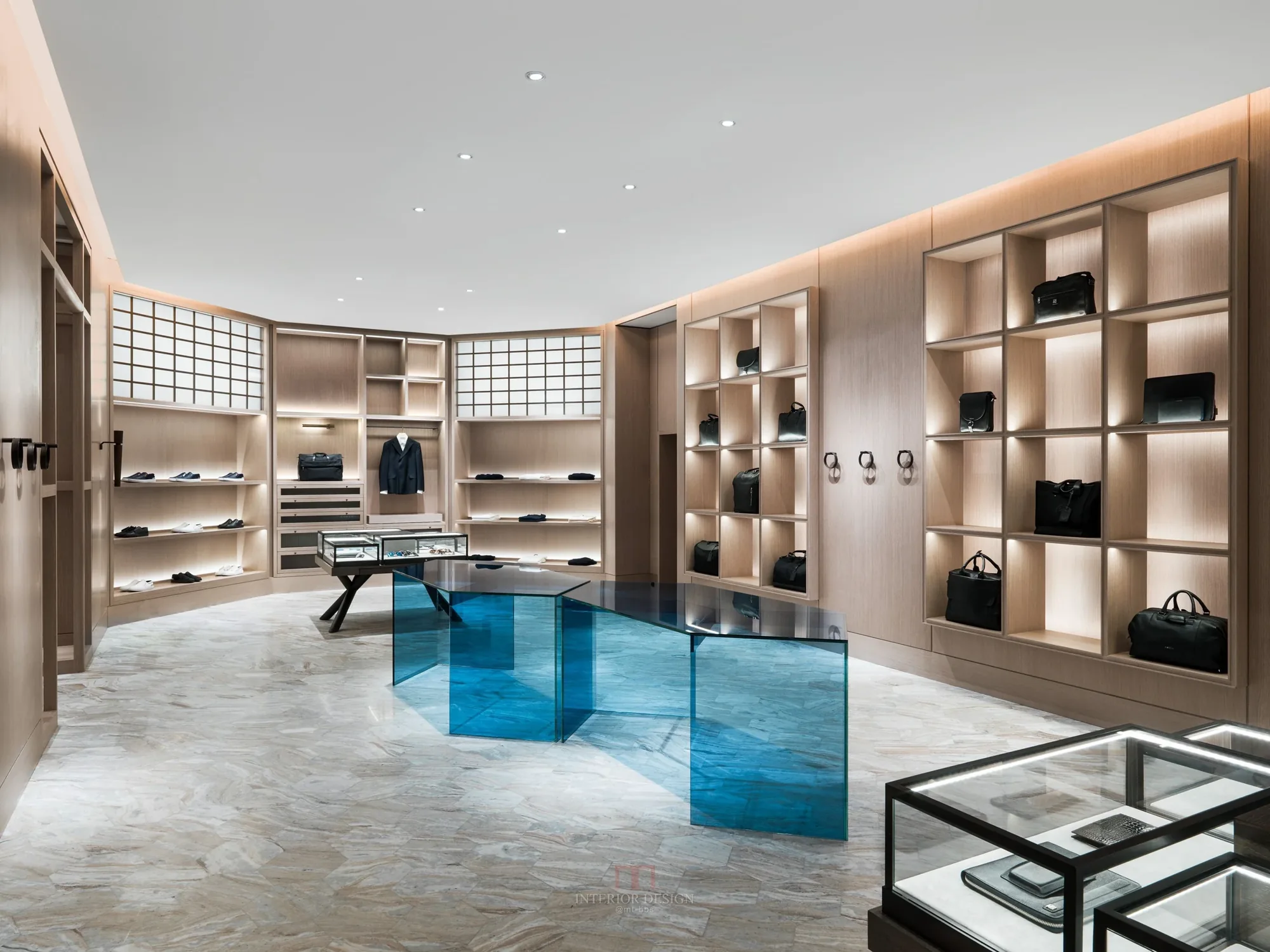
Brand experience connects what a company promises with what people encounter. We explore audience, positioning and the behaviours a place should encourage, then translate those decisions into spatial sequence, identity and touchpoints. The work can begin before an interior brief exists or extend an established brand into a new physical setting.
Agree users, priorities, scope and decision-makers before drawing the first plan.
Compare circulation and spatial options against existing conditions and the operating brief.
Coordinate materials, lighting, joinery and specialist interfaces with the approved direction.
Align procurement, site responsibilities and inspections with the agreed programme.
Bring available plans, photographs, an approximate area and your intended use to the first conversation. We review the building’s conditions and the decisions that influence scope, investment and timing. The brief can evolve, but responsibilities and approval points should stay clear.
For an occupied property, access and continuity need particular attention. For a new fit-out, the starting shell and technical systems shape the work. A written scope separates design, construction, furniture and specialist packages so you can compare proposals on the same basis.
Yes. We agree responsibilities and use the existing strategy and identity as the starting point. Spatial design adds scale, movement, lighting and material to that system. Early coordination keeps signage, interiors and digital touchpoints from developing in isolation.
The scope can cover brand discovery; experience principles; visual identity interfaces; spatial narrative; touchpoint mapping; implementation guidelines. We select and define the relevant deliverables in the proposal, including consultant interfaces and any exclusions. This allows you to compare the service against your actual brief.
Important factors include research depth, touchpoint count and identity development. Area alone is not enough to establish a reliable figure. We separate design deliverables, construction and procurement allowances, and review changes before they become site instructions.
Confirm research depth, touchpoint count and identity development alongside the project brief. These decisions influence coordination and lead times. Review the existing space, agree who signs off the design and identify any specialist input before a final completion date is committed.
IDEAS / PRACTICAL PERSPECTIVES
Tell us where, what and why. We will help define the next step.
Discuss your project ↗