Define the brief
Agree users, priorities, scope and decision-makers before drawing the first plan.
Spatial Branding
Graphics, wayfinding, storytelling and interior cues working as one brand system.
View selected work ↗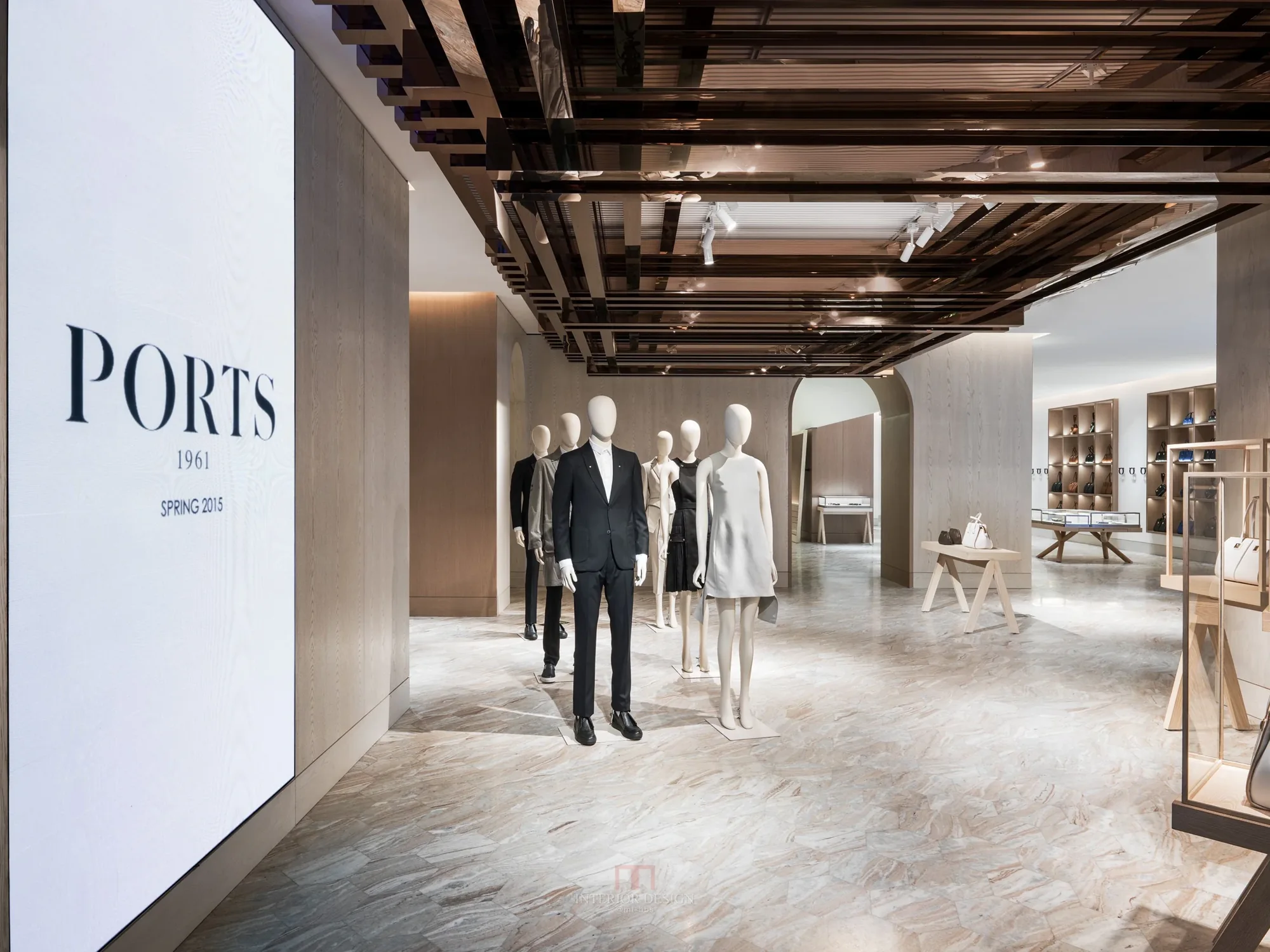
Spatial branding helps people recognise a place and understand how to move through it. We combine environmental graphics, wayfinding, material cues and storytelling with the interior architecture. The goal is coherence: a visitor should find the right destination without losing the character of the brand along the way.
Agree users, priorities, scope and decision-makers before drawing the first plan.
Compare circulation and spatial options against existing conditions and the operating brief.
Coordinate materials, lighting, joinery and specialist interfaces with the approved direction.
Align procurement, site responsibilities and inspections with the agreed programme.
Bring available plans, photographs, an approximate area and your intended use to the first conversation. We review the building’s conditions and the decisions that influence scope, investment and timing. The brief can evolve, but responsibilities and approval points should stay clear.
For an occupied property, access and continuity need particular attention. For a new fit-out, the starting shell and technical systems shape the work. A written scope separates design, construction, furniture and specialist packages so you can compare proposals on the same basis.
We establish a consistent information hierarchy, type scale and location logic before applying graphics. English and Chinese need adequate reading distance and space. The system should be tested in realistic views rather than judged only as artwork on a screen.
The scope can cover wayfinding hierarchy; environmental graphics; naming systems; material and colour cues; signage details; installation coordination. We select and define the relevant deliverables in the proposal, including consultant interfaces and any exclusions. This allows you to compare the service against your actual brief.
Important factors include signage quantity, graphic production and installation access. Area alone is not enough to establish a reliable figure. We separate design deliverables, construction and procurement allowances, and review changes before they become site instructions.
Confirm signage quantity, graphic production and installation access alongside the project brief. These decisions influence coordination and lead times. Review the existing space, agree who signs off the design and identify any specialist input before a final completion date is committed.
IDEAS / PRACTICAL PERSPECTIVES
Tell us where, what and why. We will help define the next step.
Discuss your project ↗