Hospitality / GUIDE 13
Interior Design Shanghai: All-Day Dining Transitions
Plan an all-day dining interior in Shanghai that moves between breakfast, lunch and evening service through coordinated furniture, lighting and storage.
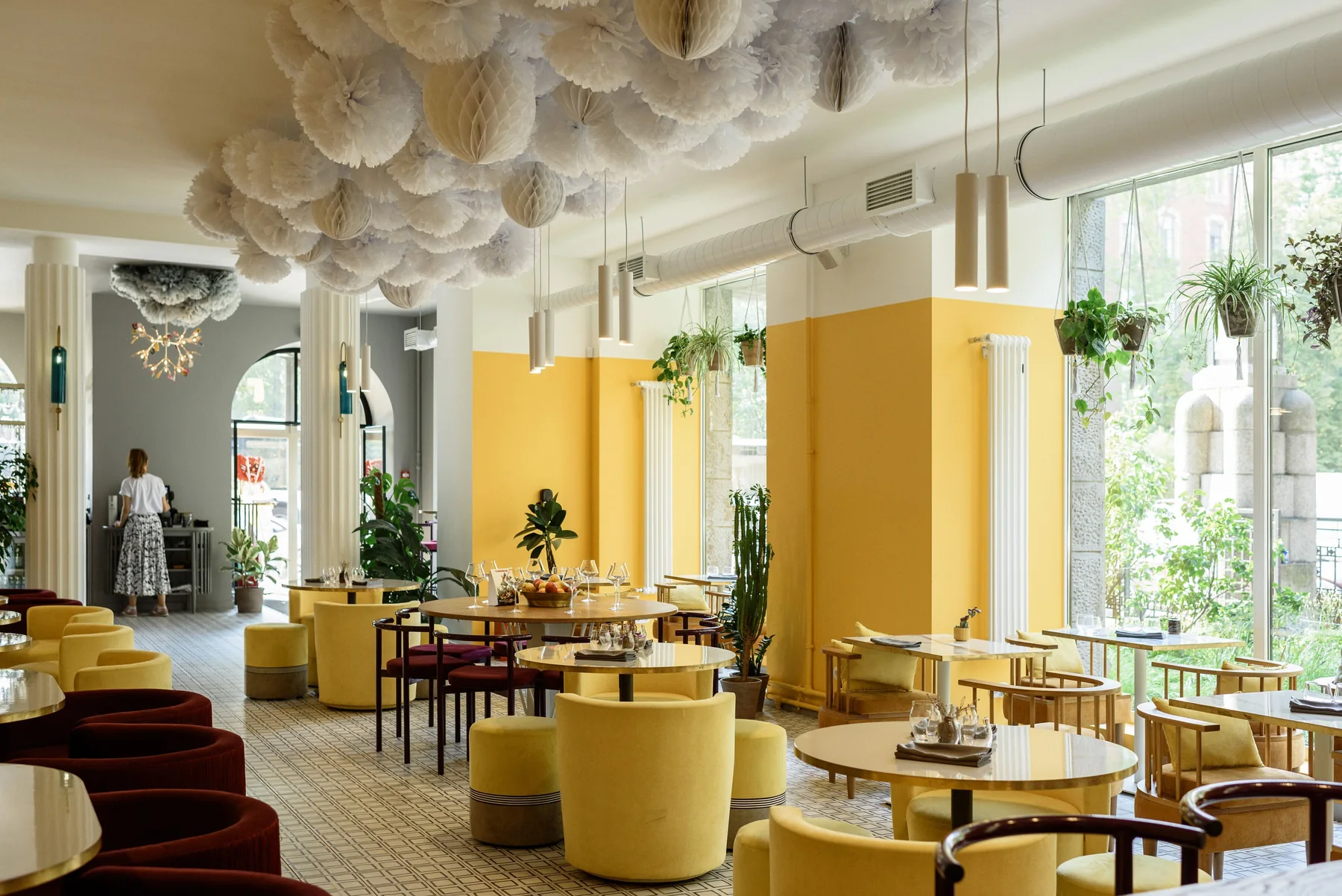
The essential idea
An all-day dining room needs a clear plan for changing use, not just a flexible appearance. Define each service period, identify what moves or changes and provide the storage and controls needed for the transition. Keep the guest experience and staff reset process coordinated.
A room that serves breakfast, daytime meetings and evening dining has to do more than look appropriate at different hours. Its furniture, service points and lighting must support the changes in activity. For a Shanghai hospitality project, the useful question is what the team must physically do between those periods. Designing that transition can make the room more coherent and easier to operate throughout the day.
Describe the room at each service period
Work with the operator to define the intended offer for morning, afternoon and evening. Record typical group sizes, service style and the equipment or displays used. Avoid assuming that a single table plan will suit every period without adjustment.
Identify which changes are essential and which are mainly atmospheric. Removing a breakfast display is a different task from adjusting lights or changing table settings. This distinction helps the team understand where physical flexibility is needed and where a simpler design response may be enough.
Establish the stable framework
Keep principal circulation, service access and essential infrastructure understandable across all configurations. Movable furniture should work within that framework rather than create a completely new room every few hours.
Test the most demanding arrangement with occupied chairs and active service routes. If the room only works in its quietest configuration, the plan needs further development. A stable structure makes the changing elements easier for both staff and returning guests to understand.
Design the elements that actually change
List the furniture, displays and accessories that move between periods. Confirm their dimensions, weight and handling method. Consider whether one person or a team performs the change and how frequently it occurs.
Provide appropriate storage close enough to be practical. A removable display is not truly convenient if it has nowhere to go. Label the intended storage locations and include covers, spare table settings and supporting equipment in the schedule.
Use lighting to support the transition
Discuss the desired atmosphere and working conditions for each period with the lighting team. A daytime setting may rely differently on windows and artificial light from an evening service. Review the effect with the selected finishes and table arrangement.
Controls should make the agreed settings easy to establish. Avoid depending on a complicated sequence that staff cannot reproduce consistently. Keep product compatibility, maintenance and any required technical settings within the coordinated installation brief.
Keep service support ready for each mode
Check where staff replenish supplies, prepare service items and clear used dishes. Some support locations may remain constant, while others may need a different role across the day. Make those changes explicit in the operating plan.
Review the relationship between guest activity and the reset. A transition may happen while part of the room remains occupied. Consider how the work can be organised appropriately so the next period is prepared without making the remaining guests feel displaced.
Rehearse the complete changeover
Walk through the sequence with the operational team before approving bespoke furniture or storage. Use a checklist showing what stays, what moves and who is responsible. Adjust the design where the process involves repeated awkward handling.
| Period | Design question |
|---|---|
| Breakfast | Where do displays, replenishment and clearing occur? |
| Daytime use | Which tables support shorter visits or informal meetings? |
| Evening service | What changes in lighting, settings and service preparation? |
| Reset | Where are removed items stored and checked? |
A Shanghai all-day dining room can have a consistent identity while changing its atmosphere and operation. The design becomes more useful when those changes are planned as ordinary daily actions, supported by the right furniture, storage and controls.
Common questions
Does an all-day dining room need movable furniture everywhere?
No. Keep a stable framework and make only the necessary elements adaptable. Too much movement can create extra work without improving the guest experience. Define the actual changes before selecting furniture.
Can lighting alone change the room for evening service?
It can contribute strongly to atmosphere, but the operating needs may also change. Review table settings, service equipment, storage and furniture arrangements so the evening mode is practical as well as visually distinct.