
- 200
Interior Design Shanghai | Premium Restaurant, Café & Bar Hospitality Experiences
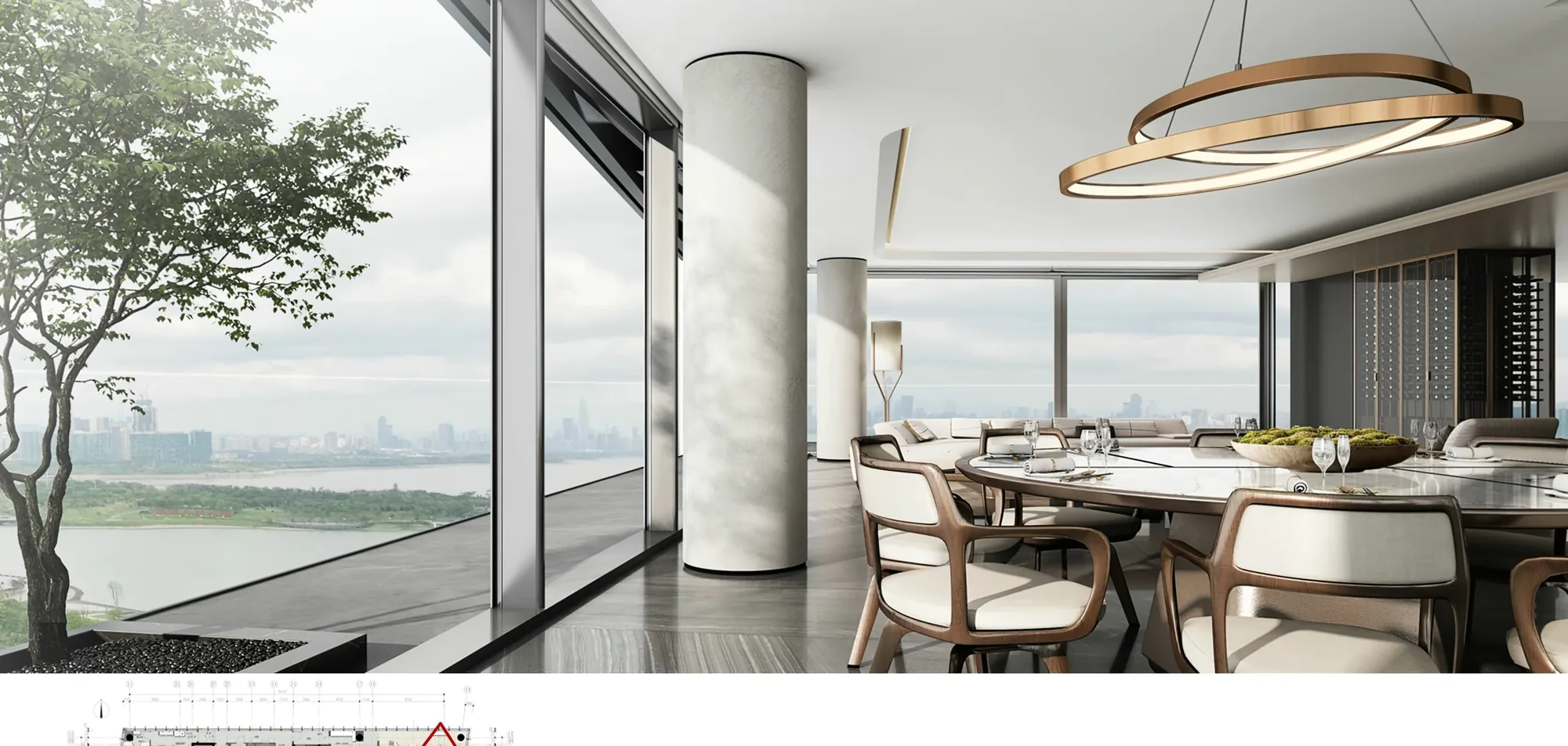
Shanghai is a city where tradition and modernity coexist in a dazzling interplay. From the bustling Bund with its colonial-era architecture to the sleek skyscrapers of Lujiazui, the city’s hospitality landscape mirrors its dynamic urban energy. Restaurants, cafés, and bars here are more than venues—they are stages for social interaction, culinary storytelling, and lifestyle expression.Shanghai Interior Design
For businesses in Shanghai, standing out requires more than excellent food or drinks. Thoughtful Interior Design Shanghai can elevate a hospitality venue into a memorable destination, combining aesthetics, functionality, and brand narrative.
Our approach treats every space as a living experience, creating interiors that resonate emotionally with guests while reinforcing operational efficiency and commercial success.
Understanding Shanghai’s Hospitality Landscape
Shanghai’s dining and nightlife culture is vibrant and diverse. From refined Cantonese and Shanghainese cuisine to globally inspired fusion restaurants, the city caters to both discerning locals and international visitors. Districts like Xintiandi, Jing’an, and French Concession are known for their design-forward cafés, lifestyle restaurants, and boutique bars, where ambiance is as critical as the menu.
Key factors influencing hospitality interior design in Shanghai include:
-
Dense urban environment: Space efficiency is critical in high-rise buildings and mixed-use developments.
-
High competition in F&B: Differentiation through design is essential to attract repeat customers.
-
Social media culture: Instagram-worthy interiors amplify visibility and brand reach.
-
Tourism influx: International guests expect contemporary aesthetics combined with local cultural references.
-
Climate considerations: Hot, humid summers and cold winters influence choices in ventilation, indoor-outdoor spaces, and material selection.
Restaurants, cafés, and bars must navigate these factors to create environments that are both inviting and strategically aligned with brand identity.
Translating Brand Concept into Spatial Experience
Successful hospitality spaces start with a clear concept. Every material, lighting decision, and spatial layout must express the venue’s personality. In Shanghai, storytelling often incorporates subtle nods to local culture—think modern adaptations of shikumen façades, bamboo-inspired textures, or soft lantern-like lighting accents that recall traditional aesthetics.
Our firm translates brand concepts into spatial experiences through:
-
Concept Storytelling: Establishing a narrative that aligns with cuisine, service style, and target audience.
-
Spatial Planning & Guest Flow: Optimizing circulation from entry to seating zones, bars, and private areas.
-
Lighting Design: Balancing daylight and evening ambiance to create mood, highlight focal points, and enhance Instagram-worthy moments.
-
Material Selection & Textures: Layering natural and luxurious materials for sensory depth while considering maintenance and climate resilience.
-
Furniture & Fixture Integration: Designing custom pieces that support comfort, operational workflow, and visual identity.
-
Acoustic & Atmospheric Comfort: Creating soundscapes that encourage conversation while maintaining energy in lively venues.
This approach ensures that every visitor experiences a cohesive journey that is both functional and memorable.
Tailoring Design to Hospitality Typologies
Different hospitality venues require tailored strategies:
-
Fine Dining Restaurants: Emphasize intimacy, subtle lighting, and tactile luxury to complement sophisticated culinary experiences.
-
Casual Cafés: Blend comfort and flexibility with social media-friendly aesthetics, often integrating greenery and natural materials for a relaxed atmosphere.
-
Cocktail Bars & Nightlife Venues: Prioritize dynamic lighting, layered textures, and focal points that define energy and exclusivity.
-
Boutique Hotels: Merge functional guest flow with curated environments that reflect the city’s cultural narrative and lifestyle trends.
In Shanghai, where lifestyle and business converge, these typologies must adapt to high-density locations, extended service hours, and evolving consumer expectations.
Designing for Visual Impact and Social Engagement
In today’s hospitality market, interior design drives visibility. A memorable design encourages guests to linger, share experiences online, and associate the space with lifestyle aspirations. Features that enhance this impact include:
-
Dramatic architectural elements, such as staircases, ceilings, or wall treatments
-
Signature lighting installations that create mood transitions
-
Curated textures and bespoke furniture that reinforce brand identity
-
Focal points that naturally draw attention and photographs
By integrating these design cues, venues in Shanghai gain a competitive edge, increasing dwell time, guest satisfaction, and organic digital promotion.
Operational Efficiency Meets Aesthetic Excellence
Premium hospitality design is not purely decorative. Thoughtful interiors also improve operational efficiency, from kitchen adjacency and service pathways to seating arrangements that optimize capacity without compromising comfort.
Our approach balances aesthetic vision with functional practicality, ensuring that staff workflow is seamless while guests experience comfort and delight. Efficient layouts, strategically placed bar counters, and adaptable seating contribute directly to the venue’s commercial performance.
The Role of an Experienced Design Partner
A successful hospitality project requires comprehensive guidance from concept to completion. Our firm oversees:
-
Concept development and brand alignment
-
Design strategy and spatial planning
-
Technical documentation and construction coordination
-
Material and furniture specification
-
Lighting, acoustic, and ambiance curation
-
Final styling and experiential detailing
This holistic approach ensures that every design decision reinforces the brand, operational goals, and guest experience.
Crafting Iconic Hospitality Spaces in Shanghai
In Shanghai’s competitive market, interior design defines a venue’s identity. By blending cultural awareness, contemporary aesthetics, and operational intelligence, our firm creates Interior Design Shanghai solutions that are visually compelling, functionally effective, and commercially successful.
From restaurants and cafés to bars and boutique hotels, our designs turn everyday hospitality spaces into destinations that captivate guests, inspire sharing, and elevate the city’s dining and nightlife landscape.
The most memorable hospitality experiences are born where culinary artistry meets architectural storytelling—and where every detail is designed with the guest in mind.
Connect with us in