
- 236
Restaurant Interior Design Shanghai: When Dining Becomes an Experience, Not Just a Meal
Why Restaurants in Shanghai Must Be Designed for Experience
Shanghai is not short of restaurants.
From Michelin-starred fine dining in Xintiandi, to avant-garde concepts in Jing’an, to lifestyle-driven F&B hubs along The Bund and West Bund, competition is intense, sophisticated, and fast-moving. Restaurant Interior Design Shanghai
In this environment, good food alone is no longer enough.
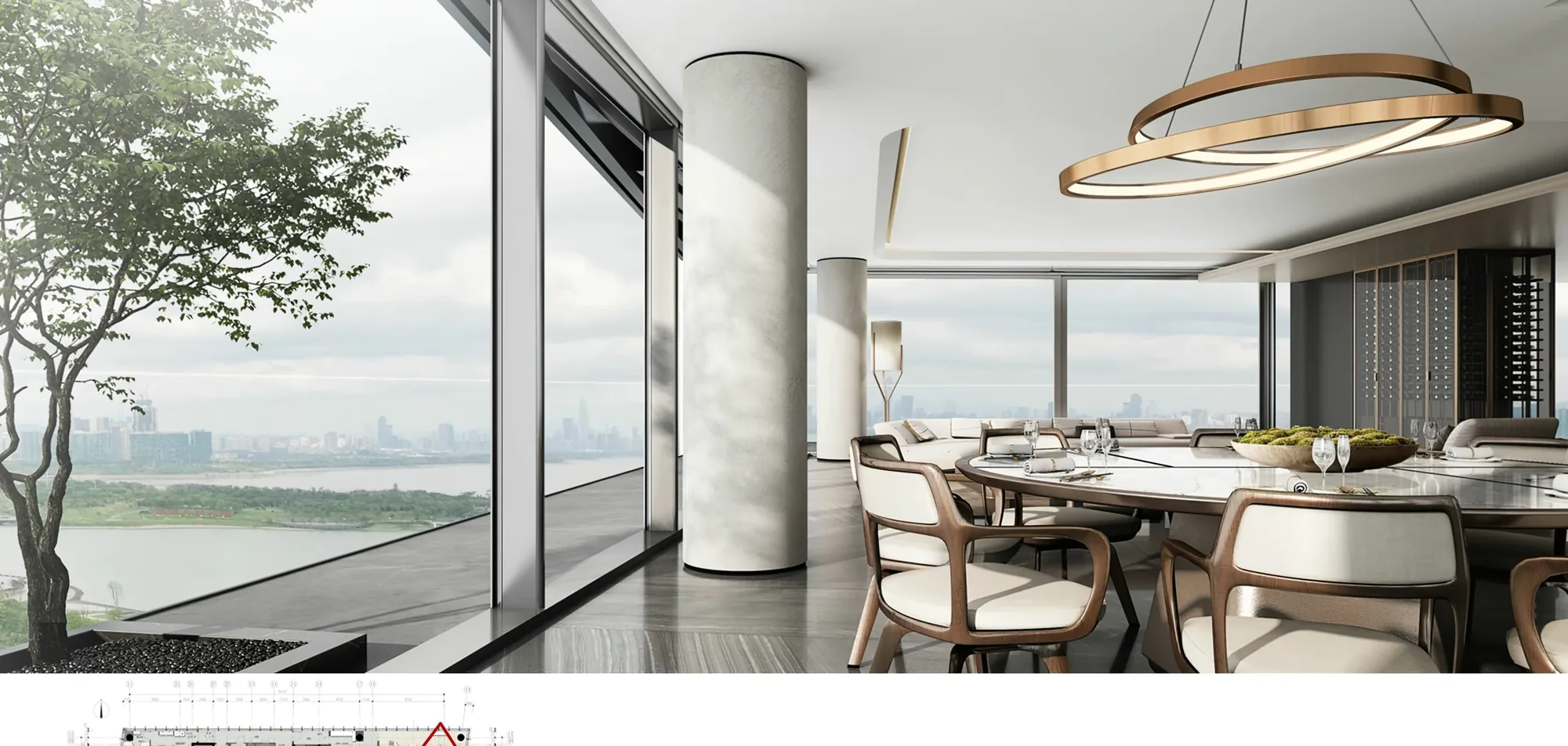
Today, Restaurant Interior Design Shanghai is not about decoration or trends — it is about creating an emotional journey where guests remember how the space made them feel, not just what they ate.
在上海,用餐已经成为一种“体验消费”。空间,氛围,节奏,故事,都会影响顾客是否愿意再次回来。
From Décor to Journey: How Restaurant Design Has Evolved
Traditional restaurant interiors focused on:
-
Furniture
-
Finishes
-
Visual themes
Modern experience-led restaurants focus on:
-
Arrival moments
-
Flow and pacing
-
Atmosphere and sensory balance
-
Brand storytelling
-
Operational performance
A well-designed restaurant feels effortless to the guest — but every moment is carefully planned.
Here Is How Experience-Driven Restaurant Design Works in Practice
1. Spatial Planning: Designing the Emotional Sequence
Experience begins before the guest sits down.
In Shanghai restaurants, spatial planning must consider:
-
Street visibility vs privacy
-
Transition from city noise to interior calm
-
Gradual reveal of dining zones
从入口、等位区、主用餐区到包间,每一步都是情绪的铺垫。
Great layouts create:
-
Anticipation
-
Comfort
-
A sense of exclusivity
Not confusion or crowding.
2. Customer Flow: Invisible, But Critical
One of the biggest mistakes in restaurant design is ignoring movement.
Experience-led design maps:
-
Guest arrival and waiting
-
Staff circulation
-
Food delivery paths
-
Service touchpoints
当服务流线与客流线清晰分离,餐厅就会显得“顺”,顾客自然感到被照顾。
This balance directly affects:
-
Dwell time
-
Table turnover
-
Guest satisfaction
A beautiful restaurant that operates poorly will never succeed in Shanghai’s demanding F&B market.
3. Atmosphere Is a System, Not a Style
Atmosphere is not created by lighting alone — it is a layered system.
Lighting
-
Soft ambient light for comfort
-
Focused task lighting for food presentation
-
Adjustable scenes for lunch vs dinner
Acoustics
-
Controlled reverberation
-
Material selection that absorbs noise
-
Spatial zoning to avoid echo
Materials
-
Warm textures that invite touch
-
Durable finishes suitable for high turnover
-
Local sensibility with global quality
在上海,餐厅必须既有“格调”,又不能让人感到拘谨。
4. Sensory Design: Designing Beyond What You See
Memorable restaurants engage all five senses.
-
Sound: calm, not chaotic
-
Scent: subtle, never overpowering
-
Texture: tactile surfaces that feel intentional
-
Temperature: comfort despite Shanghai’s humid summers
这些细节,顾客未必能说出来,但一定能感受到。
This sensory balance is a defining factor in Restaurant Interior Design Shanghai that performs long-term.
5. Brand Storytelling Through Space
Restaurants today are brands — not just places to eat.
Design should express:
-
The chef’s philosophy
-
Cultural references
-
Local relevance
-
Emotional positioning
空间本身就是品牌语言。
Whether the concept is contemporary Chinese, Japanese omakase, or modern European dining, the story must be clear — but never literal or over-designed.
6. Operational Efficiency Is Part of the Experience
Guests may not see the kitchen, but they feel its efficiency.
Experience-driven design integrates:
-
Optimized kitchen layouts
-
Clear back-of-house zoning
-
Storage and service efficiency
-
Compliance with local regulations
在上海,如果运营不顺,体验一定会被破坏。
Great design protects margins and guest perception at the same time.
Why Local Understanding Matters in Shanghai
Shanghai diners are:
-
Well-traveled
-
Design-aware
-
Experience-driven
-
Highly selective
Restaurants must respond to:
-
Fast-changing dining trends
-
Social media culture
-
High expectations for service and atmosphere
Copying overseas concepts without localization often fails.
Successful Restaurant Interior Design Shanghai blends:
-
International standards
-
Local dining culture
-
Climate awareness
-
Regulatory knowledge
Our Firm: Designing Restaurants That Perform Emotionally and Commercially
Our firm is a global interior design & build partner with deep hospitality expertise across:
-
Fine dining
-
Casual dining
-
Lifestyle F&B
-
Flagship restaurant concepts
We deliver end-to-end services:
-
F&B concept strategy
-
Spatial planning and interior architecture
-
Sensory and lighting design
-
Technical coordination
-
Fit-out and turnkey delivery
We design restaurants not to impress once — but to build loyalty.
The New Definition of a Great Restaurant
A great restaurant today is not:
-
The most photographed
-
The most expensive
-
The trendiest
It is the one that:
-
Feels effortless
-
Operates smoothly
-
Creates emotional memory
-
Makes guests want to return
在上海,真正成功的餐厅,是让人“想再来一次”的空间。
That is the power of experience-led Restaurant Interior Design Shanghai.
Connect with us in