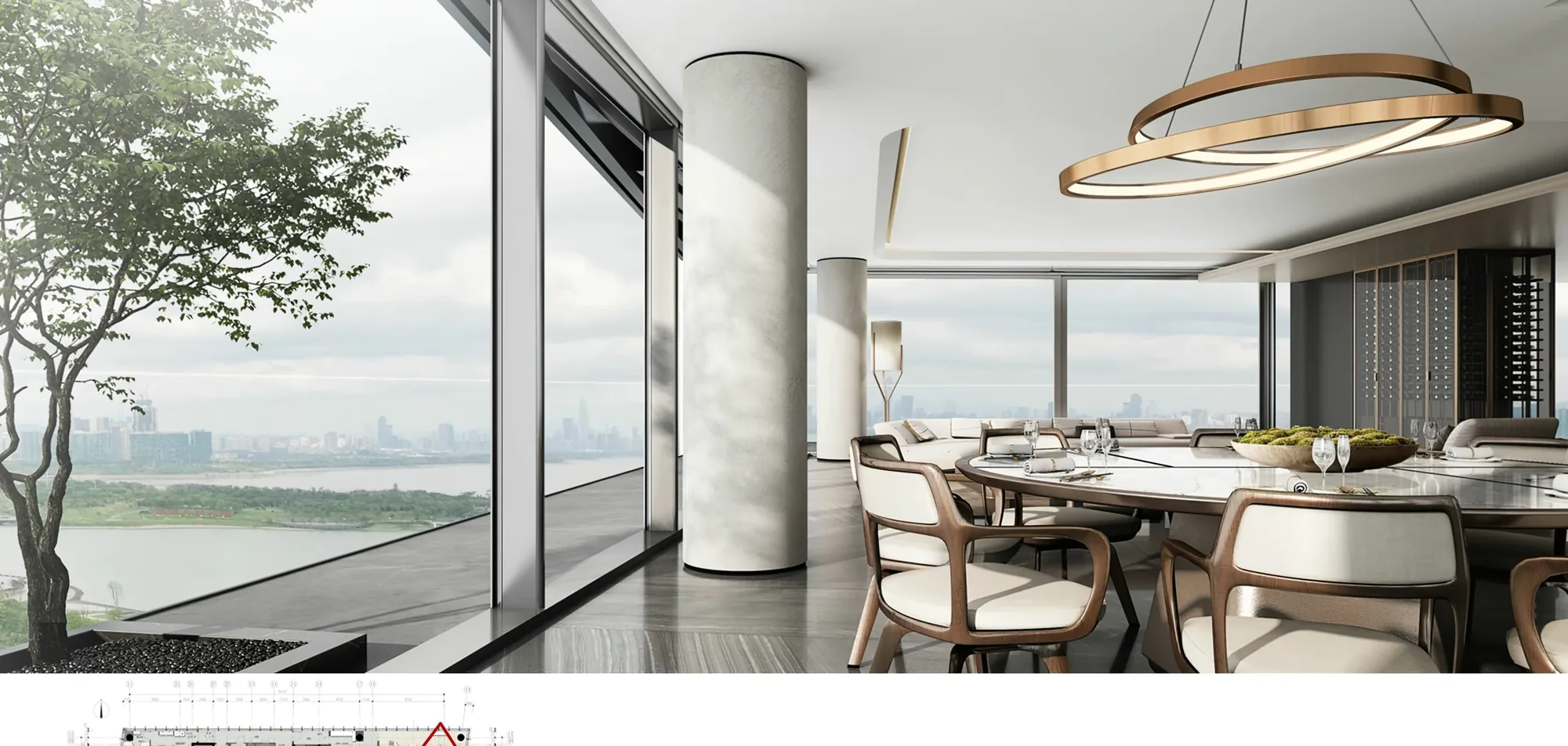
- 160
Office Interior Design Shanghai | Designed to Unlock Workplace Performance
The workplace has changed permanently. Office Interior Design Shanghai
Today’s offices are no longer static environments built only for desks and meetings. They are strategic ecosystems that influence how people think, collaborate, innovate, and connect. In cities like Shanghai—where global business, technology, finance, and creative industries intersect—the office has become one of the most important tools shaping organizational culture and long-term performance.
At our firm, we approach Office Interior Design Shanghai through the lens of workplace strategy rather than aesthetics alone. We believe successful office environments are deeply human-centered, carefully planned, and intentionally designed to support both business objectives and employee wellbeing.
Modern luxury in the workplace is no longer about visual excess. It is about clarity, comfort, flexibility, and performance—舒适而高效—comfortable yet highly effective.
From the fast-paced towers of Lujiazui to the innovation-driven districts of Jing’an and Xuhui, companies across Shanghai are rethinking what the office should feel like in the future of work.
What Is Workplace Design Strategy?
Workplace design strategy is the process of aligning spatial design with organizational goals, workforce behavior, and future growth.
A well-designed office does more than look impressive. It shapes:
- Communication patterns
- Team collaboration
- Employee focus
- Workplace wellbeing
- Operational efficiency
- Company culture
Strategic workplace design combines:
- Spatial planning
- Behavioral understanding
- User research
- Environmental psychology
- Organizational identity
This is why Office Interior Design Shanghai requires more than decorative thinking. In a city driven by innovation and performance, offices must function as living systems that support productivity while remaining emotionally engaging.
Designing for Workplace Performance
Every design decision influences how people work.
The layout of circulation pathways. The placement of collaborative spaces. The balance between quiet focus areas and social interaction zones. Together, these shape workplace performance on a daily basis.
At our firm, we design offices that support multiple work modes simultaneously:
- Deep focus work
- Collaborative teamwork
- Informal interaction
- Learning and mentoring
- Hybrid meetings
- Social engagement
Successful workplaces are carefully zoned to reduce friction while improving flow.
In Office Interior Design Shanghai, this is particularly important because office density, fast-moving work culture, and global competition create high-performance expectations. Employees need environments that support concentration without isolation and collaboration without chaos.
The office should feel intuitive—not exhausting.
Human-Centered Workplace Design
The highest-performing workplaces are designed around people, not purely operational efficiency.
This means understanding how environmental quality affects emotional wellbeing, comfort, and engagement throughout the day.
We integrate human-centered principles through:
- Natural and layered lighting
- Acoustic comfort
- Ergonomic planning
- Indoor air quality
- Biophilic integration
- Tactile and calming material palettes
In Shanghai’s dense urban environment, sensory comfort becomes increasingly valuable. Offices today must counterbalance external intensity with internal calm—让人放松但保持专注—spaces that relax the mind while supporting focus.
This emotional layer is becoming essential in modern Office Interior Design Shanghai projects.
The Future of Work & Adaptive Environments
Hybrid work has fundamentally reshaped how offices function.
Employees no longer come to the office only to complete individual tasks. They come for:
- Collaboration
- Culture-building
- Innovation
- Mentorship
- Social connection
As a result, workplaces must become flexible ecosystems capable of evolving over time.
Adaptive workplace design includes:
- Modular planning systems
- Flexible meeting environments
- Shared collaborative zones
- Multi-functional social spaces
- Technology-integrated hybrid work settings
Offices today must remain future-ready rather than fixed.
In Shanghai’s rapidly evolving commercial environment, adaptability is not optional—it is strategic resilience.
Brand, Culture & Workplace Identity
An office is a physical expression of organizational identity.
The workplace communicates:
- Company values
- Leadership vision
- Brand personality
- Workplace culture
- Long-term ambition
Through materiality, spatial storytelling, lighting, and atmosphere, design becomes a powerful tool for attracting and retaining talent.
In competitive markets like Shanghai, this matters deeply. High-performing professionals increasingly evaluate workplace experience as part of company culture.
A thoughtfully designed office can strengthen:
- Employee loyalty
- Recruitment success
- Team engagement
- Organizational pride
At our firm, we design workplaces that feel authentic rather than generic—spaces with identity, emotion, and clarity.
Designing Workplaces in Shanghai
Shanghai presents one of Asia’s most dynamic workplace landscapes.
The city combines:
- High-density commercial environments
- Innovation-driven industries
- Global corporate ecosystems
- Technology and finance sectors
- Increasing demand for hybrid workplaces
Each district presents different workplace dynamics.
Lujiazui & Pudong
Corporate headquarters and financial institutions demand highly efficient, globally sophisticated environments.
Jing’an & Xuhui
Creative industries and technology companies increasingly seek lifestyle-oriented workplaces with collaborative energy.
Hongqiao
Business hubs here emphasize connectivity, flexibility, and regional integration.
In Office Interior Design Shanghai, successful workplaces must balance:
- Spatial efficiency
- Emotional comfort
- Technology integration
- Human-centered planning
- Brand-driven identity
This localized understanding allows offices to feel globally competitive while remaining culturally relevant.
Our Workplace Design Approach
At our firm, every project begins with listening and analysis rather than assumptions.
Our methodology includes:
Workplace Analysis
Understanding organizational structure, workflows, and future goals.
User Research
Studying how teams interact, collaborate, and move throughout the day.
Strategy Development
Defining spatial objectives aligned with business performance.
Concept Design
Creating a workplace narrative rooted in culture and identity.
Spatial Planning
Designing adaptive zoning systems that support multiple work modes.
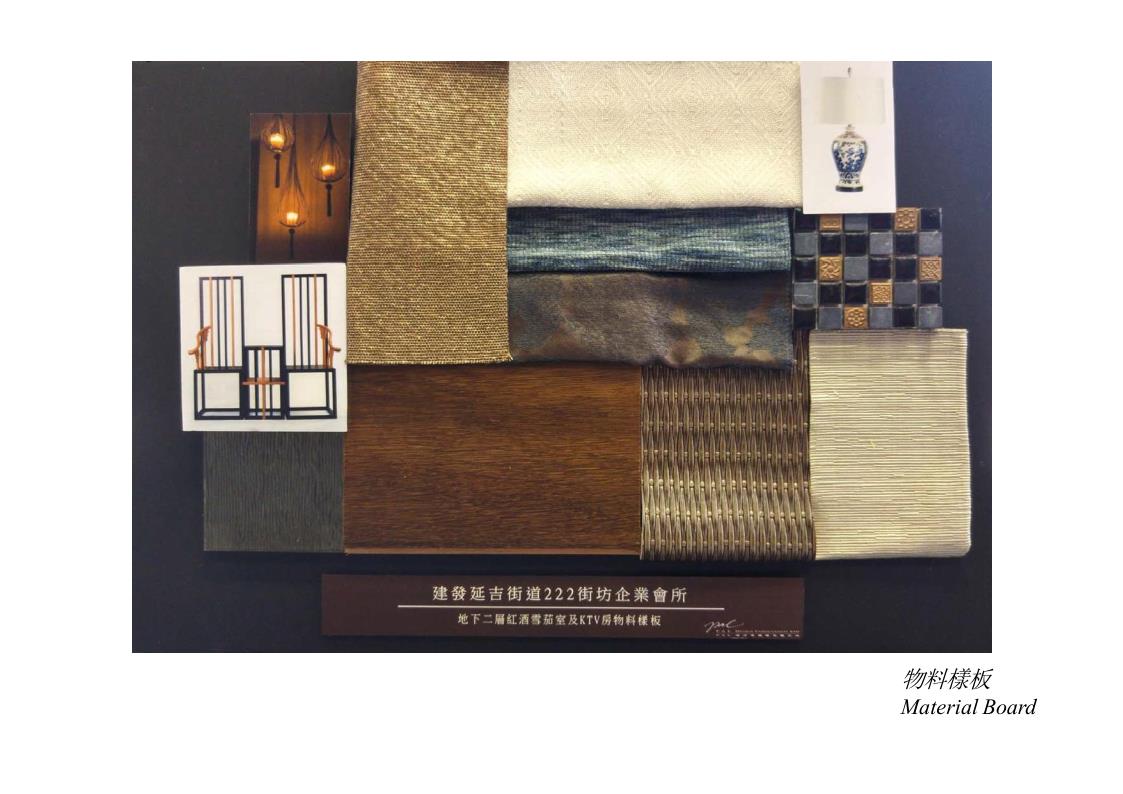
Material & Lighting Design
Shaping atmosphere through tactile materials and layered illumination.
Technical Coordination
Ensuring design vision translates effectively into execution.
Final Delivery
Refining every detail to support long-term usability and workplace success.
This strategic process allows us to create offices that are not only visually refined but measurably effective.
Our Perspective
We believe the office of the future must feel deeply human.
It should support:
- Productivity without burnout
- Collaboration without distraction
- Flexibility without confusion
- Innovation without stress
At our firm, we create workplaces where business goals, employee wellbeing, and design intelligence intersect naturally.
This is our philosophy behind Office Interior Design Shanghai—offices designed not simply to house work, but to unlock human performance, strengthen culture, and support long-term organizational growth.
Rethink Your Workplace in Shanghai
If your organization is ready to move beyond conventional office planning, now is the time to rethink the workplace as a strategic business asset.
Let’s create an office environment that:
- Enhances productivity
- Strengthens company culture
- Supports future work models
- Improves employee experience
- Reflects your organizational identity
Because the best workplaces are not designed around desks alone.
They are designed around people.
Connect with us in