- 440
Retail Interior Design Firm – Redefining the Luxury Experience in Challenging Times
Luxury retail is evolving rapidly, especially in dynamic cities like Shanghai, where economic fluctuations and shifting consumer behaviors challenge traditional retail strategies. Today, luxury is not just about high-end products—it’s about creating emotionally engaging, immersive experiences that resonate with visitors on every level.Interior Retail Design Shanghai
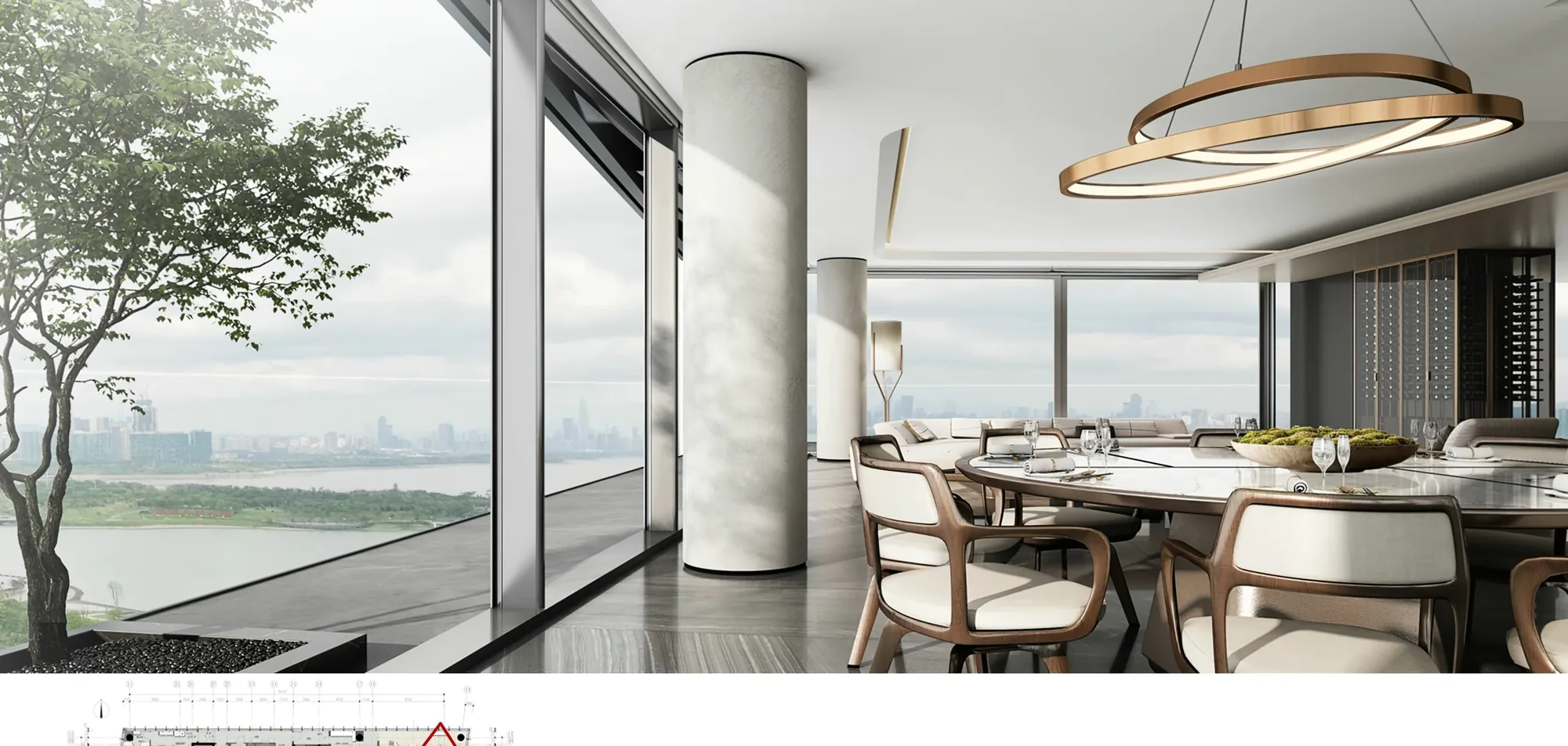
Our firm’s approach to Interior Design Shanghai focuses on spatial storytelling, sensory engagement, and strategic material use, helping brands maintain prestige, exclusivity, and emotional connection while optimizing budgets.
Luxury Retail in a Changing Economy
Shanghai’s retail districts—Nanjing Road, Huaihai Road, and Xintiandi—have long been synonymous with high-end shopping. However, the recent economic landscape demands adaptability. Consumers are seeking meaningful experiences, and brands must find innovative ways to connect without compromising on luxury.
-
Emotional Engagement: Spaces must evoke feelings of elegance, trust, and excitement.
-
Budget-Conscious Design: Thoughtful layouts and smart material choices allow brands to maintain a premium feel without excessive cost.
-
Resilience Through Creativity: Adaptive design strategies ensure retail interiors can evolve with changing market demands.
Through Interior Design Shanghai, our firm creates retail spaces that not only survive in challenging times but thrive by offering visitors memorable, emotionally charged experiences.
Spatial Storytelling: Crafting Experiences That Resonate
In luxury retail, the journey matters as much as the product. Spatial storytelling transforms a store from a transactional space into an immersive narrative that reflects a brand’s identity.
-
Pathways and Flow: Carefully planned circulation guides visitors naturally, encouraging exploration while highlighting key products.
-
Zoning and Ambience: Curated lighting, color palettes, and textures create distinct zones, each evoking a specific emotion or mood.
-
Cultural Integration: Local artistry, motifs, and materials connect global luxury standards with Shanghai’s unique cultural context, creating spaces that feel both sophisticated and rooted in local identity.
For instance, integrating subtle references to traditional Chinese craftsmanship alongside modern minimalist elements creates a space that appeals to both international and domestic clientele—“精致又有故事感” (refined and full of story).
Sensory Design: Engaging the Mind and Heart
Luxury is a multisensory experience. Thoughtful interior design can engage sight, touch, sound, and even scent to create lasting impressions:
-
Visual Impact: Statement pieces, curated product displays, and lighting that accentuates textures immediately capture attention.
-
Tactile Interaction: Premium materials like velvet, polished stone, and sustainably sourced wood encourage touch, enhancing emotional connection.
-
Soundscapes and Ambience: Soft background music and carefully controlled acoustics create a serene, inviting environment.
By layering sensory experiences, our Interior Design Shanghai projects turn shopping into a memorable journey, increasing dwell time and customer satisfaction.
Strategic Use of Materials: Luxury Without Excess
Economic challenges do not mean sacrificing quality. Strategic material selection ensures interiors remain luxurious while maintaining cost efficiency:
-
Locally Sourced Materials: Using Shanghai-based artisans and locally available resources reduces costs while celebrating local craftsmanship.
-
Durable Finishes: Materials are chosen for longevity and resilience, ensuring interiors maintain their pristine look over time.
-
Mixing Textures: Combining metals, stone, wood, and textiles creates a layered, premium feel without unnecessary extravagance.
Our firm’s approach demonstrates that true luxury is not about opulence, but quality, intentionality, and design integrity.
Blending Global Insights with Local Culture
Shanghai is a global hub where international design trends meet Chinese traditions. The most successful retail interiors balance these influences seamlessly:
-
Global Standards: Internationally recognized design practices ensure consistency, sustainability, and operational efficiency.
-
Local Sensibility: Incorporating Feng Shui principles, cultural motifs, or even local calligraphy fosters authenticity and emotional resonance.
-
Consumer Behavior Awareness: Understanding local preferences, shopping habits, and cultural expectations informs layout, lighting, and product presentation strategies.
This integration positions our firm as a leader in Interior Design Shanghai, delivering designs that feel aspirational yet familiar—“奢华但不失本土温度” (luxurious yet warm with local character).
Designing for Resilience and Adaptability
The modern retail landscape is unpredictable, and flexibility is key. Our firm’s interior design strategies focus on spaces that can evolve:
-
Modular fixtures and adaptable shelving allow brands to refresh displays easily.
-
Flexible lighting schemes and movable partitions adjust to seasonal collections or special events.
-
Multi-functional areas accommodate events, exhibitions, and brand activations without major renovations.
By designing resilient spaces, our Interior Design Shanghai services ensure luxury retail experiences remain relevant and engaging, regardless of market conditions.
Conclusion: Redefining Luxury in Challenging Times
Luxury retail in Shanghai is no longer just about status—it’s about storytelling, emotional connection, and thoughtful design. Through Interior Design Shanghai, our firm helps brands navigate challenging economic climates by creating immersive, sensory-rich, and culturally informed spaces that engage visitors and maintain prestige.
By blending global design insights with local traditions, we craft retail interiors that are not only beautiful and functional but also adaptable, resilient, and deeply memorable. In doing so, we demonstrate that luxury and creativity can thrive—even in challenging times.
Connect with us in Singapore, Kuala Lumpur, Penang, Brunei, Beijing, Shanghai, Shenzhen, Guangzhou, Hong Kong, Macau, Taipei, Bangkok, Phuket, Pattaya, Hanoi, Jakarta, Surabaya, Bali, Yangon, Phnom Penh, Vientiane, Tokyo, Seoul, and more.