- 232
Interior Restaurant Design Shanghai: Creating Timeless Dining Experiences Beyond Trends
Shanghai is one of the most dynamic culinary capitals in the world—a city where tradition meets hyper-modernity across districts like Jing’an, Xintiandi, Lujiazui, and the Bund. From Michelin-starred fine dining to experimental café concepts and high-volume lifestyle restaurants, the city’s F&B scene is defined by constant reinvention and intense competition.
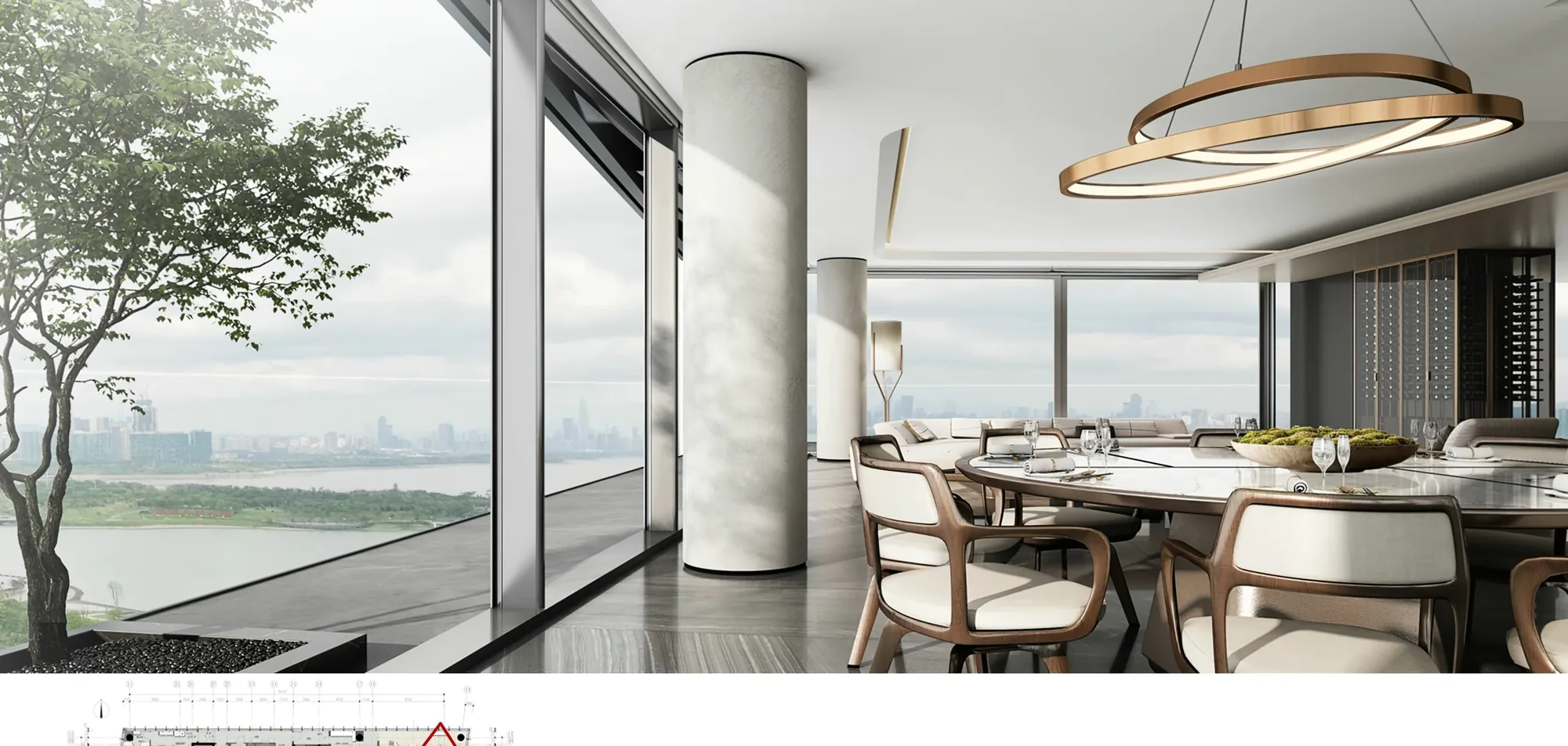
In this environment, Interior Restaurant Design Shanghai is no longer just about visual impact or trend-driven aesthetics. It is about creating spaces that endure—restaurants that remain emotionally relevant, operationally efficient, and commercially successful long after trends fade. At our firm, we believe timelessness is the true luxury in hospitality design.
Shanghai’s F&B Landscape: Fast, Competitive, and Experience-Driven
Shanghai’s dining culture is shaped by global influence and local refinement. Consumers here are highly design-aware, digitally connected, and experience-oriented. A restaurant is not just a place to eat—it is a social statement, a lifestyle expression, and often a content moment.
A Highly Competitive Dining Market
In areas like The Bund and Jing’an, restaurants compete not only on cuisine but on atmosphere, branding, and emotional storytelling. The lifespan of design trends in such a market is short, making differentiation both essential and challenging.
Lifestyle-Driven Consumer Behavior
Shanghai diners value:
- Aesthetic dining environments
- Instagram-ready spatial moments
- Curated brand experiences
- Comfort balanced with sophistication
This has made Interior Restaurant Design Shanghai a critical factor in commercial success, not just a supporting element.
Social Dining Culture
Dining in Shanghai is deeply social—business meetings, family gatherings, and lifestyle-driven meetups all happen in restaurants. Spaces must therefore be adaptable, comfortable, and emotionally engaging.
Why Designing Beyond Trends Matters
In a city as fast-moving as Shanghai, trend-driven interiors may attract attention—but they rarely endure.
The Problem with Trend-Based Design
Trend-focused restaurants often face:
- Rapid visual aging
- High renovation costs
- Weak long-term brand identity
- Inconsistent guest experience over time
The Value of Timeless Design
Timeless restaurant interiors deliver:
- Long-term brand recognition
- Reduced renovation cycles
- Stronger emotional connection with guests
- Sustainable return on investment
At our firm, we approach Interior Restaurant Design Shanghai with a long-view philosophy—designing spaces that feel relevant today and remain compelling for years.
Designing Timeless Dining Experiences: Our Philosophy
Timelessness is not minimalism or simplicity alone—it is a careful orchestration of space, material, and emotion.
Spatial Clarity and Proportion
A well-designed restaurant begins with spatial intelligence:
- Clear zoning between dining, bar, and circulation areas
- Balanced table spacing for comfort and efficiency
- Proportional harmony that avoids visual clutter
This ensures guests feel naturally guided through the space.
Circulation Flow and Experience Journey
Movement defines experience. We design dining journeys that feel intuitive:
- Smooth entry transitions that create first impressions
- Gradual spatial unfolding from public to intimate zones
- Logical service pathways for operational efficiency
Seating and Human Comfort
Comfort drives dwell time. Seating layouts are designed to:
- Encourage conversation
- Support different group sizes
- Balance intimacy and openness
Atmosphere Through Light, Material, and Sound
A timeless restaurant is defined by how it feels—not just how it looks.
Lighting as Emotional Architecture
Lighting sets the mood in every dining environment:
- Warm ambient lighting for intimacy
- Accent lighting for culinary highlights
- Layered lighting for spatial depth
Material Authenticity
We prioritize materials that age gracefully:
- Natural stone
- Solid wood
- Textured plaster
- Hand-finished metals
These materials create depth and authenticity—essential for Interior Restaurant Design Shanghai.
Acoustic Comfort
In high-density dining environments, sound control is essential:
- Soft surfaces reduce echo
- Strategic spatial zoning minimizes noise overlap
- Ceiling treatments enhance acoustic balance
Storytelling and Cultural Authenticity
Every restaurant has a narrative. In Shanghai, that story must resonate with both local culture and global audiences.
Translating Culinary Identity into Space
We design interiors that reflect:
- Culinary philosophy
- Brand positioning
- Target audience behavior
Whether it is modern Shanghainese cuisine or international fusion dining, the space becomes an extension of the menu.
Local Context, Global Language
Subtle cultural integration is key:
- References to Shanghai’s Art Deco heritage in the Bund area
- Contemporary interpretations of Jiangnan elegance
- Minimalist global design language balanced with local craftsmanship
This creates spaces that feel both rooted and refined.
Designing for Different Dining Typologies
Each hospitality format requires a tailored approach, yet all benefit from timeless principles.
Restaurants
Focus on structured dining flow, atmosphere, and brand storytelling.
Cafés
Emphasize flexibility, casual comfort, and social interaction.
Bars and Night Dining
Prioritize lighting drama, acoustics, and layered spatial experience.
Across all typologies, Interior Restaurant Design Shanghai must balance beauty with operational practicality.
Durability, Operations, and Long-Term Performance
A restaurant is a high-traffic environment. Design must support daily operations without compromise.
We focus on:
- Durable, easy-to-maintain materials
- Efficient BOH (back-of-house) circulation
- Service-friendly layouts
- Long-lasting finishes that age well
This ensures restaurants remain visually strong and operationally efficient over time.
Business Impact of Timeless Restaurant Design
Timeless design is not only aesthetic—it is strategic.
Well-designed restaurants in Shanghai experience:
- Stronger brand recognition in competitive districts
- Higher customer retention and repeat visits
- Increased dwell time and spending per table
- Greater long-term ROI through reduced refurbishment needs
In essence, design becomes a long-term business asset.
Conclusion: Creating Restaurants That Endure
In a city like Shanghai, where trends evolve at extraordinary speed, the most valuable design approach is not reinvention—but endurance.
At our firm, we specialize in Interior Restaurant Design Shanghai that goes beyond visual trends to create timeless, emotionally engaging, and operationally intelligent dining environments.
We design restaurants that do not simply attract attention—they build legacy. Spaces that remain relevant not for a season, but for years.
Because truly great restaurants are not defined by what is fashionable today, but by what continues to feel meaningful tomorrow.
Connect with us in