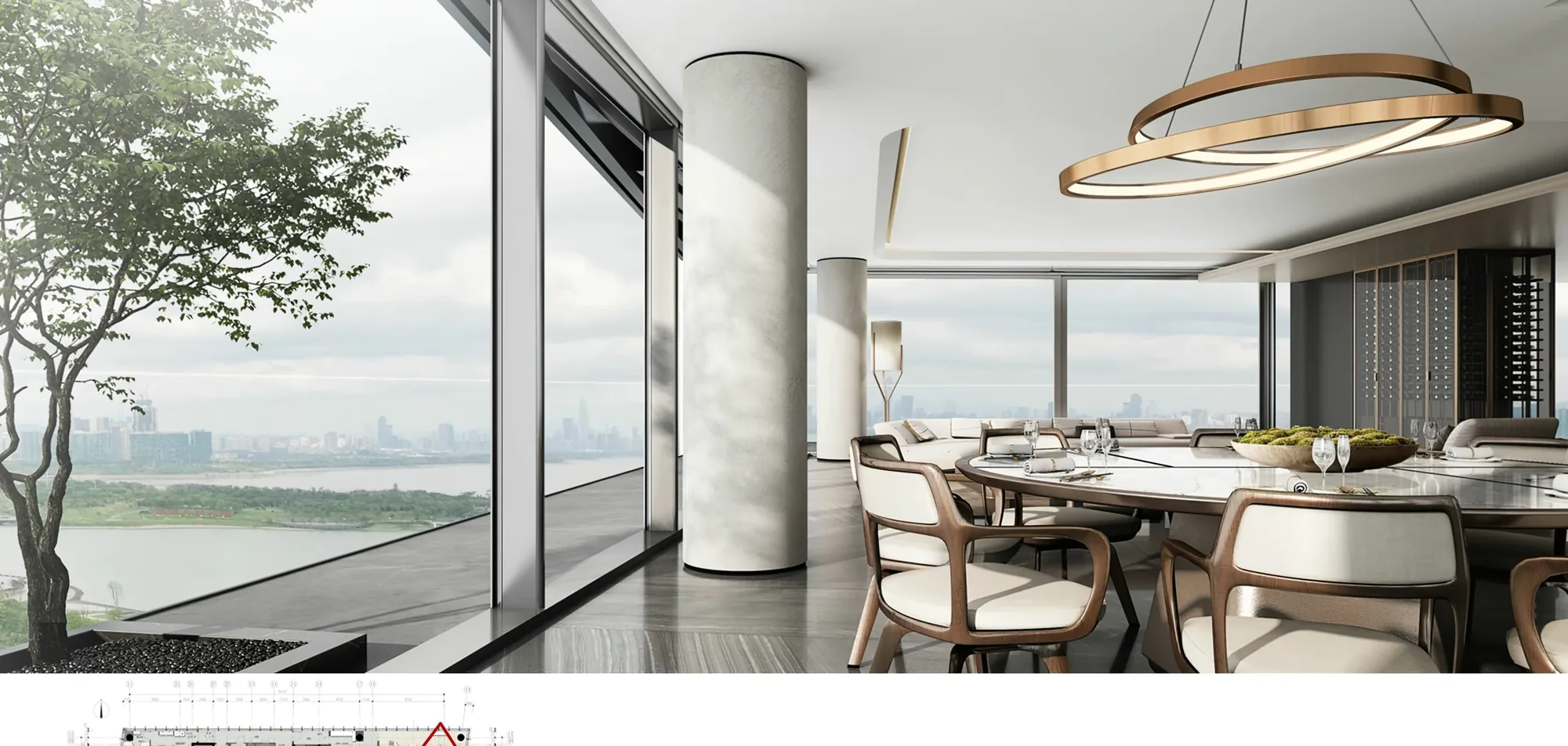
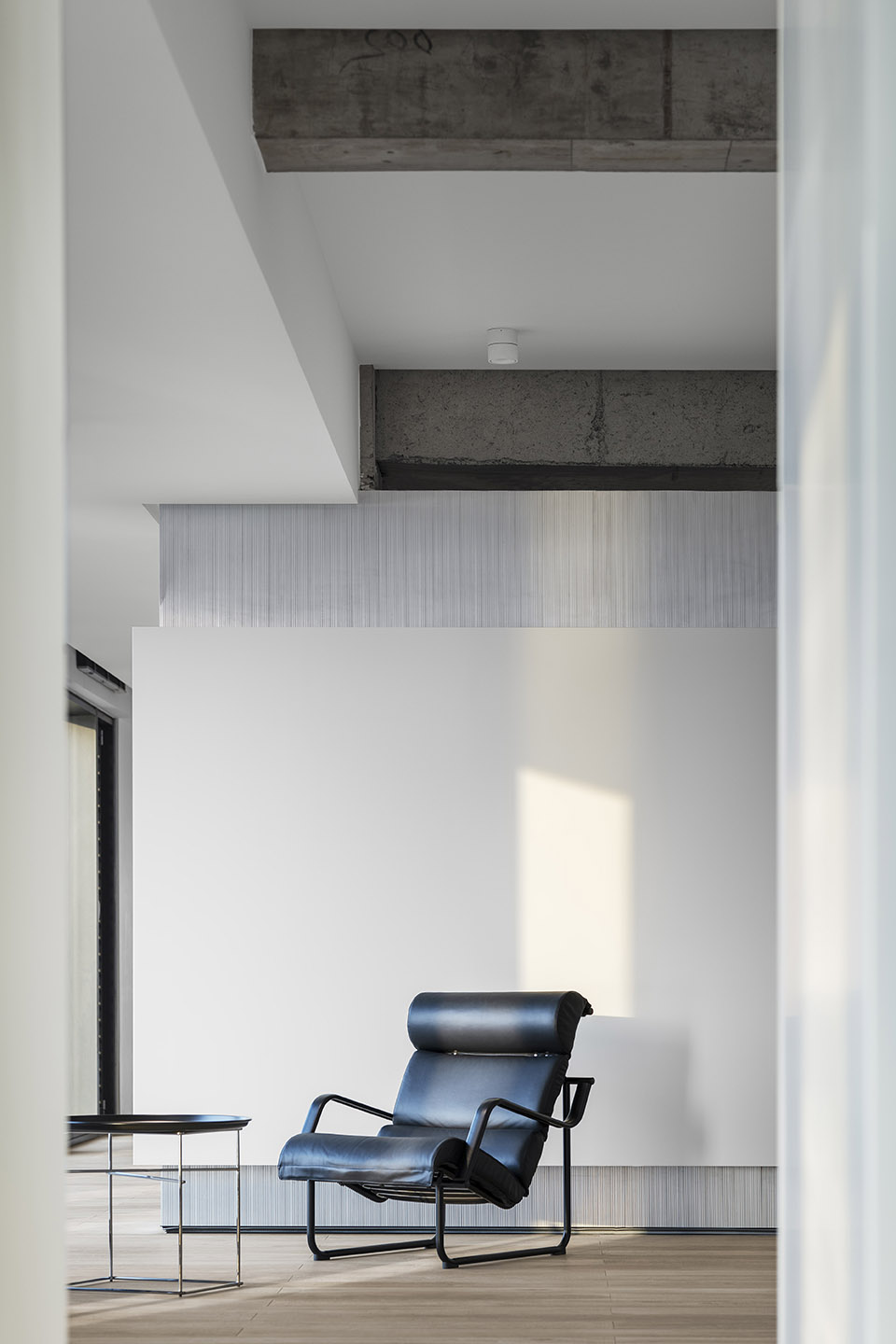
The Future of Shanghai Interior Design: Creating Human-Centered Office Spaces
As a creative interior designer with over two decades of experience, I’ve seen the evolution of workplace design—from rigid cubicles to open-plan layouts, from cold minimalism to warm, nature-infused environments. In Shanghai Interior Design , we’re now entering a new era where the focus is not just on aesthetics or efficiency, but on emotional well-being , human connection , and adaptive functionality .
From Xuhui’s innovation hubs to Pudong’s corporate towers , companies are rethinking what an office should be. It’s no longer just a place to work—it’s a space to thrive, collaborate, and feel inspired. Our firm has had the privilege of helping organizations across Shanghai shape interiors that reflect this shift, blending global trends with local cultural nuance.
“空间的设计,不只是为了好看,而是为了让人心安。”
— A space is designed not only to look good, but to make people feel at peace.
Biophilic Design: Bringing Nature Into the Urban Workplace
One of the most powerful trends shaping the future of Shanghai Interior Design is biophilic design—the intentional integration of natural elements into built environments.
In high-density areas like Jing’an and Hongkou , where concrete dominates the skyline, bringing in greenery isn’t just aesthetic—it’s essential. Indoor plants, living walls, and natural materials like wood and stone help reduce stress, improve air quality, and create a sense of calm within busy office settings.
We’ve incorporated hanging ivy gardens between meeting pods in tech startups, introduced potted bamboo in reception areas for a touch of elegance, and used moss panels as acoustic dividers—proving that nature can coexist beautifully with modernity.
“绿色不是装饰,而是疗愈。”
— Greenery isn’t decoration—it’s healing.
Flexible Layouts for Hybrid Work Models
The post-pandemic world has reshaped how we think about the office. No longer a fixed destination, it’s becoming a dynamic environment that supports both remote and in-person collaboration.
In our Shanghai Interior Design projects, we emphasize modular furniture, convertible zones, and smart zoning strategies that allow spaces to adapt throughout the day. Think:
- Hot-desking stations with adjustable lighting
- Convertible meeting rooms with retractable glass partitions
- Lounge-style work pods that double as brainstorming corners
These flexible solutions are especially valuable in Lujiazui and Zhongshan Park , where multinational firms and agile startups alike are reimagining their real estate to attract talent and foster creativity.
Emotional Intelligence in Office Color Schemes
Color plays a quiet but powerful role in shaping human emotion and behavior. As part of our approach to future-forward Shanghai Interior Design , we’re moving away from stark whites and grays toward more emotionally intelligent palettes.
For example:
- Warm terracotta tones in break rooms to encourage relaxation
- Soothing blues in focus zones to enhance concentration
- Earthy greens in collaborative areas to promote calm and creativity
These choices aren’t random—they’re based on color psychology and tailored to the needs of each team and brand.
“颜色是一种无声的语言,它能影响心情、效率和连接。”
— Color is a silent language that affects mood, productivity, and connection.
Tech-Integrated, Yet Human-Centric Environments
Technology will always play a key role in modern offices, but the future of Shanghai Interior Design lies in balancing digital tools with human comfort.
We integrate smart lighting systems that adjust based on time of day, motion sensors that optimize energy use, and soundproof booths for private calls—without sacrificing warmth or hospitality. The goal is to create spaces where technology supports, rather than overwhelms, the human experience.
Cultural Sensitivity in Workspace Design
Shanghai is a city of contrasts—where tradition meets innovation, and East meets West. In our Interior Design Shanghai practice, we honor this duality by incorporating subtle cultural cues into contemporary spaces.
From lattice-inspired partition screens to minimalist ink art accents on glass walls, these details add depth without feeling forced. They speak to local heritage while aligning with modern business values.
This sensitivity is especially appreciated in sectors like finance, law, and luxury retail, where respect for tradition often coexists with a drive for progress.
Sustainability as a Core Design Principle
Sustainability isn’t just a buzzword—it’s a responsibility. In every Shanghai Interior Design project, we prioritize eco-conscious materials, energy-efficient lighting, and low-waste construction practices.
We also advocate for adaptive reuse—transforming old office structures into fresh, functional spaces instead of demolishing them. This approach reduces environmental impact and adds character to the final design.
Business Districts Leading the Way in Office Innovation
If you’re planning a workplace transformation in Shanghai, consider these key districts known for progressive office design:
- Pudong : Home to global corporations and cutting-edge tech firms.
- Xuhui Binjiang : A growing innovation zone with lifestyle-oriented office campuses.
- Jing’an : Popular among creative agencies and international brands.
- Hongkou : Known for its mix of traditional industries and startup culture.
Each offers unique opportunities for forward-thinking Shanghai Interior Design that responds to both local context and global trends.
Final Thoughts: Designing for the Future of Work
The future of office design isn’t about chasing trends—it’s about designing for people. Whether it’s through biophilic touches, flexible layouts, or culturally rooted aesthetics, our firm believes that great Shanghai Interior Design creates environments where employees feel valued, connected, and inspired.
Let’s build more than desks. Let’s build purpose.
“最好的办公室,是让人忘记自己在工作的地方。”
— The best office is one where you forget you’re even working.
We Design & Deliver Office With Focusing On People
Follow us on social media, we post good stuff