- 179
Interior Design Shanghai: Designing Future-Ready Workplaces for Gen Z Talent
Shanghai is not just China’s financial powerhouse—it is one of the world’s most competitive talent cities. From Lujiazui’s corporate towers to the creative districts of Xintiandi and West Bund, companies are competing not only for market share, but for people—especially Gen Z talent who are reshaping how work is defined.
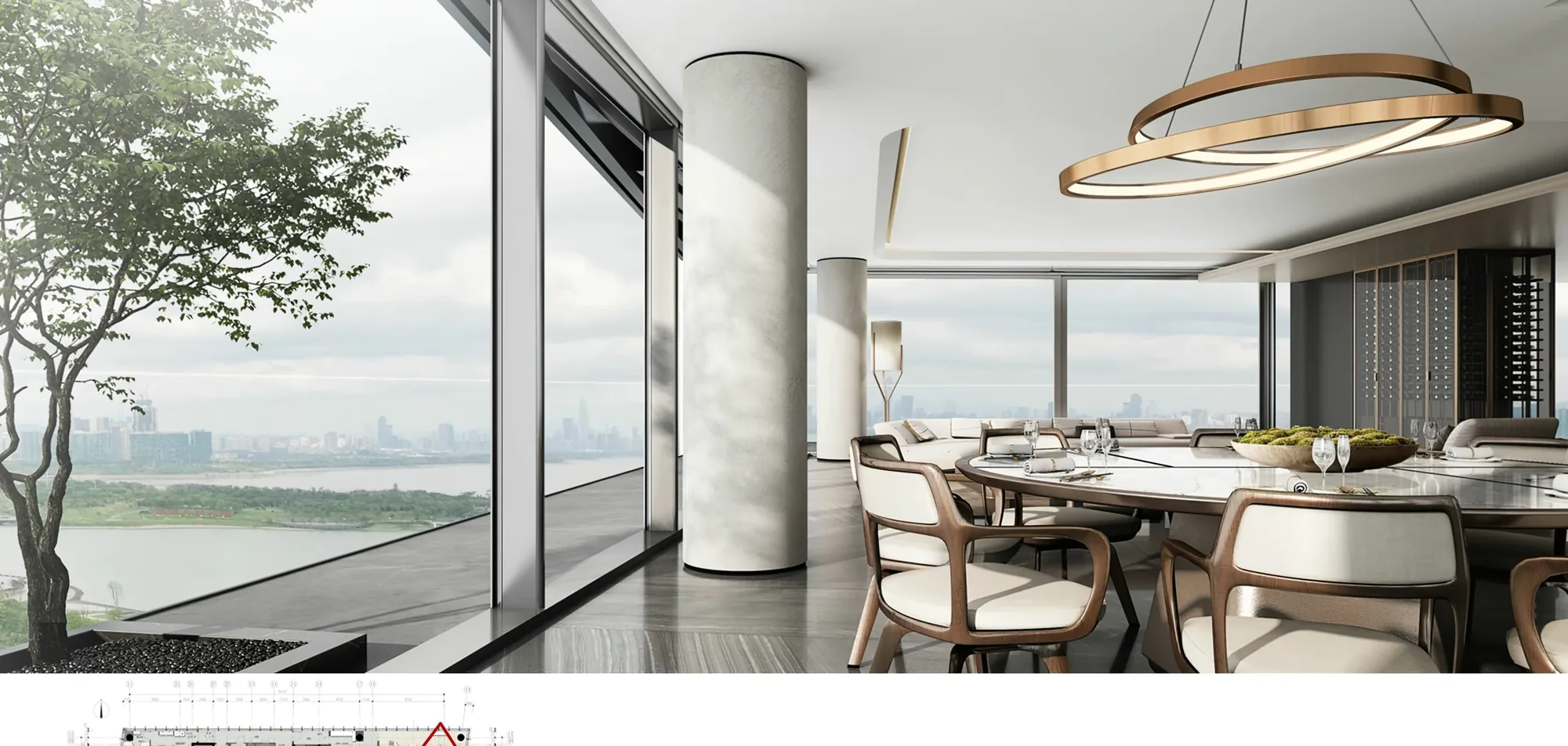
In this context, interior Design Shanghai is no longer about fixed desks and hierarchical office layouts. It is about designing adaptive, experience-driven workplaces that attract, inspire, and retain a new generation of employees who value flexibility, identity, and wellbeing as much as salary.
Gen Z doesn’t ask “Where do I work?”
They ask: “Why should I work here?” — 这里值不值得留下来?
Why Traditional Offices No Longer Work in Shanghai
The old office model—assigned seating, rigid departments, isolated meeting rooms—was built for predictability. But Shanghai’s modern workforce is anything but predictable.
Today’s Gen Z workforce in China expects:
- 灵活工作方式 (flexible working styles)
- 高度协作环境 (highly collaborative environments)
- 社交与独立平衡 (balance between social and focus work)
- 有体验感的办公空间 (experience-driven workplaces)
In fast-paced business hubs like Pudong and Jing’an, traditional offices feel increasingly disconnected from how people actually work.
As a result, companies are shifting toward Activity-Based Working (ABW) and co-working-inspired environments that support multiple work modes throughout the day.
The Shift to Activity-Based Working (ABW)
Modern interior Design Shanghai strategies are built around ABW principles—where employees choose spaces based on tasks rather than assigned desks.
A well-designed ABW workplace includes:
- 专注区 (Focus zones) for deep work
- 协作区 (Collaboration spaces) for teamwork
- 社交空间 (Social hubs) for interaction
- 安静区 (Quiet pods) for reflection
This approach reflects Gen Z behavior: fluid, mobile, and experience-oriented.
In districts like Huangpu and Yangpu, where tech and creative industries dominate, ABW is becoming essential for innovation-driven companies.
Designing for Gen Z: Beyond Space, Toward Experience
Gen Z employees are not just working—they are experiencing the workplace.
They value:
- Visual identity and aesthetics (拍照打卡空间)
- Emotional comfort and wellbeing
- Technology-enabled convenience
- A strong sense of belonging
This is where interior design becomes powerful. A workplace is no longer just functional—it is cultural, emotional, and digital at the same time.
In Shanghai, where global and local cultures blend (中西融合), design must reflect both international sophistication and local identity.
Flexible Zoning: The New Workplace Language
In modern interior Design Shanghai, flexibility is the foundation of spatial planning.
Instead of fixed layouts, we design:
- 可移动家具系统 (modular furniture systems)
- 可变会议空间 (reconfigurable meeting areas)
- 多功能开放区域 (multi-purpose open zones)
This allows offices to evolve throughout the day:
Morning focus → Afternoon collaboration → Evening social interaction
In high-density office districts like Lujiazui, where space efficiency is critical, flexibility directly impacts performance.
Technology Integration: Smart Workplaces for Smart Talent
Gen Z expects seamless digital integration. Offices must support hybrid workflows and instant connectivity.
Modern workplace design includes:
- 智能会议系统 (smart meeting systems)
- 空间使用数据分析 (space analytics)
- 无缝远程协作工具 (hybrid collaboration tools)
Technology is not just an add-on—it is embedded into the architecture of interior Design Shanghai projects.
Wellbeing and Sustainability: The New Non-Negotiables
Gen Z prioritizes mental and physical wellbeing more than any previous generation.
Workplaces in Shanghai now integrate:
- 自然采光优化 (natural daylight strategies)
- 绿色植物系统 (biophilic design elements)
- 空气质量与舒适控制 (air quality and thermal comfort)
- 低碳环保材料 (sustainable materials)
In districts like Xuhui and West Bund, sustainability is also aligned with corporate ESG goals and brand positioning.
A healthy workspace is no longer a luxury—it is expected.
Brand-Led Spatial Experience
In competitive industries such as finance, tech, and creative services, office design is a brand statement.
A strong workplace reflects:
- Company culture
- Innovation mindset
- Talent ambition
Through storytelling, material selection, lighting, and layout, we transform workplaces into physical brand experiences.
For Gen Z, this matters deeply—空间就是品牌语言 (space is brand language).
This is a defining principle of modern interior Design Shanghai.
Localization: Designing for Shanghai’s Work Culture
Shanghai’s workplace culture is unique:
- Fast-paced business environment
- Strong competition for talent
- Hybrid international-local workforce
- High expectations for design quality
This requires a balanced approach:
- Global workplace strategy frameworks
- Local cultural sensitivity
- Regulatory compliance in China
- Adaptation to urban density and cost efficiency
In essence, design must feel both world-class and locally grounded—国际化,同时有上海的气质.
Our Role: From Strategy to Turnkey Delivery
As a global design and build partner, our firm delivers end-to-end workplace solutions:
Workplace Strategy
Understanding business goals, workforce behavior, and future needs.
Concept Design
Translating culture and brand identity into spatial narratives.
Technical Design & Fit-Out
Ensuring precision, compliance, and buildability.
Turnkey Delivery
Managing full execution from design to completion.
We don’t just design offices—we create high-performance ecosystems tailored to Gen Z and future workforce demands.
Who We Design For
Our interior Design Shanghai services support:
- Multinational corporations
- Fast-growing tech companies
- Creative agencies
- Real estate developers
- Innovation hubs and co-working operators
Each project is designed to improve:
- Talent attraction
- Employee retention
- Collaboration efficiency
- Brand perception
Conclusion: The Future of Work in Shanghai
The future workplace is not static—it is adaptive, intelligent, and human-centered.
In Shanghai’s evolving business landscape, companies that invest in experience-driven environments will lead in attracting Gen Z talent and building resilient organizations.
Through interior Design Shanghai, our firm creates workplaces that are not only functional—but meaningful, flexible, and future-ready.
Because the best offices are not just places to work.
They are places where people choose to stay, grow, and belong.
Connect with us in