- 209
Interior Design Shanghai | Premium Commercial & Residential Design Firm
Shanghai is a city that constantly reinvents itself. Towering skylines in Lujiazui, creative hubs in Xintiandi, heritage Shikumen neighborhoods, and luxury residences along the Huangpu River all reflect a city where tradition and innovation coexist beautifully.Interior Design Shanghai
In such a dynamic urban environment, interior design Shanghai plays a powerful role in shaping how people live, work, and connect. Spaces are no longer static containers; they are experiences that influence productivity, wellbeing, and identity.
From our professional perspective as designers who craft emotional, people-centric environments, great design is not only about aesthetics—it is about understanding human behavior and translating it into spatial harmony. When thoughtfully executed, interior design transforms ordinary spaces into environments that elevate everyday life.
Shanghai’s Urban Landscape and Design Opportunities
Shanghai’s urban fabric is a fascinating blend of density, culture, and global business energy.
The city’s economic strength—driven by finance, technology, international trade, and creative industries—has created diverse demand for high-quality interior environments. Districts such as Pudong, Jing’an, and Xuhui are home to modern office towers, luxury retail destinations, and mixed-use developments that combine residential, hospitality, and commercial functions.
Residential patterns are equally diverse. High-rise apartments dominate the skyline, while renovated Shikumen houses and luxury penthouses provide more exclusive living experiences. Mixed-use developments—an urban model gaining momentum globally—have become particularly important in Shanghai, blending living, working, shopping, and leisure within walkable districts.
Climate also shapes interior strategies. Shanghai’s humid subtropical weather encourages interiors that prioritize airflow, natural materials, and balanced lighting conditions to maintain comfort year-round.
Culturally, residents value refinement and balance—what many describe as “讲究品质” (jiǎngjiù pǐnzhì), meaning an appreciation for quality and thoughtful details.
How Premium Interior Design Elevates Spaces
Professional interior design Shanghai must balance creativity with strategic thinking. Every successful space begins with a deep understanding of purpose and people.
Designers evaluate several critical factors:
-
Spatial planning that supports movement and functionality
-
Material selection that combines durability with visual richness
-
Lighting strategies that shape mood and productivity
-
Furniture integration that balances comfort and aesthetics
-
Cultural context that connects the space with its environment
When these elements align, interiors become more than visually appealing—they become environments that enhance how people experience daily life.
Designing Offices that Inspire Productivity
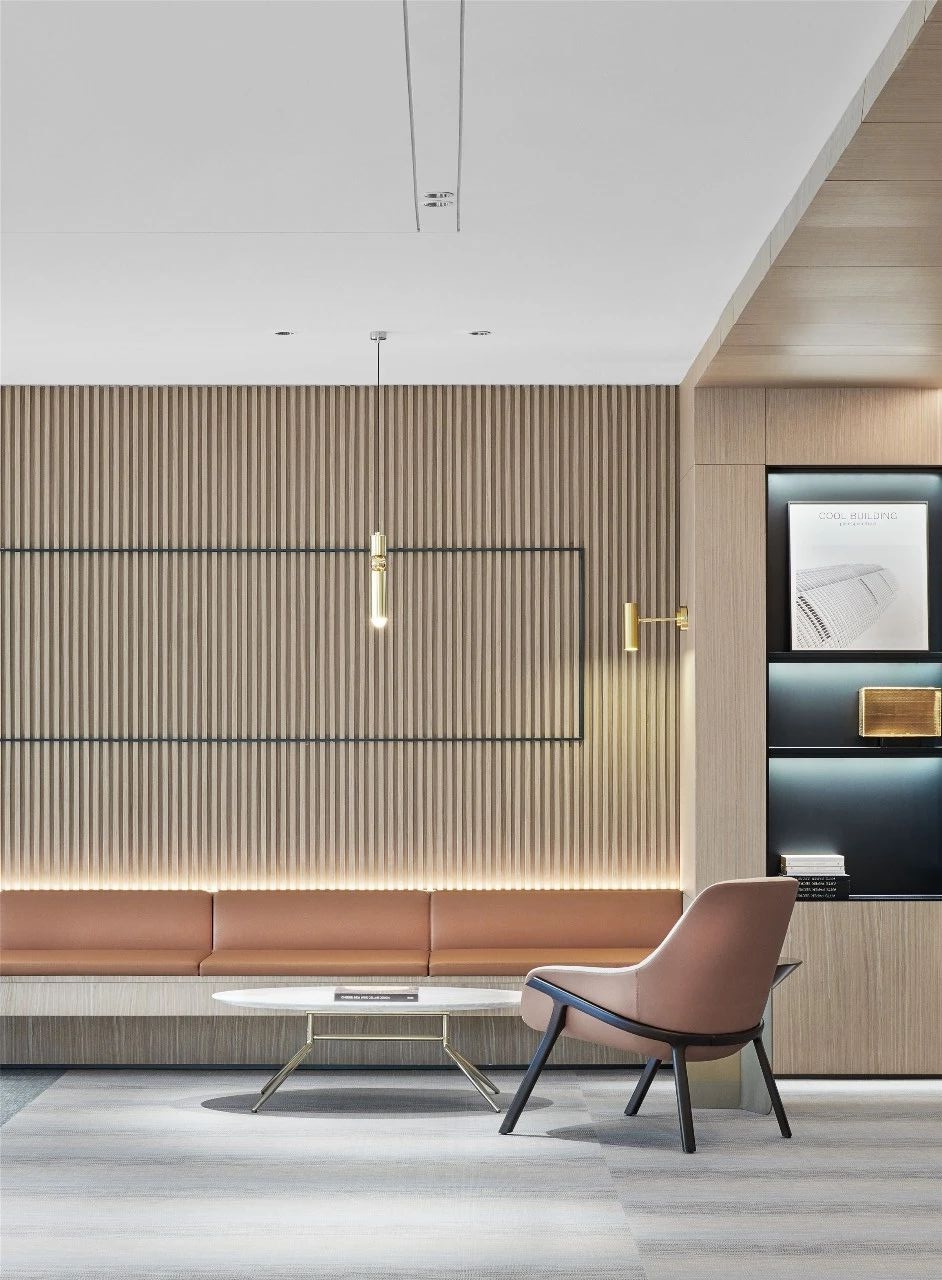
Shanghai’s thriving business districts host global headquarters, technology companies, financial institutions, and creative agencies. Modern workplaces must support collaboration, innovation, and employee wellbeing.
Office environments today are evolving toward flexible layouts and hospitality-inspired experiences.
In successful workplace projects, designers focus on:
Flexible Work Zones
Spaces for individual concentration, collaborative teamwork, and informal meetings.
Human-Centered Comfort
Ergonomic furniture, acoustic planning, and balanced lighting ensure employees remain comfortable and productive.
Brand Identity Integration
Corporate culture and values are translated into visual storytelling within the office design.
In fast-paced districts like Lujiazui Financial Center or Jing’an Business District, companies increasingly view their offices as strategic tools for talent attraction and brand positioning.
A thoughtfully designed workplace communicates professionalism, creativity, and ambition.
Hospitality and Lifestyle Spaces that Tell Stories
Shanghai is also one of Asia’s most exciting hospitality destinations. Luxury hotels, lifestyle restaurants, rooftop bars, and boutique cafés compete to deliver memorable guest experiences.
Hospitality interiors must evoke emotion and atmosphere.
Great hospitality design often incorporates:
-
Layered lighting that shifts throughout the day
-
Textures that create warmth and tactile interest
-
Cultural storytelling inspired by Shanghai’s heritage
For example, a contemporary restaurant may reinterpret traditional Chinese materials such as dark timber or ceramic textures within a minimalist modern setting.
Guests entering these spaces should immediately feel “有感觉” (yǒu gǎnjué)—a Chinese expression meaning the place has a special atmosphere.
That emotional connection is what makes hospitality environments successful.
Experiential Retail in a Competitive Market
Retail in Shanghai is among the most sophisticated in the world. Areas such as Nanjing Road, Huaihai Road, and IFC Mall showcase flagship stores where brands compete through immersive experiences rather than simple product displays.
Interior design plays a key role in shaping customer journeys.
Experiential retail environments often focus on:
-
Clear circulation paths guiding visitors naturally through the store
-
Visual focal points highlighting key products
-
Lighting strategies that emphasize texture and color
-
Digital integration for interactive brand storytelling
These environments transform shopping into an experience rather than a transaction.
Residential Design: Creating Personal Sanctuaries
While Shanghai’s public spaces are energetic and vibrant, homes are expected to offer calm and comfort.
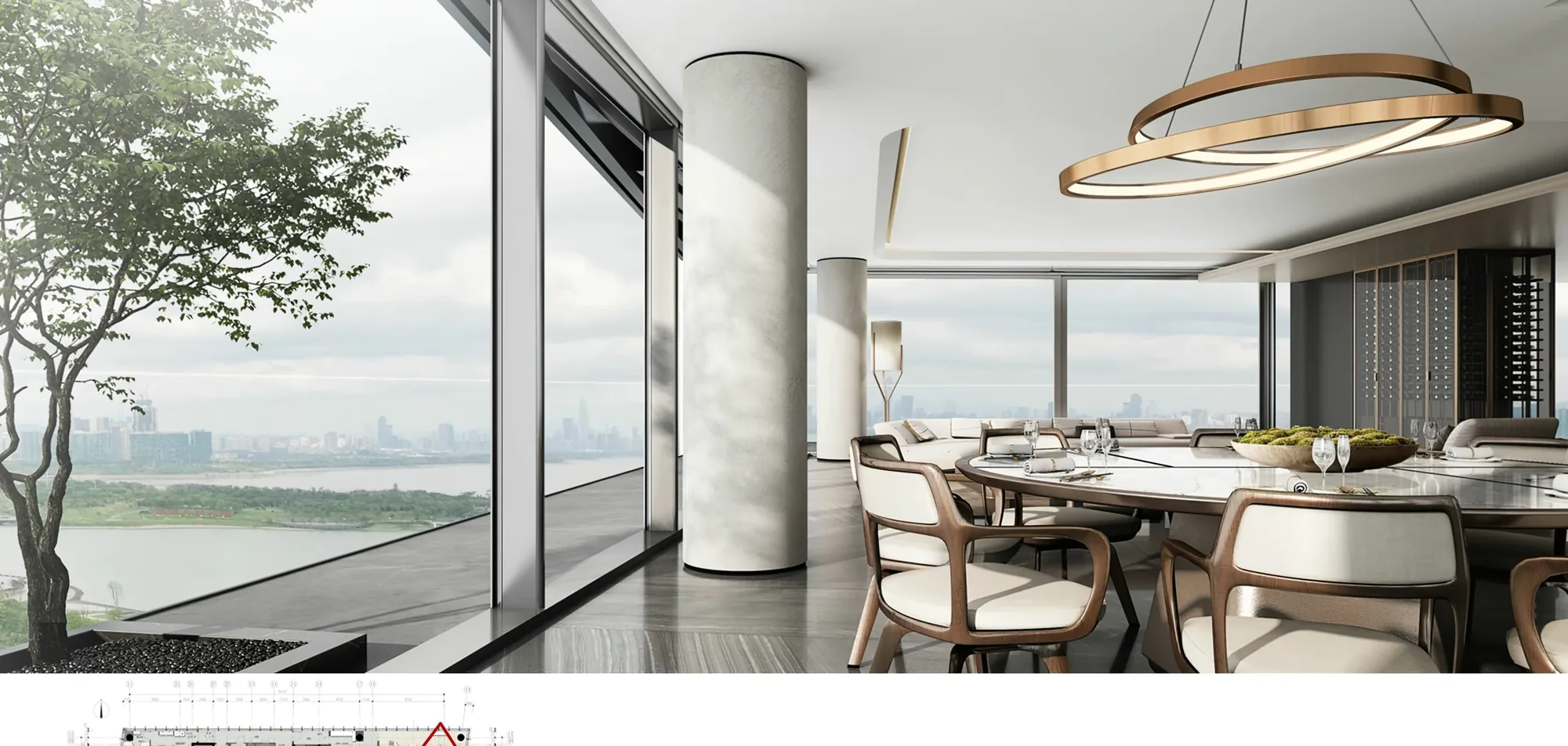
Residential interior design Shanghai must reflect both the lifestyle and the spatial constraints of urban living.
In high-rise apartments and luxury penthouses, designers often focus on:
Efficient Spatial Planning
Maximizing storage and functionality while maintaining openness.
Natural Light and Views
Framing skyline or river views becomes a key design feature.
Material Harmony
Neutral palettes paired with refined textures create tranquil environments.
Luxury residences in districts like Xuhui, Former French Concession, or Pudong Riverside often blend contemporary design with subtle references to Chinese culture.
This approach ensures the home feels modern while remaining rooted in local identity.
Mixed-Use Developments and Integrated Living
A growing trend influencing interior design Shanghai is the rise of mixed-use developments.
These projects combine residential apartments, offices, retail spaces, and hospitality within a single urban ecosystem.
From a design perspective, mixed-use environments require cohesive strategies that maintain identity across different functions while ensuring each space operates efficiently.
Designers must carefully consider:
-
Circulation and accessibility between spaces
-
Consistent visual identity across public areas
-
Comfort and privacy for residential zones
When executed well, mixed-use environments create vibrant communities where people can live, work, and socialize within the same district.
Our Firm’s Strategic Design Process
Delivering premium interiors requires a structured yet creative process.
Our firm approaches every project with a commitment to collaboration and precision.
The process typically includes:
Consultation and Discovery
Understanding the client’s goals, lifestyle, or brand identity.
Concept Development
Creating a design narrative that defines the visual and emotional direction.
Spatial Planning
Designing layouts that optimize functionality and movement.
3D Visualization
Helping clients experience the space before construction begins.
Material Curation
Selecting finishes, furniture, and textures that bring the concept to life.
Construction Coordination
Working closely with architects, contractors, and engineers to ensure design quality.
Final Styling and Delivery
Completing the space with carefully curated details.
This holistic approach ensures every environment is both beautiful and operationally effective.
Designing Spaces that Shape the Future of Shanghai
Shanghai continues to evolve as one of the world’s most influential cities—an intersection of global business, culture, and innovation.
Within this dynamic landscape, thoughtful interior design Shanghai plays an essential role in shaping the environments where people live, work, and interact.
Great design goes beyond decoration. It supports productivity in workplaces, creates memorable experiences in hospitality and retail, and transforms homes into peaceful sanctuaries.
At our firm, we believe every project should reflect the identity of the people who use it while honoring the spirit of the city around it.
Because when design combines functionality, elegance, and human understanding, spaces become more than interiors—they become experiences that enrich everyday life in Shanghai.
Connect with us in