- 289
Interior Design Shanghai | From Destinations to Living Environments
Hospitality design is entering a new era. Interior Design Shanghai
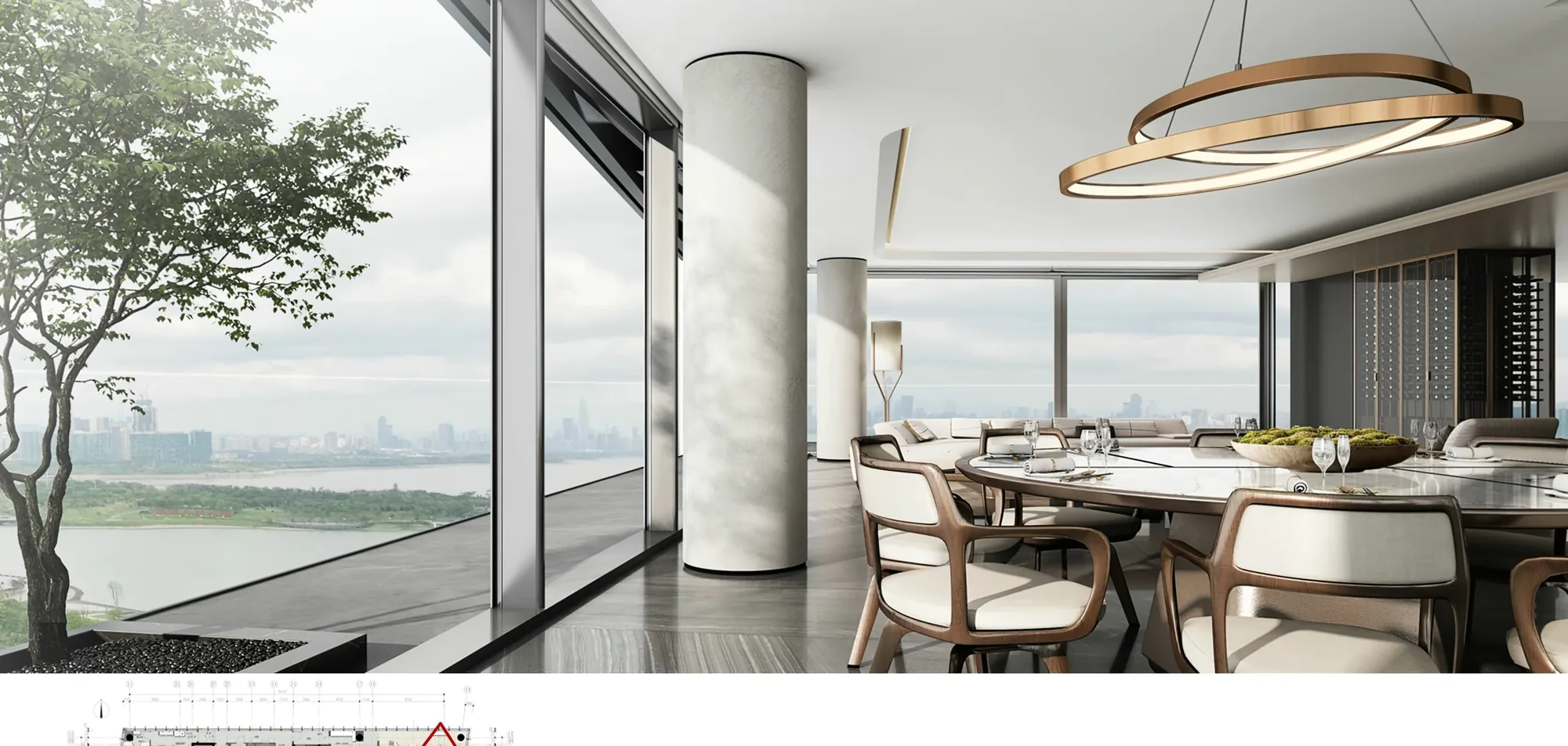
In 2026, hotels and lifestyle spaces are no longer defined simply by accommodation or visual luxury. They are becoming immersive living environments—places where people work, socialize, recharge, connect, and experience belonging. The boundaries between hospitality, residential, workplace, and cultural environments are dissolving, creating a new generation of spaces shaped not only by aesthetics, but by emotion and human experience.
Travelers today seek more than destinations. They seek atmosphere. Flexibility. Wellness. Meaningful interaction. A sense of calm within increasingly fast-paced urban lives.
At our firm, we see this shift as one of the most exciting evolutions in hospitality design. Through thoughtful interior Design Shanghai, we create environments that move beyond traditional hospitality models to become living ecosystems—spaces where architecture, sensory experience, and human behavior exist in harmony.
In a city like Shanghai, where global business culture, creative innovation, and lifestyle-driven development intersect, this transformation is especially visible. From the energy of Lujiazui’s financial district to the creative pulse of Jing’an and Xintiandi, hospitality spaces are evolving to reflect a more fluid way of living and working.
生活方式正在改变 — lifestyles are changing, and hospitality must evolve with them.
The Shift from Destination to Living Environment
The traditional hospitality model centered on temporary stay and transactional service. Today, hospitality spaces must support a much broader emotional and functional experience.
Hotels are increasingly becoming:
- Social gathering spaces
- Coworking environments
- Wellness retreats
- Cultural destinations
- Lifestyle communities
Guests may check into a hotel for business, but they also expect opportunities to work comfortably, socialize naturally, and recharge emotionally within the same environment.
This shift has transformed hospitality from a place people visit into a place people temporarily live. Successful environments now feel flexible, immersive, and deeply human-centered.
In Shanghai’s mixed-use developments and luxury lifestyle districts, this evolution is shaping how hospitality environments are designed—from boutique hotels integrated with cafés and galleries to branded residences that blur the line between home and hotel.
Hospitality Design in the Experience Economy
Luxury alone is no longer enough.
Modern travelers increasingly value:
- Emotional connection
- Authentic atmosphere
- Personalized experience
- Cultural relevance
- Sensory engagement
This is the essence of the experience economy. Hospitality spaces today must create memories, not just visual impressions.
At our firm, we approach design through storytelling and atmosphere. Every spatial decision—from lighting and materiality to movement and sound—shapes how guests emotionally experience a space.
In interior Design Shanghai, this means creating environments that feel globally refined while remaining culturally grounded. A luxury hotel lounge should not simply look sophisticated; it should feel intimate, calming, and naturally connected to the rhythm of the city around it.
Design becomes less about decoration and more about emotional resonance.
The Blurring of Hospitality, Residential & Workplace Design
One of the defining characteristics of modern hospitality is the merging of typologies.
Hospitality environments increasingly borrow from:
- Residential warmth and comfort
- Workplace flexibility and productivity
- Lifestyle-driven social experiences
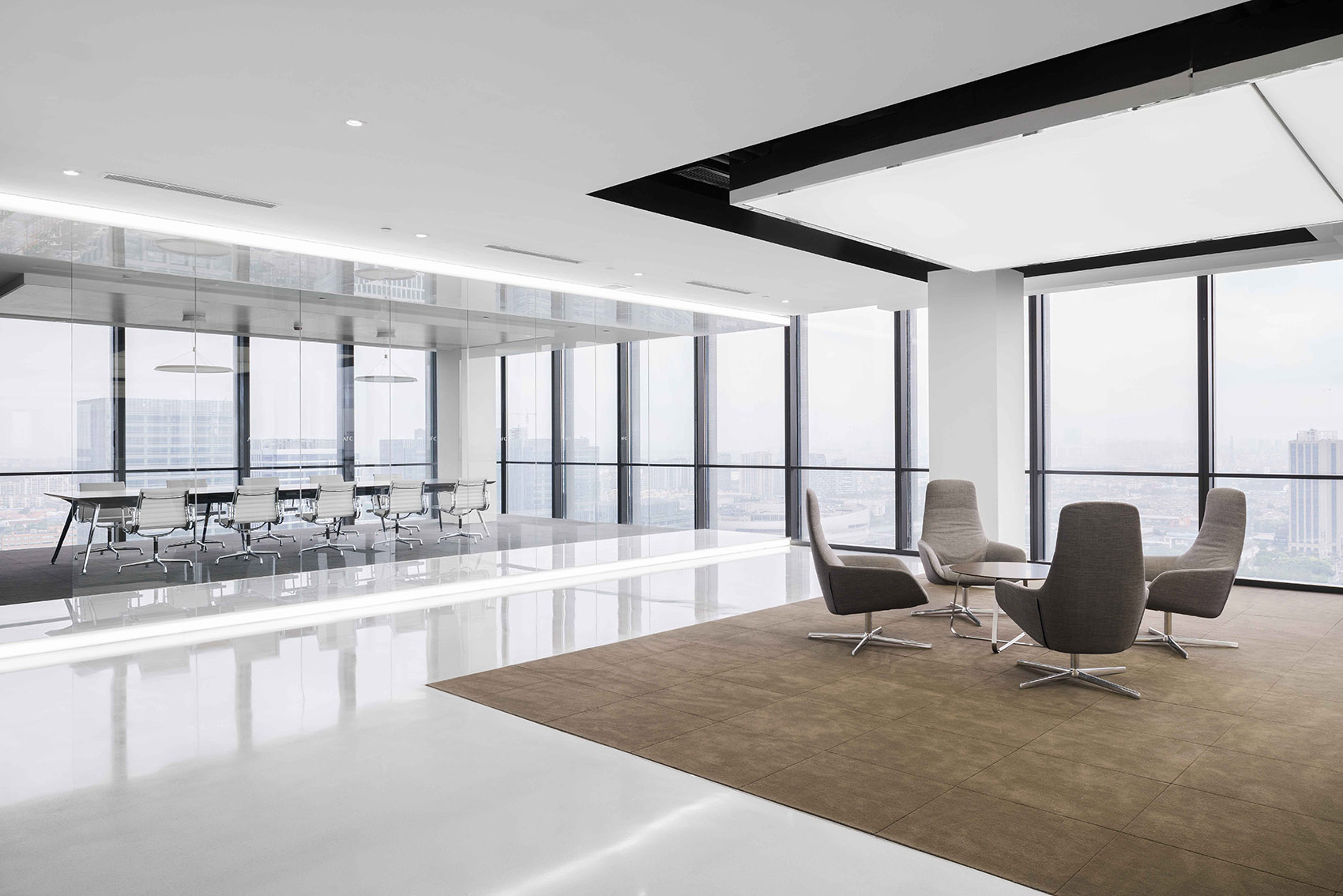
Likewise, offices now incorporate hospitality-inspired lounges, while branded residences adopt hotel-level amenities and service experiences.
This blending reflects how modern lifestyles have become more fluid. People no longer separate work, leisure, and social life as rigidly as before.
In Shanghai, where hybrid work culture continues to influence urban living, hospitality spaces must support multiple modes of experience simultaneously:
- Quiet individual work
- Informal social interaction
- Wellness and retreat
- Dining and entertainment
The future belongs to multifunctional environments that feel intuitive rather than compartmentalized.
Designing for Wellness & Human Connection
Wellness is no longer an added feature in hospitality—it is central to the guest experience.
Today’s hospitality environments must actively support emotional restoration and mental wellbeing through:
- Natural light and ventilation
- Biophilic design principles
- Greenery and calming visual textures
- Acoustic comfort
- Tactile, natural materials
- Spaces that encourage meaningful social interaction
Guests increasingly seek environments that feel restorative amidst urban intensity.
In Shanghai’s dense metropolitan context, these wellness-driven strategies become even more important. Hospitality spaces must create moments of pause and softness within fast-moving urban life.
A thoughtfully designed environment can subtly reduce stress, improve comfort, and create a deeper sense of belonging—让人放松下来.
Technology & the Future Guest Experience
Technology is reshaping hospitality, but the challenge is ensuring it enhances—not replaces—human experience.
The future of hospitality design integrates:
- Smart room systems
- AI-driven personalization
- Seamless digital check-in experiences
- Adaptive environmental controls
- Data-informed operational strategies
However, technology should remain invisible and intuitive.
At our firm, we believe the best hospitality technology feels effortless. It supports comfort and convenience while preserving warmth, atmosphere, and emotional connection.
In premium interior Design Shanghai projects, this balance between digital sophistication and human-centered design is increasingly essential as guest expectations evolve rapidly.
Designing Hospitality Spaces in Shanghai
Shanghai’s hospitality landscape is uniquely dynamic—globally connected, culturally layered, and intensely competitive.
Designing successful hospitality environments here requires responding to:
- High-density urban conditions
- International business travel
- Lifestyle-oriented tourism
- Mixed-use development culture
- Sophisticated local and global audiences
Luxury hospitality in Shanghai increasingly favors:
- Compact yet immersive spatial experiences
- Multifunctional social environments
- Curated cultural storytelling
- Wellness-integrated design
- Refined, understated materiality
Districts like Jing’an and Xintiandi continue to drive lifestyle-led hospitality trends, while Lujiazui reflects a more business-oriented luxury environment. Each context demands a different emotional tone and spatial strategy.
Successful hospitality design here is never generic. It is deeply contextual, emotionally intelligent, and culturally aware.
Our Hospitality Design Approach
At our firm, hospitality design begins with understanding how people feel, move, and connect within a space.
Our process includes:
Concept Strategy
Defining the emotional and operational vision of the environment.
Guest Journey Mapping
Understanding transitions, touchpoints, and sensory experience.
Spatial Planning
Creating intuitive, flexible layouts that support modern hospitality behaviors.
Material & Lighting Curation
Shaping atmosphere through tactile finishes, layered light, and sensory warmth.
Operational Understanding
Balancing guest experience with long-term functionality and efficiency.
Execution
Delivering thoughtful environments with precision, consistency, and refinement.
Every project is approached holistically—because meaningful hospitality cannot be created through aesthetics alone.
Our Perspective
We believe hospitality is no longer about creating places people simply pass through.
It is about shaping environments where people feel connected—to themselves, to others, and to the culture around them.
Through future-focused interior Design Shanghai, our firm creates hospitality spaces where lifestyle, emotion, functionality, and cultural relevance intersect seamlessly.
The result is timeless hospitality design that feels immersive, human-centered, and deeply aligned with how people want to live today.
Let’s Redefine Hospitality Together
For hotel owners, developers, operators, and hospitality brands, the future of hospitality lies beyond conventional models.
The opportunity today is to create environments that are not only beautiful, but emotionally intelligent, adaptable, and experience-driven.
If you are ready to rethink hospitality in Shanghai through a more human-centered and future-focused lens, our firm is here to help shape that vision.
Together, we can create hospitality environments that inspire connection, elevate wellbeing, and redefine what modern hospitality can become.
Connect with us in