- 196
Interior Hotel Design in Shanghai: Crafting Timeless Luxury Spaces
Shanghai, a dynamic city known for its fusion of tradition and modernity, offers a vibrant hospitality scene. As a creative interior designer with over 20 years of experience, I’ve had the privilege of working on several iconic hotel projects in this remarkable city. Shanghai’s hospitality landscape is as diverse as its skyline—ranging from sleek luxury towers to culturally rich boutique hotels. But regardless of the type, one key factor unites them all: the desire for timeless luxury.Hotel Interior Design Shanghai
In this article, we explore why Interior Hotel Design in Shanghai is essential for creating unforgettable guest experiences and long-term commercial success. Whether it’s the city’s business-focused districts like the Lujiazui Financial Area or the artsy neighborhoods along the Bund, every hotel in Shanghai must blend high-end aesthetics with a functional, culturally aware design that meets both global standards and local expectations.
Why Timeless Luxury Matters in Shanghai’s Hotel Design
Shanghai’s rapid urban development, combined with its rich cultural heritage, makes it a city where design must not only look impressive but stand the test of time. In a city that never sleeps, where trends come and go, creating timeless luxury in hotel design ensures that a space remains relevant, appealing, and profitable long after the opening ceremony.
Timeless luxury isn’t just about opulence—it’s about creating environments that resonate emotionally with guests and offer enduring appeal. This approach to design is essential in a market as competitive as Shanghai, where hotels must differentiate themselves to capture the attention of both international travelers and local business elites.
What does timeless luxury mean in Shanghai? It’s about balancing elegance with practicality, selecting materials that evoke a sense of refinement while ensuring durability. It’s a design ethos that stays grounded in the principles of symmetry, proportion, and thoughtful detailing, allowing spaces to be beautiful and functional over the long term.
Hotels designed with timeless luxury principles enjoy stronger brand recognition, higher guest satisfaction, and ultimately, long-term return on investment. Guests return because they remember the feelings of peace and comfort experienced in these spaces, and brands benefit from the sustained appeal of a design that doesn’t feel outdated after just a few seasons.
Understanding Shanghai’s Unique Hospitality Landscape
Shanghai’s hotel market is diverse, serving an eclectic range of guests—from international tourists visiting for the World Expo or the city’s skyline views, to business professionals attending meetings in its commercial hubs. The city’s hotel segmentation reflects this range:
- Business Hotels: With Shanghai’s position as China’s financial hub, corporate travelers flock to business-oriented hotels in areas like Lujiazui and Nanjing Road. These hotels need to blend modernity with practicality, offering seamless technology and high-end comfort.
- Luxury Hotels: Areas like the Bund and Xintiandi are home to some of the world’s most luxurious hotels, where guests expect nothing short of exceptional service and design. For these spaces, timeless luxury must incorporate elements of opulence without feeling ostentatious.
- Boutique Hotels: Located in the French Concession and adjacent creative districts, boutique hotels in Shanghai focus on personalized service and artistic, cultural design. They require interior design solutions that speak to Shanghai’s rich history while reflecting its dynamic, contemporary energy.
In Shanghai, the design-forward hospitality scene requires designers to combine modern aesthetics with the latest technological advances. Hotels must also respect the city’s high-density urban environment and adapt to various local contexts, such as cultural influences and climatic conditions.
The Design Philosophy: Creating Emotional, People-Centric Environments
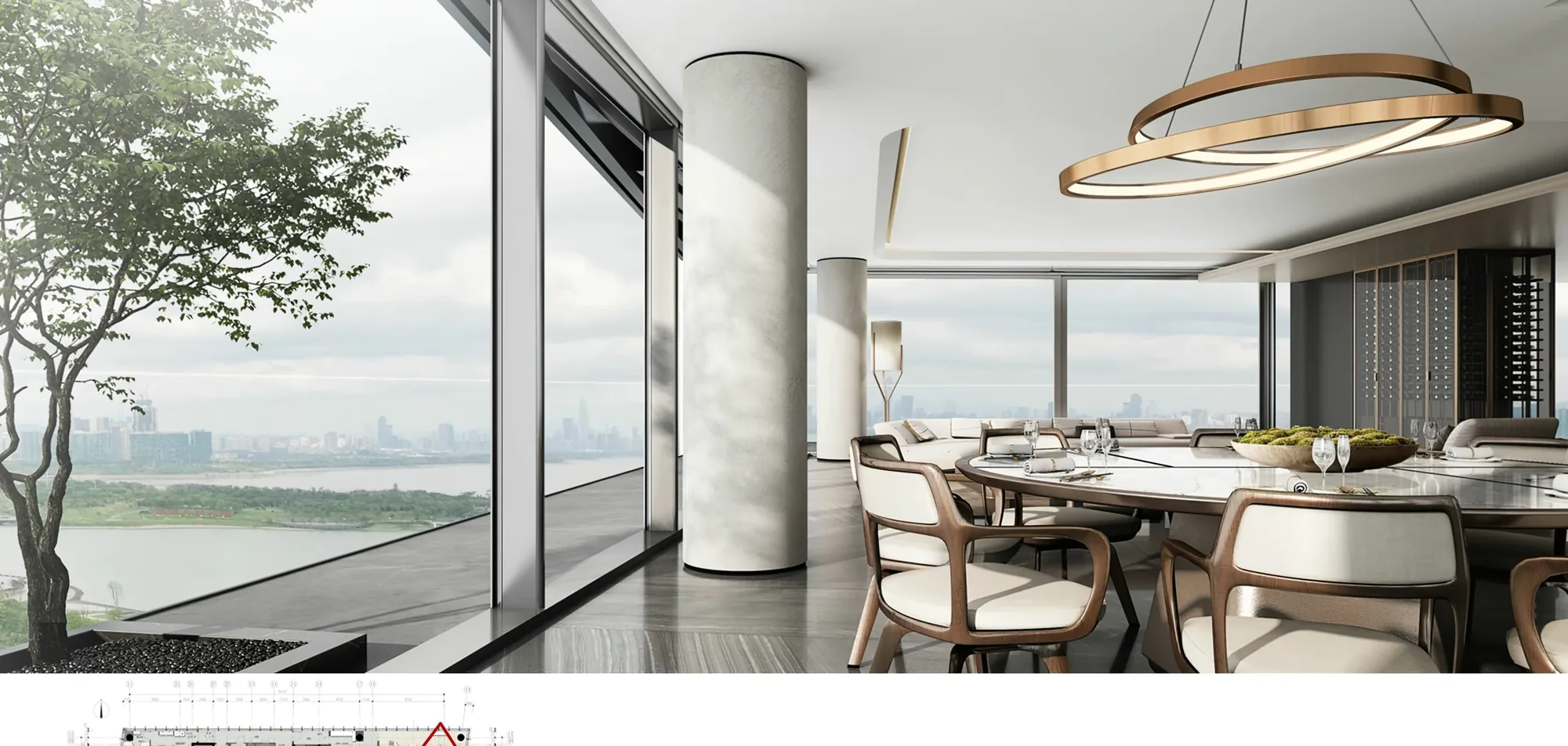
At our firm, we view hotel design as more than just the creation of beautiful spaces—it’s about shaping an emotional experience for the guests. From the moment a guest walks through the door, every detail must tell a story, contributing to their journey and memories. Whether it’s the welcoming glow of the lobby’s bespoke lighting design or the tactile richness of the guest room’s fabrics, these elements create a sense of belonging, comfort, and luxury.
Here’s how we approach Interior Hotel Design in Shanghai:
- Concept Development & Brand Storytelling: Every design project begins with a deep dive into the brand’s identity. For a hotel in Shanghai, this means understanding the balance between local cultural references (such as Chinese craftsmanship or art deco influences from Shanghai’s colonial past) and the global design trends that attract international travelers.
- Spatial Planning & Guest Journey: We pay special attention to how guests move through the space. Shanghai’s bustling environment means that flow is essential, and the design must ensure ease of movement while creating intimate, engaging spaces. The guest journey should feel seamless, from the lobby to the restaurant to the guest room.
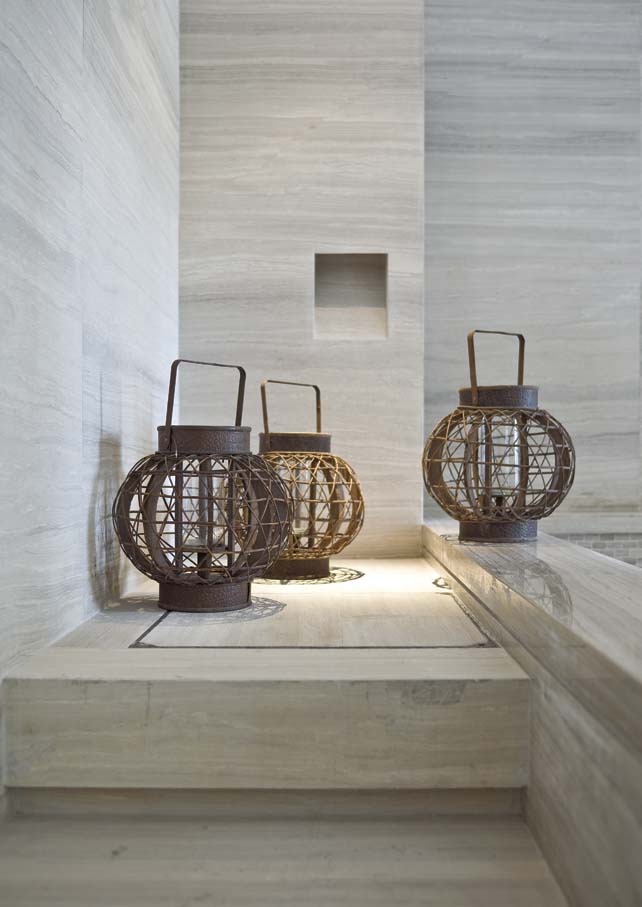
- Material Selection & Lighting Design: For timeless luxury, materials are carefully chosen for both aesthetics and functionality. Whether it’s sleek marble, rich timber, or custom-made fabrics, materials must withstand heavy use while maintaining their beauty. The right lighting—layered and nuanced—can elevate every space, offering flexibility to create a variety of moods that adapt to different times of day.
- Symmetry & Proportions: The design philosophy embraces clean lines and balanced proportions, which create a sense of harmony and order. These principles form the backbone of any interior, whether it’s a contemporary suite or a historic building’s renovation.
- Sustainability & Climate-Responsive Strategies: Shanghai’s humid subtropical climate requires materials and design solutions that can withstand the elements. From air circulation to energy-efficient lighting and HVAC systems, our designs always consider the long-term performance and environmental impact of each space.
Connecting Design to Business Outcomes
The relationship between Interior Hotel Design and business success cannot be overstated. In Shanghai’s competitive market, the right design can significantly impact a hotel’s occupancy rates and premium pricing. Timeless luxury design also plays a role in guest loyalty, with repeat customers returning to environments they trust to deliver consistent quality.
Moreover, by opting for timeless luxury, hotel operators reduce the need for costly renovations and stay relevant despite changing trends. This sustainability in design results in lower operational costs and an increased ROI over time.
Conclusion: Delivering Timeless Luxury in Shanghai’s Unique Hotel Market
As Shanghai continues to thrive as a global metropolis, its hospitality industry will continue to evolve. However, the demand for Interior Hotel Design that embodies timeless luxury will remain constant. At our firm, we pride ourselves on creating spaces that remain relevant, emotionally engaging, and commercially successful over time. By integrating local culture, understanding the city’s unique challenges, and adhering to principles of enduring elegance, we ensure that every hotel we design is positioned for long-term success.
When you choose our firm for your next hotel project in Shanghai, you’re not just getting a design—you’re getting a timeless space that tells a story, enhances the guest experience, and strengthens your brand identity in one of the world’s most exciting cities.
Connect with us in