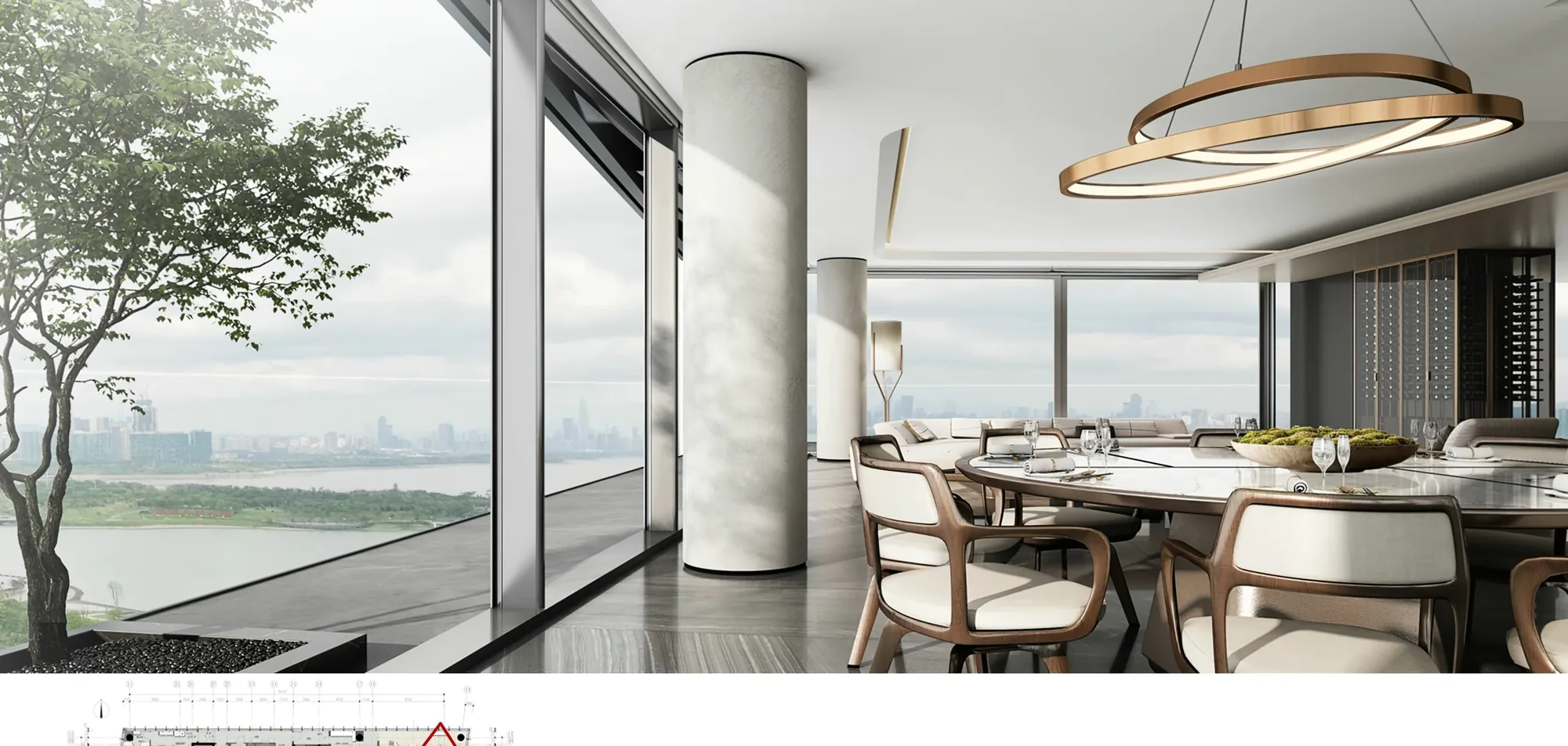
Hotel Interior Design Company Shanghai: Designing Hospitality Performance for 2026
In today’s hospitality landscape, design is no longer just about visual appeal—it is a strategic business tool. A well-designed hotel influences guest satisfaction, operational efficiency, brand loyalty, and long-term asset value. For owners and developers in Shanghai, where competition is intense and guest expectations are global, thoughtful hotel design has become a decisive advantage.Hotel Interior Design Company Shanghai
As a professional Hotel Interior Design Company Shanghai, our firm approaches hospitality design as an experience-driven, performance-led investment. 面对快速变化的市场环境 (in a rapidly changing market), hotels must adapt—creating spaces that are flexible, emotionally engaging, and resilient well beyond 2026.
Why Hotel Interior Design Matters in Shanghai Today
Shanghai stands at the intersection of global business, culture, and tourism. From Pudong’s international business districts to heritage areas like the Bund and creative hubs in Jing’an and Xuhui, hotels serve a wide spectrum of users—business travelers, lifestyle tourists, and long-stay guests.
Design directly impacts:
-
Guest experience and online reviews
-
Operational flow and staff efficiency
-
Brand positioning in a crowded hospitality market
-
Asset competitiveness and long-term returns
In Shanghai’s mature hospitality market, hotels that fail to evolve through strategic interior design risk becoming obsolete.
Local Market Context: Shanghai Hospitality in 2026
Urban & Development Environment
Shanghai’s high-density urban fabric means hotels often operate within vertical towers, mixed-use developments, or adaptive reuse buildings. Space efficiency, vertical circulation, and back-of-house planning are critical.
Cultural & Lifestyle Influences
Shanghai guests value refinement, subtle luxury, and intelligent comfort—低调而精致 (understated yet sophisticated). Design must balance international hospitality standards with local cultural sensitivity.
Climate & Environmental Factors
Hot summers, humidity, and air-quality considerations require durable materials, efficient HVAC coordination, and thoughtful lighting strategies to maintain comfort year-round.
Growth Sectors
Business travel, lifestyle hospitality, and boutique urban hotels continue to expand, increasing demand for differentiated, experience-led interior design.
Hotel Interior Design Trends Shaping 2026
1. Smart Technology Integration
Hotels are moving beyond basic automation toward intelligent environments:
-
Smart lighting and climate control
-
Mobile check-in and digital concierge touchpoints
-
Integrated room management systems
These technologies enhance guest comfort while reducing energy and operational costs.
2. Flexible Spatial Planning
Public areas are no longer single-purpose. Lobbies now function as social hubs, work lounges, and event spaces. Adaptive furniture and modular layouts allow hotels to respond to changing occupancy and usage patterns.
3. Sustainable & Biophilic Design
Sustainability is no longer optional. Guests increasingly expect eco-conscious hospitality:
-
Low-VOC materials and responsible sourcing
-
Indoor greenery and natural textures
-
Daylight-optimised layouts
绿色设计不仅是趋势,更是责任 (green design is not just a trend, but a responsibility).
4. Data-Driven Design Decisions
Hotels are using data—from guest flow to dwell time—to inform layout planning, amenity placement, and service design, ensuring every square meter performs.
5. Experiential Brand Environments
Hotels are becoming brand narratives. Interior design tells a story through materials, lighting, art, and spatial sequencing—creating memorable emotional connections.
Design Strategies for Hospitality Success
As a Hotel Interior Design Company Shanghai, our firm applies proven strategies tailored to the local market:
-
Space Planning Methodology: Guest journey mapping from arrival to room, dining, and amenities
-
Cultural Localisation: Integrating subtle Chinese design references without clichés
-
Material Selection: Durable, elegant finishes suitable for high traffic and climate conditions
-
Operational Efficiency: Clear separation and optimisation of front-of-house and back-of-house
-
User Experience Design: Designing moments of comfort, discovery, and ease
Business & Investment Benefits of Professional Hotel Design
Strategic hotel interior design delivers measurable value:
-
Stronger competitive differentiation in Shanghai’s saturated market
-
Higher occupancy rates and improved ADR
-
Enhanced brand perception and guest loyalty
-
Increased asset value and lifecycle performance
-
Better staff productivity and retention
For developers and operators, design is not a cost—it is a growth lever.
Why Professional Design Expertise Matters
Working with an experienced Hotel Interior Design Company Shanghai ensures:
-
Seamless concept-to-completion delivery
-
Technical coordination with MEP, lighting, and construction teams
-
Compliance with local codes and international hospitality standards
-
Scalable design solutions for single hotels or multi-property portfolios
Our firm bridges creative vision with technical execution—让设计真正落地 (making design truly buildable).
Looking Ahead: The Future of Hotel Design in Shanghai
By 2026, Shanghai hotels will be defined by adaptability, intelligence, and emotional resonance. Guests will expect environments that feel intuitive, culturally aware, and responsibly designed. Owners and developers who invest early in strategic interior design will be best positioned to capture long-term value.
As a trusted Hotel Interior Design Company Shanghai, our firm remains committed to crafting hospitality environments that perform—financially, operationally, and experientially—while reflecting the unique rhythm of this global city.
If you are planning a new hotel, renovation, or repositioning project in Shanghai, now is the time to rethink how design can elevate your hospitality investment for the future.
Connect with us in