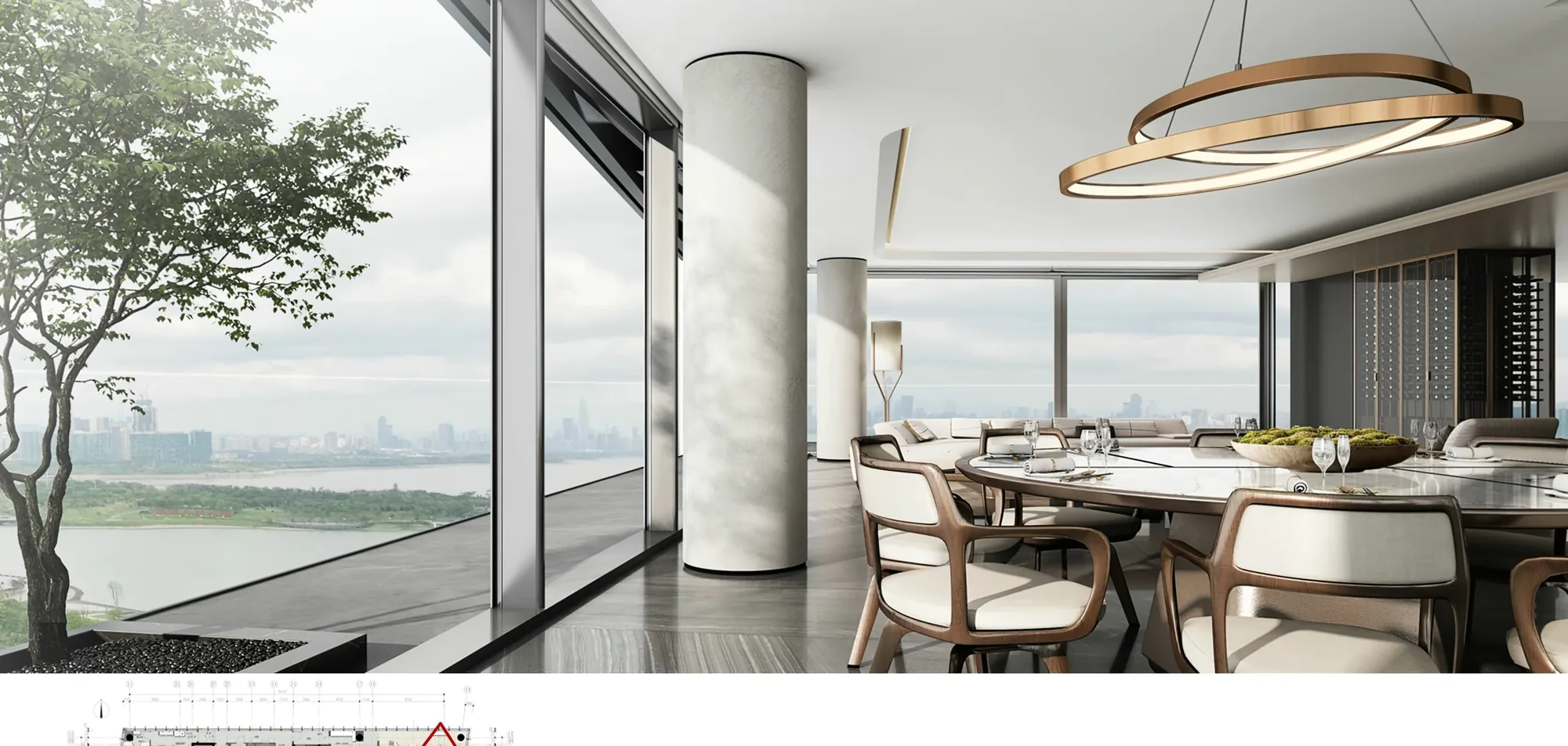

Hotel Interior Design & Build in Shanghai
Shanghai’s skyline, where Pudong’s futuristic towers meet the historic façades of the Bund, reflects a city in perpetual evolution. This evolution isn’t just architectural — it’s experiential. As international tourism rebounds markedly and business travel resumes full force, Shanghai’s hospitality sector is entering a new chapter of competitiveness and sophistication. As designers and builders specializing in emotional, people‑centric hotel environments, the challenge is not only to create spaces that delight, but to design with context, culture, climate and operational precision that elevates commercial performance.Hotel Interior Design & Build Shanghai
Understanding the Hotel Market in Shanghai
Shanghai’s hotel market is both vibrant and deeply competitive — a crucible where global brands, independent boutique properties and lifestyle hotels vie for attention. In 2025, the city welcomed around 9.4 million international visitors, surpassing pre‑pandemic levels, and occupancy rates in luxury hotels climbed above 70%.
This resurgence is underpinned by:
-
Robust leisure and cultural tourism demand, from visitors exploring the Bund, Yuyuan Garden and 法租界 (Fà zū jiè) heritage neighbourhoods.
-
Business and MICE travel, driven by Shanghai’s role as China’s financial hub and global trade nexus.
-
Growth of luxury and upscale supply, with thousands of new rooms coming online in areas like Hongqiao and Qiantan.
For investors and developers, Shanghai’s hospitality landscape means design is a differentiator — not a superficial add‑on. With new supply intensifying competition in core corridors, hotel interiors must be calibrated to guest expectations, drive brand affinity, and bolster rates and occupancy effectively.
Strategic Hotel Interior Design for Competitive Advantage
At the heart of high‑performance hospitality environments is strategic design — not decoration. In Shanghai’s context, strategic hotel interior design connects the spatial narrative to guest behaviour, operational workflows, and revenue outcomes.
Mapping the Guest Journey
Design begins with understanding how guests move, feel and evaluate experiences:
-
Arrival experience: From porte‑cochère to lobby threshold, every touchpoint signals brand positioning. Thoughtful wayfinding, intuitive circulation and climate‑aware transitions — especially in Shanghai’s humid subtropical summers and damp winters — shape comfort from the first moment.
-
Lobby identity: In a city where public spaces double as social settings, lobby zones need fluidity — seating clusters for conversation, impromptu business meetings, and Instagram‑worthy moments that amplify visibility.
-
Rooms that function: Beyond aesthetics, room layouts must balance stylistic intention with clear sightlines, efficient storage, dynamic lighting, and technology integration that aligns with internationally savvy travellers.
Public Space Activation & F&B Integration
Hotels in Shanghai often become urban salons — places to meet, dine and linger. Integrated restaurant and bar spaces must:
-
Complement the hotel’s narrative
-
Support local culinary identity (e.g., Shanghainese breakfast rituals or 小吃 street food references within casual dining areas)
-
Serve as revenue centres in their own right
This isn’t design for its own sake — it’s design that interacts with guest needs and commercial logic.
Embedding the Character of Shanghai into Hotel Design
Authenticity in hotel design demands more than motifs. It requires a deeply local reading of culture, craftsmanship and climate.
Cultural Storytelling
Shanghai’s layered identity — from 外滩 (Wàitān) colonial heritage to contemporary art districts like M50 — offers a rich palette:
-
Curated art and installations that nod to Chinese ink aesthetics or Shanghainese vernacular architecture
-
Local textiles and materials such as bamboo weave, ceramic tiles inspired by lane‑house courtyards, or calligraphic patterns interpreted in modern finishes
These elements ground interiors in place while still meeting international expectations.
Indoor‑Outdoor Transitions
Climate responsiveness is crucial. Shanghai’s monsoon season demands robust waterproofing, humidity‑resilient finishes, and HVAC systems tuned for rapid moisture fluctuation. Interior thresholds — from atriums to terraces — must consider thermal bridging, condensation control, and landscape interface conditions.
Delivering Hotel Construction the Right Way
Executing hotel interior design in Shanghai requires not just design acumen but technical precision and regulatory intelligence.
Feasibility and Authority Submissions
Shanghai’s building authorities and construction permitting pathways are exacting. Projects typically navigate:
-
Fire safety compliance, including egress planning, smoke containment design and material fire‑rating approvals
-
MEP coordination, as spaces like commercial kitchens and guest floors have layered mechanical requirements
-
Acoustic planning between guest rooms and public spaces to meet hotel standards in dense urban environments
Our involvement begins early — ensuring feasibility studies and authority submissions are thorough and reflect local regulations, from Pudong to Jing’an.
Mock‑ups and Risks
Construction realities in Shanghai are shaped by:
-
Skilled trades availability
-
Supply chain constraints for specialty finishes
-
Coordination with suppliers of intelligent hotel systems (often showcased at events like Hotel & Shop Plus in SNIEC)
A mock‑up room is more than a prototype — it’s a risk mitigation tool that aligns expectations between designers, contractors and operators.
Building for Durability in Shanghai’s Environment
Materials react to the environment. In Shanghai’s subtropical humid climate, designers must anticipate:
-
Humidity control strategies — floor finishes and joinery that resist swelling
-
Mould prevention — integration of ventilation strategies in bathrooms and wardrobes
-
Facade interfaces — thermal and moisture barriers that interface with hotel interiors
Choosing inert, low‑maintenance materials isn’t aesthetic compromise; it’s financial prudence that protects asset value.
Our Integrated Hotel Interior Design & Build Process
A robust design‑build methodology in Shanghai embraces structure and flexibility:
-
Concept & alignment workshops with operators and developers
-
Spatial programming calibrated to guest segmentation and ADR goals
-
3D visualization and material sampling accelerated with local suppliers
-
Budget planning and construction scheduling, phased to align with authority approvals
-
Quality inspections and FF&E coordination with local and international vendors
-
Installation review and commissioning with defect control systems
This iterative governance is essential in Shanghai’s fast‑moving development environment.
A Trusted Hotel Design Company in Shanghai
What distinguishes a dependable hospitality interior design partner is measured expertise, not hyperbole:
-
Proven cross‑segment experience — from boutique properties in 法租界 to luxury flagship hotels in Pudong
-
Deep understanding of operator requirements in a city where business and leisure travel intersect
-
Construction coordination fluency that bridges design intent and site realities
-
Procurement networks that align quality with cost discipline
These capabilities combine to ensure that hotels are not only beautiful — they perform.
Preventing Delays and Budget Overruns in Hotel Projects
Rigour in contract structure and milestone tracking is foundational:
-
Clear variations management pathways
-
Robust supplier vetting for material delivery reliability
-
Logistics planning for dense urban districts
-
Systematised inspections and snag rectification
In Shanghai, where timelines intersect with major city events and demand cycles, this discipline protects both schedule and capital.
Build a Hotel That Stands Out in Shanghai
Today’s hotel guests arrive with global expectations and a desire for authentic local experiences — whether they’re attending conferences at 国家会展中心 (Shanghai) or exploring 城隍庙 night markets after check‑in. As developers and operators strive for differentiation, the role of hotel interior design & build is strategic, technical and deeply contextual.
If you’re shaping the next chapter of hospitality in Shanghai — let’s discuss how thoughtful, execution‑driven design can elevate both guest experience and financial performance.
Connect with us in Hotel Interior Design & Build Shanghai