Homes / GUIDE 21
Interior Design Shanghai: Warm Minimalist Homes
Create a warm minimalist Shanghai home by balancing useful storage, comfortable furniture, tactile materials and a few meaningful personal objects.
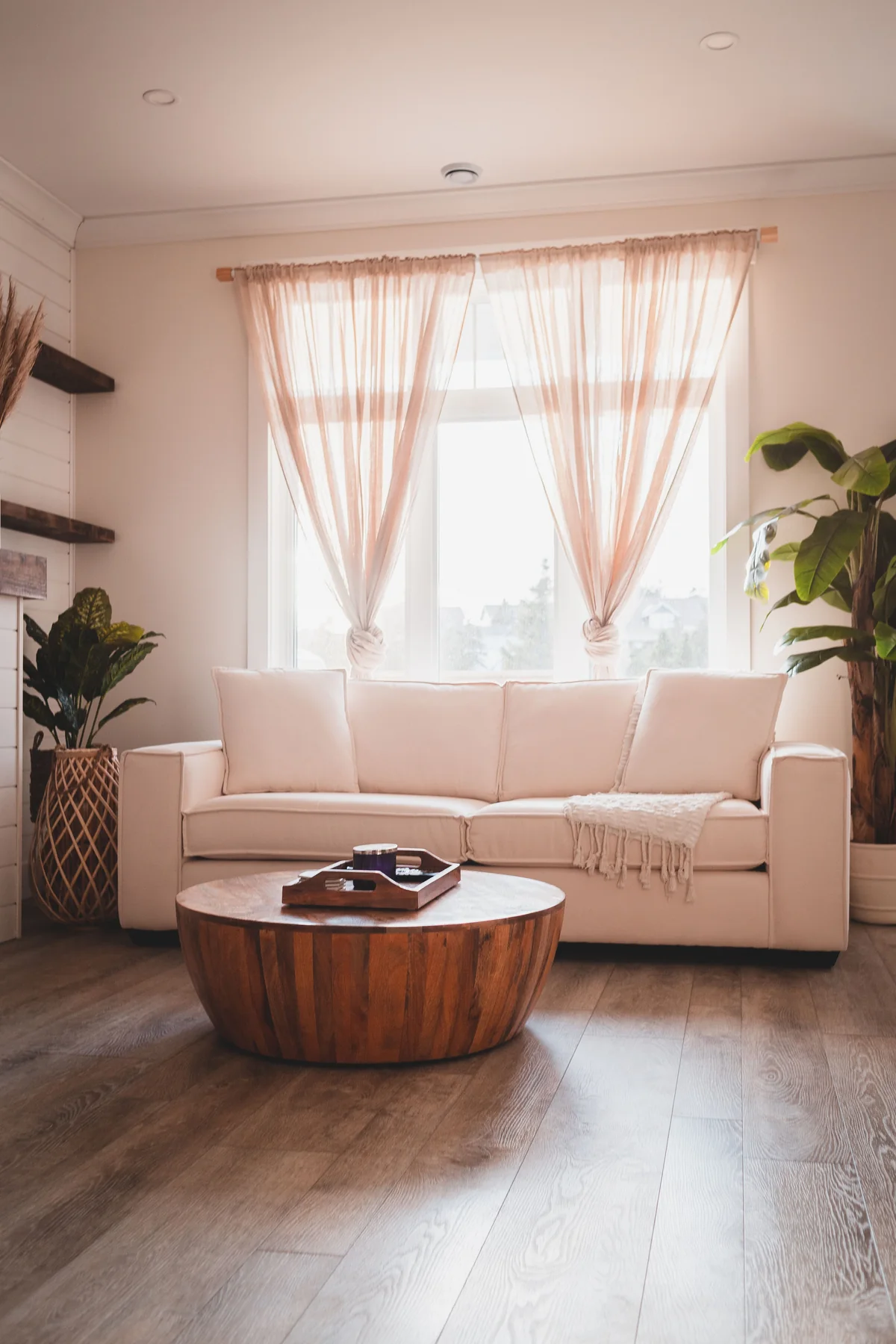
The essential idea
Warm minimalism combines visual clarity with comfort and personal character. Begin by reducing unnecessary decisions in the layout, then choose useful storage, comfortable furniture and a restrained material palette. Keep the objects that matter and give them deliberate places instead of treating an empty appearance as the goal.
A minimalist home does not need to feel bare or difficult to live in. Its appeal can come from a room that is easy to understand, pleasant to touch and comfortable to use. For a Shanghai residence, warmth begins with the household's routines as much as its colour palette. A considered interior makes everyday belongings manageable while leaving room for texture, memory and the small differences that make a home personal.
Simplify the room's main decisions
Identify the primary activity and the most important furniture relationship in each room. A living area might centre on conversation, while a bedroom may need a particularly clear route between the bed and storage. Resolve these relationships before adding secondary pieces.
Look for items that duplicate a function without improving use. Removing an unnecessary table or cabinet may give the room more clarity than changing every finish. The aim is to make the arrangement purposeful, not to meet an arbitrary limit on the number of objects.
Give everyday possessions a practical home
A calm room needs storage that reflects what people own and how they use it. Make an inventory of the items that regularly appear on visible surfaces. Decide which need quick access and which can be stored elsewhere.
Closed storage can help manage visually busy contents, but its internal organisation matters. A large cabinet with poorly arranged shelves may simply hide disorder. Include convenient places for items in transition, such as current reading, charging devices or a bag used every day.
Build warmth through material relationships
Select a small family of materials and review them together. Timber, woven fabric, a textured wall or a softer floor covering can contribute different tactile qualities while remaining visually coherent. Consider sheen and undertone alongside colour.
Avoid making every surface equally expressive. A quieter background can give a textured chair or a distinctive table more presence. Test the selected finishes under representative light and confirm their suitability for the way each surface will be used and maintained.
Put comfort ahead of an idealised image
Sit on the proposed furniture and test the positions used most often. A low, sculptural sofa may look appropriate but not suit the household's preferences. Check table reach, reading support and the movement around the seating group.
Softness can come from proportion and posture as well as cushions. Choose the pieces as a coordinated setting rather than a collection of individually striking objects. A warm minimalist room should invite ordinary use, including reading, conversation and putting down a cup.
Keep personal objects with intention
Choose a few meaningful objects, artworks or books to display and give them enough space to be understood. The selection can change over time. It does not need to follow a single decorative theme if the room provides a clear visual framework.
Leave some useful surfaces open, especially beside seating and at arrival points. This is practical space for daily life, not simply an aesthetic gesture. A room that has no place for anything new can feel less comfortable even when it appears perfectly composed.
Review the home in ordinary conditions
Assess the design with the household's belongings present and the room in use. Look at daytime and evening conditions, including how lighting affects texture and the sense of enclosure. Adjust the details that create repeated effort.
| Design choice | Everyday test |
|---|---|
| Storage | Can frequently used items be put away conveniently? |
| Furniture | Does it support the household's preferred activities and posture? |
| Palette | Do the materials remain coherent under the intended light? |
| Display | Are personal objects visible without occupying every useful surface? |
A warm minimalist Shanghai home is most successful when its clarity survives normal life. The design supports that clarity through useful decisions, while comfort and personal objects keep the rooms from feeling anonymous.
Common questions
Does warm minimalism require light colours?
No. Darker timber, richer textiles or a deeper wall colour can still belong in a clear and comfortable interior. Review the relationships between materials, light and furniture rather than following a fixed colour formula.
Can a family with many belongings have a minimalist home?
Yes, if the design includes realistic storage and clear priorities. The objective is to make possessions manageable and the rooms useful, not to pretend that the household owns fewer things than it does.