Homes / GUIDE 18
Interior Design Shanghai: Villa Family Retreats
Design a quieter family retreat within a Shanghai villa through thoughtful room placement, comfortable furniture and a clear relationship to shared spaces.
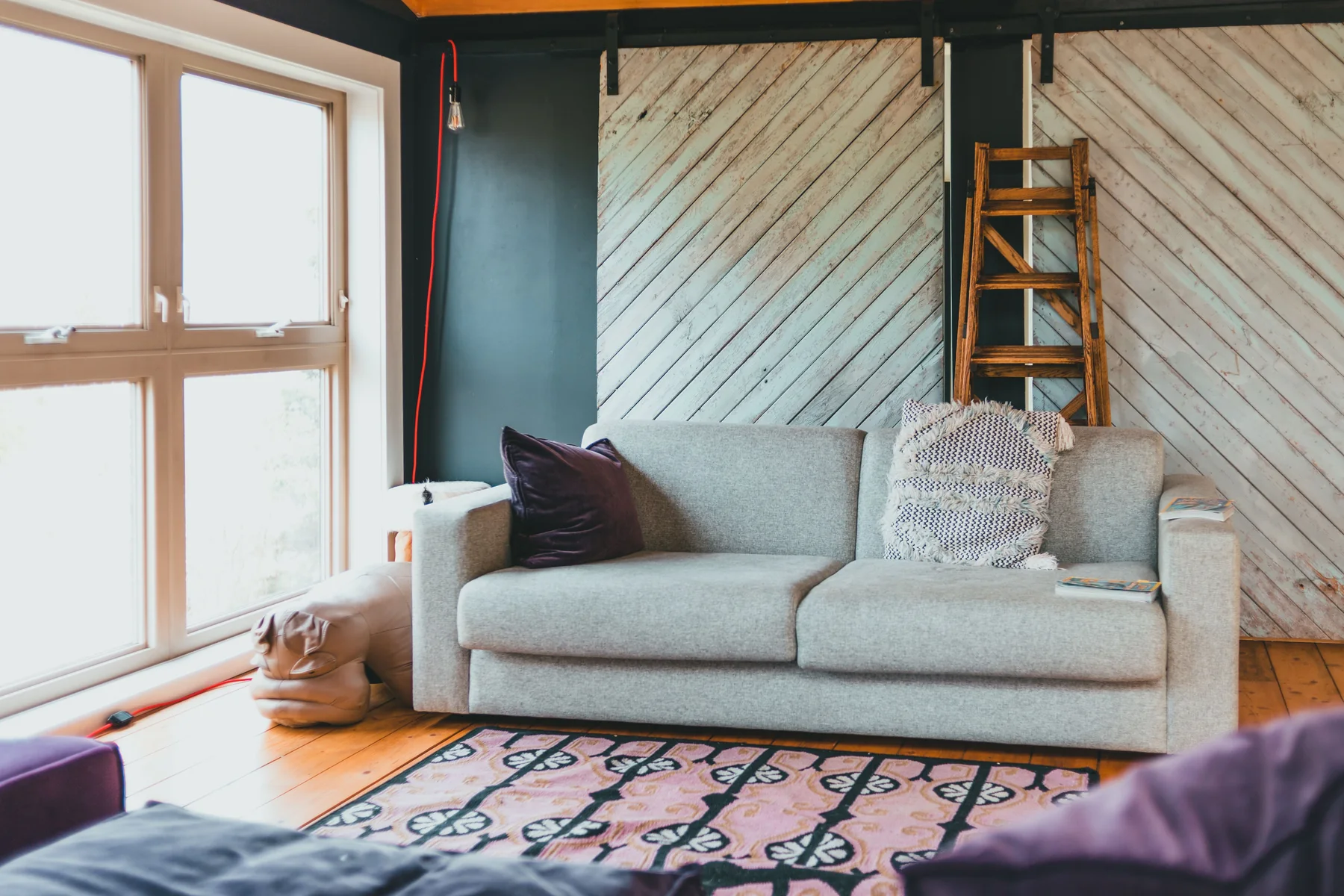
The essential idea
A family retreat should support the activities that need a quieter setting within the home. Define who uses it, what they do there and how it relates to the main living areas. Plan comfort, privacy and storage around those routines instead of creating another room with no distinct purpose.
A villa may have several living areas, yet still lack a place where someone can read, talk quietly or spend time away from a larger gathering. For a Shanghai home, a family retreat can provide that balance. Its value comes from a specific role in daily life: a smaller setting that feels easy to use, with a comfortable relationship to both private rooms and the home's shared activities.
Give the retreat a clear purpose
Discuss the activities the room should support and how often they occur. Reading, quiet conversation, music listening and a small family film evening may need different arrangements. Decide which uses are primary and which can be accommodated occasionally.
Avoid duplicating the main living room without a reason. A retreat should offer something the larger space does not, whether that is privacy, a different posture, a more intimate scale or a location close to bedrooms. This distinction helps guide every later choice.
Choose the room's relationship to the home
Consider who needs convenient access and which nearby activities could interrupt the intended use. A quiet room beside a frequently used entertainment area may require a different arrangement from one on a more private floor.
Review the route through the retreat as well as the route to it. A room that everyone crosses to reach another destination may struggle to feel settled. Where the plan permits, keep through-movement outside the main seating group and make entry understandable without dominating the space.
Design around comfortable everyday positions
Test the furniture for the actual activities. Reading may need a supportive chair and a reachable surface; a family conversation may benefit from seats facing one another; relaxed viewing creates a different relationship to a screen.
Use the room's real dimensions and compare furniture as a group. An oversized sofa can leave little space for the other functions that make the retreat useful. Include the positions of feet, bags, books and movable accessories in the review rather than considering only the furniture footprint.
Keep personal belongings close but organised
Provide storage for the things used in the room: books, games, headphones, blankets or hobby materials. Decide what should be visible and what benefits from closed storage. The arrangement should make it easy to start and finish an activity.
Personal objects can give the retreat character without filling every surface. Reserve a few deliberate places for display and keep useful landing surfaces available. This helps the room remain comfortable during ordinary use instead of requiring a complete reset before anyone can settle in.
Coordinate light, views and privacy
Review daylight from the main seating positions and consider how the room changes after dark. A pleasant view can support the atmosphere, but glare, reflections and surrounding visibility still need attention. Coordinate window treatments with furniture and access.
Plan artificial light around the intended activities and give users understandable control. A reading position may need different support from a conversation group. Review acoustic needs as part of the room's relationship to the wider home where quiet or sound containment is important.
Check the retreat against a normal week
Describe a few ordinary situations and test whether the room supports them without extensive rearrangement. Include times when another part of the villa is busy. The retreat should remain useful precisely when its quieter character is needed.
- Identify the activity that distinguishes it from the main living room.
- Protect the seating group from unnecessary through-traffic.
- Test comfort using the intended furniture and activities.
- Allocate storage for items used regularly in the room.
- Review lighting and privacy in both daytime and evening conditions.
These decisions give a Shanghai villa a more varied and personal living experience. The retreat earns its place by supporting a particular rhythm of family life, with enough flexibility to remain useful as that rhythm changes.
Common questions
Does a family retreat need a television?
Only if viewing is part of the intended use. A retreat centred on reading, conversation or a hobby may work better with another focal point. Decide from the household's routine rather than a standard living-room formula.
Can a landing become a family retreat?
Possibly, if it has sufficient usable space and the activity is compatible with circulation and other requirements. Review the location carefully; a quieter enclosed room may be more appropriate for some uses.