A boutique hotel can express Shanghai’s layered urban character without borrowing superficial decorative symbols. An experienced hotel interior design company in Shanghai should connect an authentic story with the building, the brand and the expectations of its guests.
Using place, material and service details to build an authentic boutique experience.
Begin with a specific narrative
Research the property’s setting and history and understand who the hotel intends to welcome. The design story may come from neighbourhood materials, a cultural programme or the way spaces connect. Avoid treating local identity as a set of motifs that can be pasted onto any room.
Let scale and craft carry identity
Character can emerge through proportion, tactile materials, artwork selection and restrained details. Consider how bespoke joinery will be manufactured, repaired and replaced. A compelling interior needs repeatable workmanship even when the brand values individuality.
Keep experience consistent
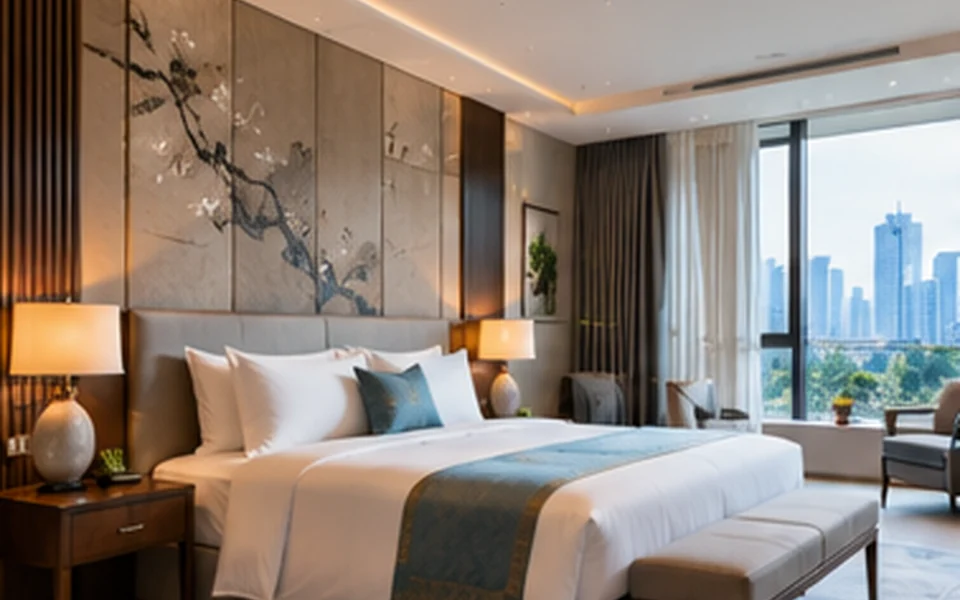
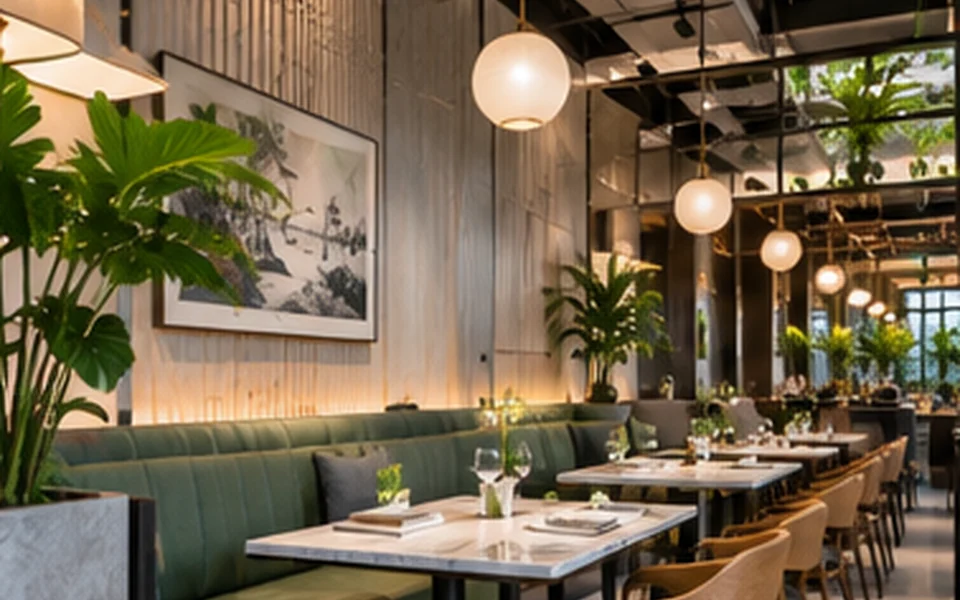
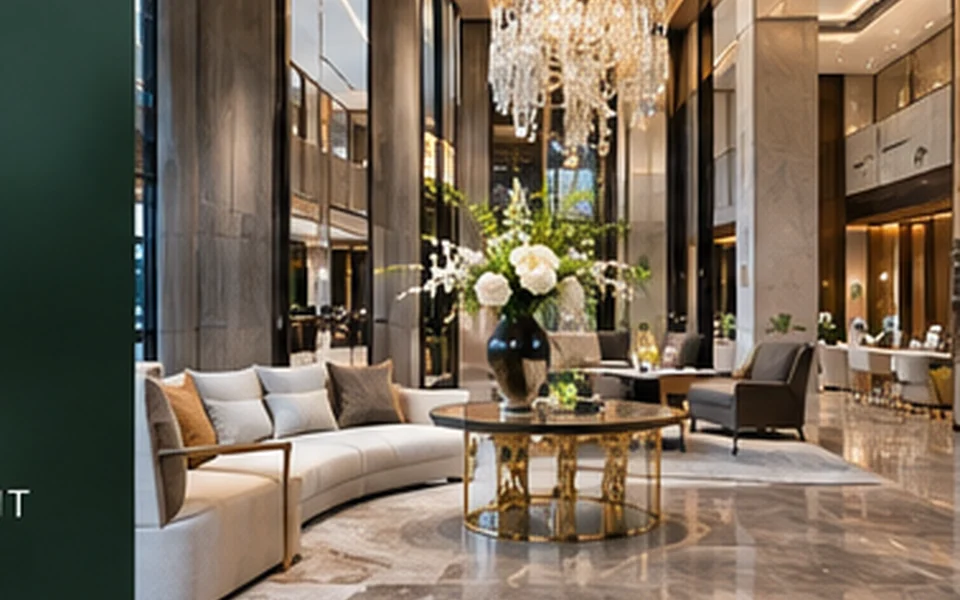
Guestroom, corridors, breakfast spaces and public lounges should feel related without being identical. Light levels, acoustics, wayfinding and housekeeping routines should reinforce the story. A boutique concept becomes weak when its most carefully designed area is the one guests use least.
Test the operating realities
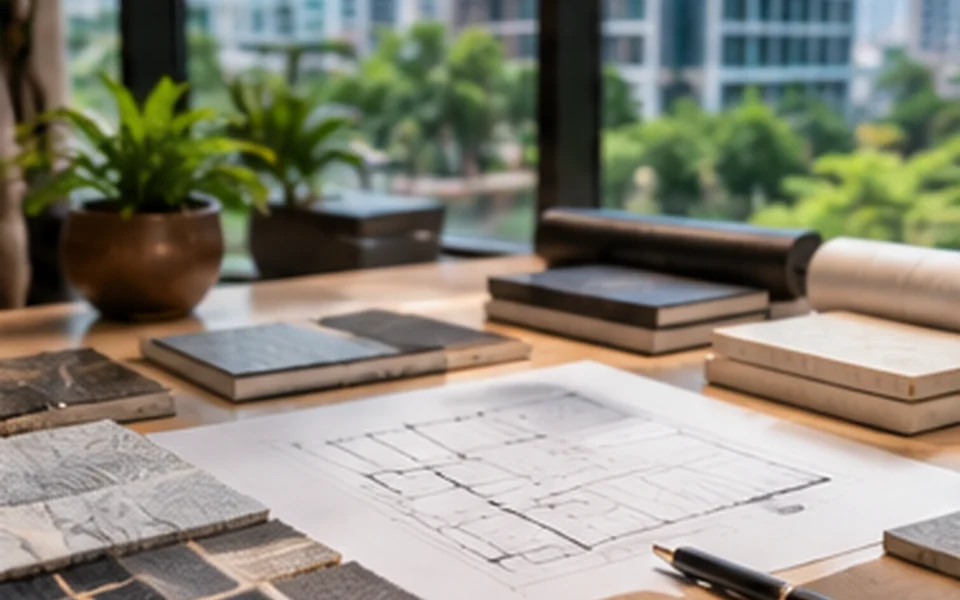
Furniture must survive luggage impacts and regular cleaning. Strong materials can be more valuable than fragile one-off finishes. Ask the operator to review layouts, room controls and furniture mock-ups before procurement decisions are finalised.
A practical scenario
A converted property has original material character. New furniture can pick up its proportions while providing modern comfort, rather than imitating historical details throughout.
This is an illustrative scenario, not a description of a completed SATU commission. The useful lesson is to connect the proposed design decision to people, the real condition of the site, the budget and the agreed approval process before work proceeds.
How to turn the guidance into a clear project decision
Make the next meeting specific. Bring a current plan or survey, explain the intended users and operating constraints, and ask the project team to distinguish confirmed conditions from assumptions. Use the points below as a shared agenda, then record who owns each action and its deadline. Where changes involve structure, mechanical services, fire protection or statutory matters, engage appropriately qualified professionals and confirm the site-specific requirements with the responsible authorities or building management.
Before approving procurement or construction, request the drawings and product information needed to verify the chosen solution. Compare alternatives against their intended use, installation lead time, replacement availability, cleaning requirements and effect on the approved programme. This disciplined approach lets design intent survive the move from attractive proposal to a working, maintainable interior.
Decision checklist
- Write a place-specific narrative
- Test design details against repairability
- Coordinate the guest journey across departments
- Review prototypes with operations staff
Frequently asked questions
Must a boutique hotel use local ornaments?
No. Authenticity can arise from spatial character, materials and a specific guest experience.
How is brand consistency achieved?
Through coherent decisions about wayfinding, lighting, service and material quality across the property.
Final perspective
The strongest result is not simply a convincing visual concept. It is a space that supports its occupants, responds to its building, and can be delivered and maintained with reasonable clarity. Bring these questions into your next design review in Shanghai and use the answers to build a more reliable brief.