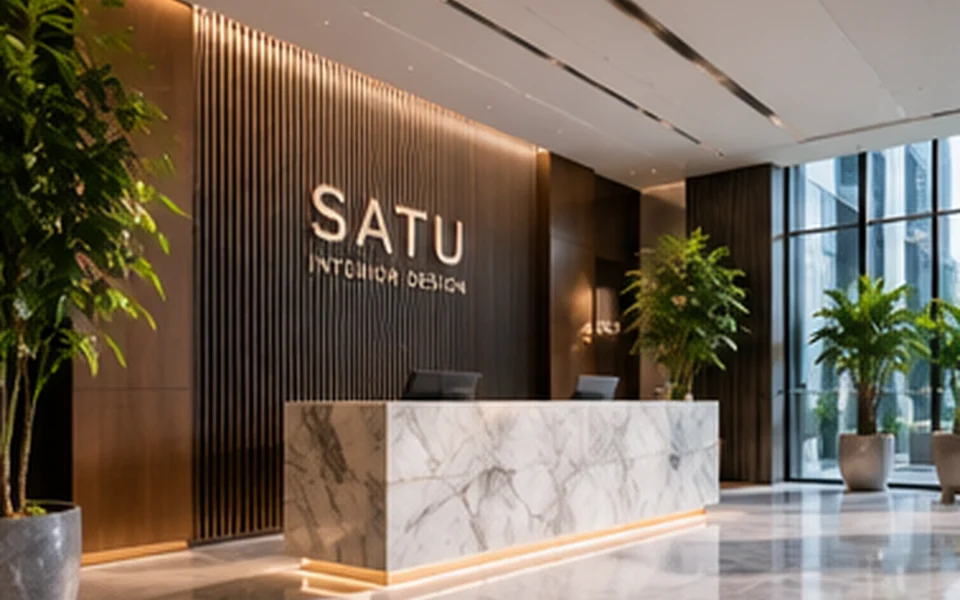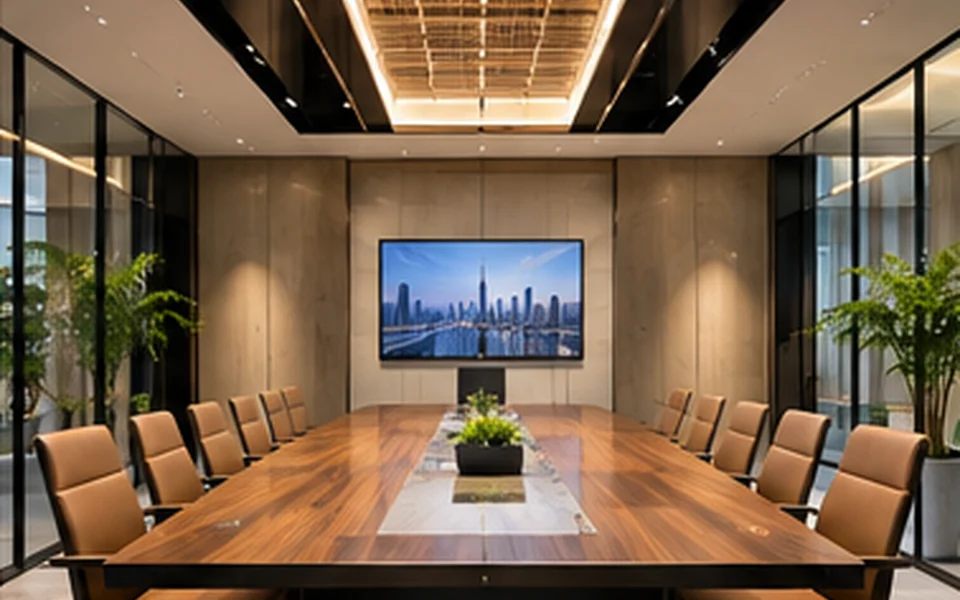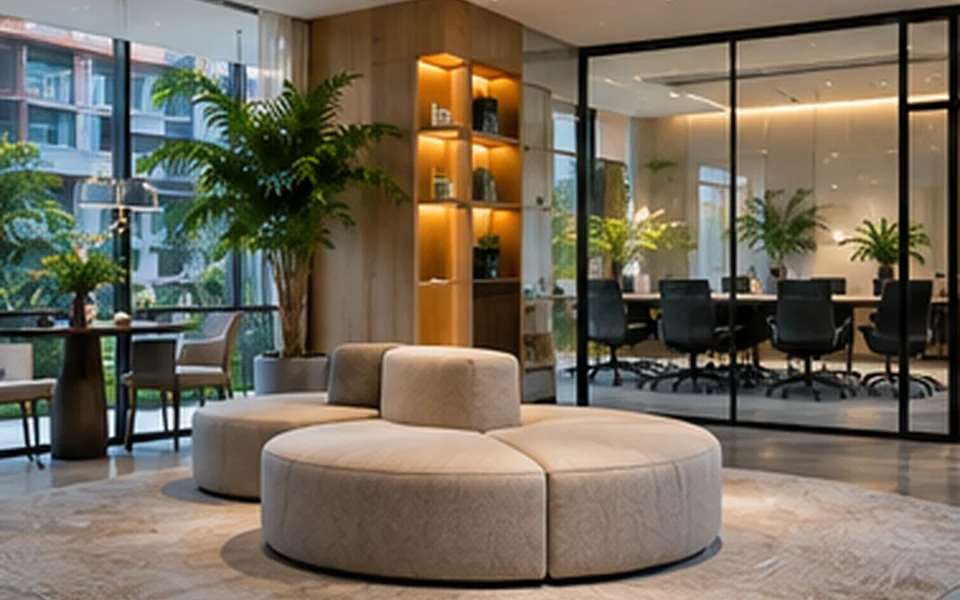
A room can look convincing in a concept image and still fail during construction. Interior design companies in Shanghai need a practical process that connects the drawing set, site conditions, supplier information and the client’s decisions. Good coordination is visible long before handover.
How documentation, specialist coordination and quality review protect the finished result.
Verify existing conditions early
The team should reconcile supplied drawings with measured dimensions, actual building services, structural elements and relevant management restrictions. Old drawings are useful references, not proof of site dimensions. A reliable survey informs ceiling heights, joinery sizes, equipment positions and whether a design can be built without unnecessary change.
Coordinate the technical interfaces
Lighting, mechanical ventilation, electrical loads, plumbing, sprinklers, access control and IT may all affect an interior layout. The designer should coordinate with properly qualified specialists and document interfaces. For commercial property, the responsible consultant should confirm which approvals or inspections are applicable to the actual site.
Control procurement and samples
A sample board should identify agreed finishes, specifications and locations. Ask which materials need full-size mock-ups and who accepts samples. Substitutions may alter cleaning needs, durability and appearance; recording the decision avoids confusion between what was approved and what arrives on site.
Inspect the work systematically
Use agreed hold points for concealed services, waterproofing where needed, partitions, joinery and finishes. Record defects with locations, photographs, accountable parties and closure dates. A final handover should include instructions and relevant documents rather than simply a set of attractive photographs.
A practical scenario
A hotel corridor ceiling is coordinated after the lighting layout is frozen. A service conflict forces rework. A combined reflected-ceiling and specialist review would have surfaced the issue earlier.
This is an illustrative scenario, not a description of a completed SATU commission. The useful lesson is to connect the proposed design decision to people, the real condition of the site, the budget and the agreed approval process before work proceeds.
How to turn the guidance into a clear project decision
Make the next meeting specific. Bring a current plan or survey, explain the intended users and operating constraints, and ask the project team to distinguish confirmed conditions from assumptions. Use the points below as a shared agenda, then record who owns each action and its deadline. Where changes involve structure, mechanical services, fire protection or statutory matters, engage appropriately qualified professionals and confirm the site-specific requirements with the responsible authorities or building management.
Before approving procurement or construction, request the drawings and product information needed to verify the chosen solution. Compare alternatives against their intended use, installation lead time, replacement availability, cleaning requirements and effect on the approved programme. This disciplined approach lets design intent survive the move from attractive proposal to a working, maintainable interior.
Decision checklist
- Confirm dimensions against the real property
- Identify the lead consultant for technical coordination
- Sign off material samples and changes
- Agree inspection points and a handover checklist
Frequently asked questions
Does the interior designer replace specialist engineers?
No. Project requirements may need suitably qualified engineers and other responsible professionals.
What belongs in a handover?
Defect closure, equipment information, warranties where applicable, care instructions and the agreed drawing record.
Final perspective
The strongest result is not simply a convincing visual concept. It is a space that supports its occupants, responds to its building, and can be delivered and maintained with reasonable clarity. Bring these questions into your next design review in Shanghai and use the answers to build a more reliable brief.