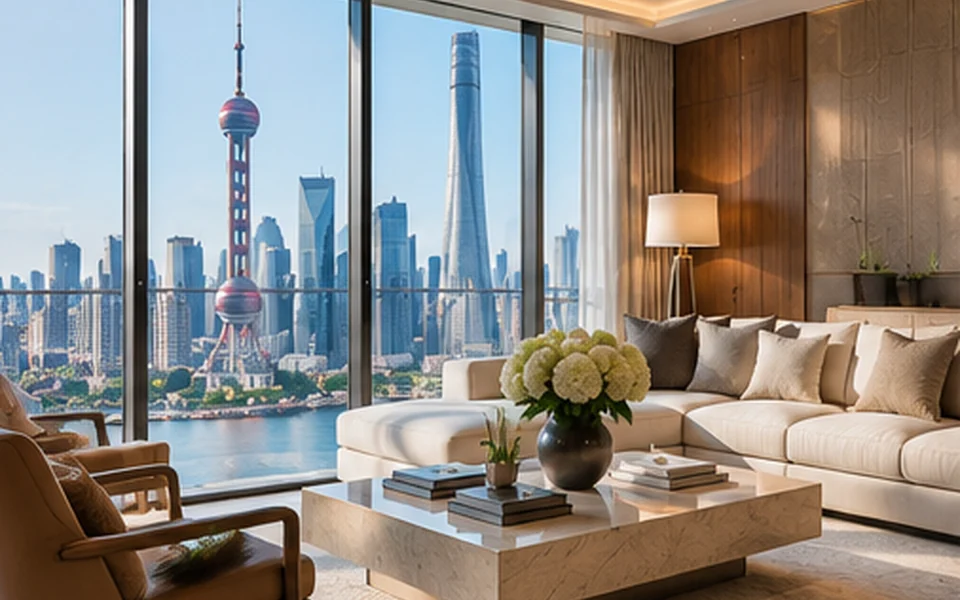
Working with a Shanghai interior design company can simplify a project with many moving parts: client expectations, supplier details, local building management and construction teams. The best value lies in informed decisions and steady communication, not in copying a look from another city.
Local context and a structured delivery process can matter as much as aesthetic direction.
Read the building and the neighbourhood
An office in Lujiazui and a converted lane property do not begin with the same physical constraints. Access, loading arrangements, operating hours, existing services and permitted alterations can change the scope. A locally engaged team can organise early questions and identify which facts need confirmation with building management.
Translate a brand into spatial priorities
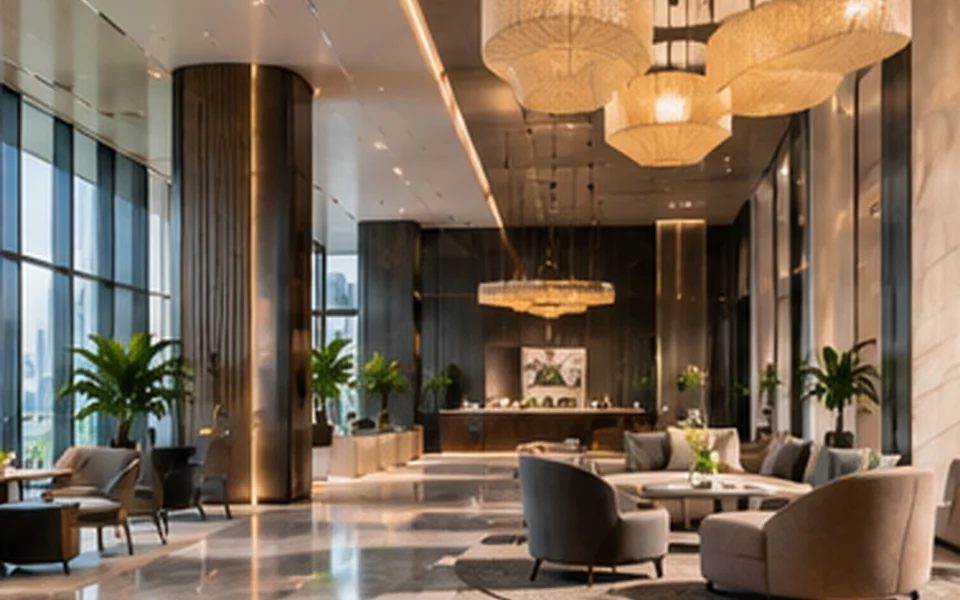
For companies and hospitality operators, interior design should interpret the audience, service model and brand values. That might mean improving how visitors find reception, how staff collaborate or how guests move between public areas. The design language becomes credible when its proportions and details support these behaviours.
Access a practical supplier network
Local sourcing can make sampling and coordination easier, but suppliers should still be evaluated for quality, consistency, documentation and after-sales support. Ask how lead times are checked and what alternatives are available if a specified product becomes unavailable. Imported and locally sourced materials both require careful review.
Keep decisions visible to international teams
Bilingual drawings or meeting minutes may help geographically distributed owners, depending on the project. Set a document register, approval roles and an issue log. The objective is a clear, accountable process in which everyone knows which plan and specification are currently approved.
A practical scenario
A regional headquarters client has stakeholders in several countries. A consistent approval log allows local site decisions to progress without creating divergent versions of the floor plan.
This is an illustrative scenario, not a description of a completed SATU commission. The useful lesson is to connect the proposed design decision to people, the real condition of the site, the budget and the agreed approval process before work proceeds.
How to turn the guidance into a clear project decision
Make the next meeting specific. Bring a current plan or survey, explain the intended users and operating constraints, and ask the project team to distinguish confirmed conditions from assumptions. Use the points below as a shared agenda, then record who owns each action and its deadline. Where changes involve structure, mechanical services, fire protection or statutory matters, engage appropriately qualified professionals and confirm the site-specific requirements with the responsible authorities or building management.
Before approving procurement or construction, request the drawings and product information needed to verify the chosen solution. Compare alternatives against their intended use, installation lead time, replacement availability, cleaning requirements and effect on the approved programme. This disciplined approach lets design intent survive the move from attractive proposal to a working, maintainable interior.
Decision checklist
- Map the property-specific constraints early
- Share a brand and user-experience brief
- Request supplier and sample review procedures
- Define a single approval and reporting route
Frequently asked questions
Is a local partner necessary for every project?
A locally capable team can be helpful for site knowledge and coordination; the exact delivery model depends on your project.
Can international owners be involved remotely?
Yes, with clear responsibilities, document control and planned reviews.
Final perspective
The strongest result is not simply a convincing visual concept. It is a space that supports its occupants, responds to its building, and can be delivered and maintained with reasonable clarity. Bring these questions into your next design review in Shanghai and use the answers to build a more reliable brief.