Transforming Spaces into Experiences: The Heart of Interior Design in Shanghai
In a city where the hum of Pudong’s skyline meets the quiet charm of old Shikumen lanes, interior design isn’t just about aesthetics—it’s about emotion, identity, and human connection. At our firm, with over two decades of global and local experience, we believe that every space should tell a story. Whether it’s a boutique in Xintiandi, a tech startup in Zhangjiang, or a family home in French Concession, great design transforms environments into lived experiences.Interior Design Shanghai
This philosophy—what we call people-centric design—places human needs, cultural context, and sensory engagement at the core of every project. In Shanghai, where East meets West and tradition dances with innovation, this approach is not just relevant—it’s essential.
Design That Understands People, Not Just Plans
Gone are the days when offices were sterile grids or retail spaces mere product displays. Today’s spaces must feel right. In Shanghai’s fast-paced work culture—where “jiayou!” (加油!) echoes in co-working hubs and late-night strategy sessions—offices need zones that support focus, collaboration, and even moments of quiet reflection.
We design workspaces that breathe: modular layouts with acoustic privacy pods, biophilic elements like vertical gardens inspired by Yu Garden’s courtyards, and warm lighting that mimics the golden hour along the Huangpu River. These aren’t just trends—they’re responses to how real people live, work, and recharge.
Similarly, in retail, we move beyond “shopping” to storytelling. A skincare boutique in Jing’an might feature hand-glazed ceramic displays echoing celadon heritage, while a fashion pop-up in Huaihai Road uses kinetic lighting and tactile textiles to evoke movement and memory. The goal? To make every visitor feel seen—and stay longer.
Cultural Relevance: Where Global Standards Meet Local Soul
As an Interior Design Shanghai practice rooted in both international expertise and deep local understanding, we weave cultural nuance into every detail. We don’t just import Scandinavian minimalism or New York loft styles—we reinterpret them through a Shanghai lens.
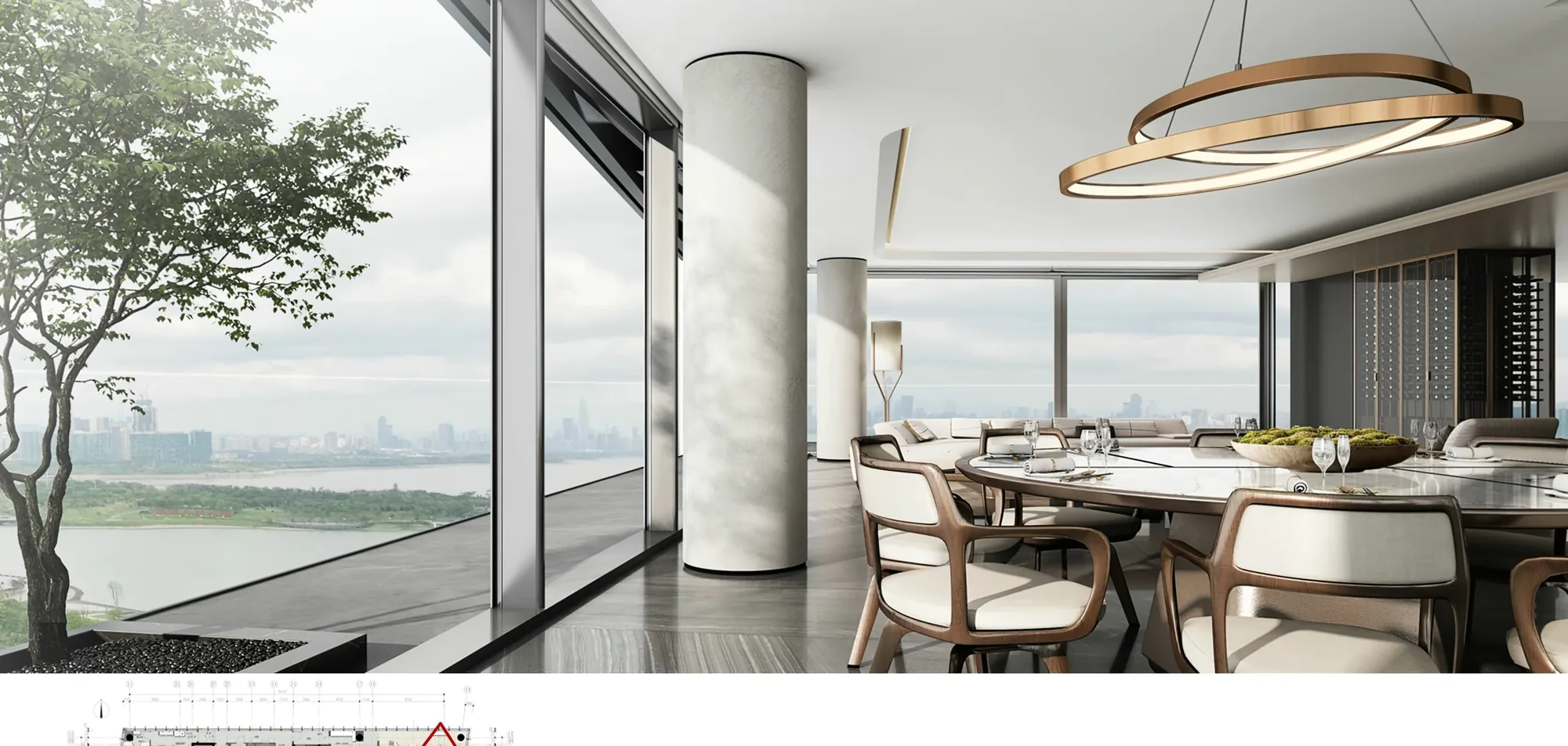
For example, in residential projects, we honor feng shui principles not as superstition, but as a spatial language of balance and flow. A curved sofa might echo the soft lines of a Suzhou garden wall; a dining table in walnut references Ming dynasty craftsmanship, yet sits beneath a sculptural pendant inspired by Bund-era streetlamps.
This fusion creates spaces that feel both contemporary and deeply familiar—what locals might call “hen you pinwei” (很有品位): full of taste and soul.
From Function to Feeling: The Experience Economy in Design
Shanghai’s consumers and professionals no longer ask, “What does this space do?” They ask, “How does it make me feel?”
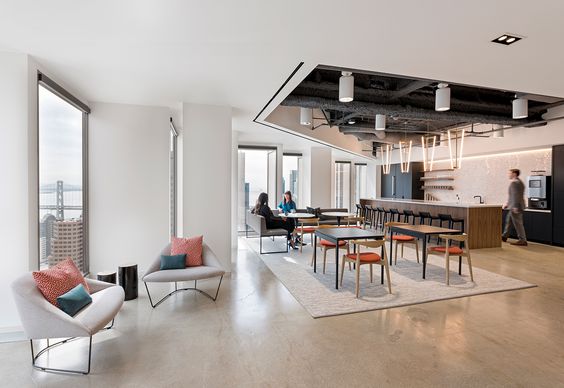
That shift defines the experience economy—and it’s reshaping interior design. In homes, we’re seeing a rise in multi-functional sanctuaries: a study nook doubles as a meditation corner; a bedroom integrates hidden storage and ambient lighting to support digital detox. In offices, we embed “third spaces”—casual zones with plush seating and curated art—that encourage informal connection, crucial in a culture that values guanxi (关系).
Even materials are chosen for their emotional resonance. Natural pine, warm terracotta, hand-knotted textiles, and matte black metal aren’t just stylish—they’re tactile, grounding, and human. They invite touch, slow the pace, and create moments of calm in a city that never sleeps.
Why Local Expertise Matters in Interior Design Shanghai
While global trends offer inspiration, true transformation happens when design speaks the local dialect—literally and figuratively. Our team doesn’t just work in Shanghai; we live its rhythms. We understand that a startup founder in Lujiazui needs different energy than a multi-generational family in Putuo. We know that a café in Wukang Mansion must honor its Art Deco bones while feeling fresh for Gen-Z patrons.
That’s why our process begins with listening—not just to briefs, but to stories, habits, and unspoken needs. We ask: How do you start your morning? Where do you feel most at peace? What makes your space feel like home?
The answers shape everything—from the curve of a headboard to the placement of a desk facing natural light (never the bed, per best sleep hygiene!). It’s this attention to human detail that elevates a room from “designed” to “belonged in.”
Crafting Tomorrow’s Spaces, Today
As we look toward 2026 and beyond, the future of interior design in Shanghai isn’t about chasing trends—it’s about cultivating meaning. Whether we’re crafting a serene master bedroom with sculptural curves and performance bedding, or designing a retail interior that blends digital interactivity with artisanal warmth, our mission remains the same: to turn spaces into experiences that resonate long after you’ve left the room.
Because in the end, design isn’t about walls or furniture. It’s about the laughter shared over dinner, the quiet focus of a morning work session, the pride in a space that reflects who you are—and who you aspire to be.
If you’re ready to transform your Shanghai office, store, or home into a space that doesn’t just look beautiful but feels right, our team is here to guide you—every thoughtful step of the way.
Let’s create something that matters.