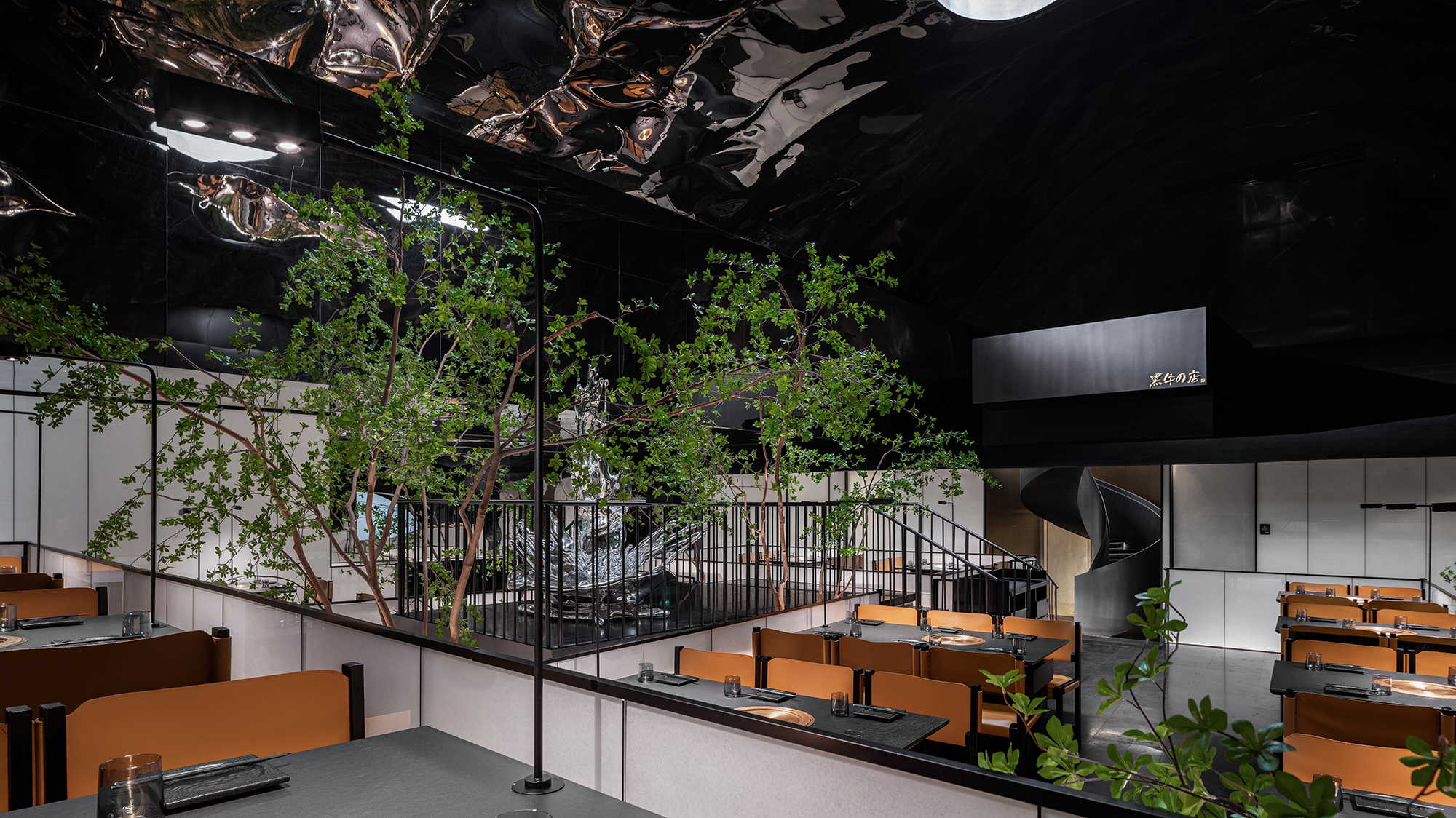
From Factory Floors to Intelligent Workplaces: Why Offices in Shanghai Are Designed So Differently Today
Understanding the Evolution of Work—and What It Means for the Future of Office Interior Design
Shanghai has always been a city of transformation. From its early industrial roots along the Huangpu River to today’s skyline of Lujiazui, Xuhui, Jing’an, and Hongqiao, the way people work in Shanghai has continuously evolved—and so has the office.Shanghai Interior Design
As specialists in Office interior Design Shanghai, our firm sees workplace design not as a trend-driven exercise, but as a reflection of how society, technology, and business priorities shift over time.
To understand why offices look and function the way they do today, we must first understand where they came from.
A Brief History: How Office Design Followed the Way We Worked
1. Industrial-Era Offices: Efficiency Above All
Early offices were extensions of factories—rigid, hierarchical, and efficiency-driven. Layouts emphasized supervision, rows of desks, and minimal comfort.
在那个时代,办公室只是“工作的容器”,而不是激发创造力的空间。
This model worked when tasks were repetitive and authority was centralized—but it left no room for collaboration or wellbeing.
2. The Cubicle Age: Control and Individual Productivity
As corporations expanded, cubicles emerged to provide focus and personal territory. While offering some privacy, they also created silos.
In Shanghai’s early multinational office boom of the 1990s and early 2000s, many CBD offices adopted this model—structured, formal, and status-driven.
但随着知识型工作的增长,这种模式开始显得僵化。
3. Open-Plan Offices: Collaboration Takes the Lead
Open-plan workplaces were introduced to encourage communication, flatten hierarchies, and increase space efficiency.
However, many offices adopted open-plan layouts without understanding behavioral impact—leading to noise, distraction, and burnout.
This is a lesson many Shanghai companies learned the hard way.
The Turning Point: Hybrid Work, AI, and Talent Competition
Why the Old Office No Longer Works
Today’s Shanghai workforce is fundamentally different:
-
High digital fluency
-
Strong Gen Z presence
-
Long commuting times
-
Intense competition for skilled talent
-
Rapid adoption of AI and automation
员工不再只是“来上班”,而是期待空间能支持专注、协作与成长。
Economic uncertainty and performance-driven business models have also pushed companies to demand more measurable value from every square meter.
This is where modern Office interior Design Shanghai begins to diverge sharply from the past.
How Offices Are Designed Today: A 2026 Perspective
1. From Static Layouts to Activity-Based Work Settings
Modern offices are no longer designed around job titles, but around activities:
-
Focus work
-
Collaboration
-
Learning
-
Social interaction
-
Confidential discussions
空间不再“一人一桌”,而是“按需使用”。
This approach increases utilization, flexibility, and employee satisfaction—especially critical in high-density cities like Shanghai.
2. Data-Driven Workplace Strategy
Design decisions today are informed by:
-
Workforce analytics
-
Space utilization data
-
Departmental workflows
-
Growth projections
As a workplace expert, our firm begins every project with workplace strategy, not furniture selection.
这是设计从“感觉”走向“理性与洞察”的关键一步。
3. Technology as Invisible Infrastructure
In 2026-era offices, technology is embedded—not displayed.
Smart booking systems, AI-enabled meeting rooms, acoustic controls, and secure digital infrastructure are integrated seamlessly into the spatial design.
In Shanghai’s finance, tech, and professional services sectors, this integration is no longer optional—it is expected.
4. Human-Centric Design for Wellbeing and Performance
Despite AI and automation, people remain at the center of work.
Modern Office interior Design Shanghai prioritizes:
-
Natural light and biophilic elements
-
Acoustic comfort
-
Ergonomic diversity
-
Mental wellbeing zones
好的办公空间,不是让人“待得久”,而是让人“工作得好”。
Local Context Matters: Designing for Shanghai
Shanghai offices must respond to:
-
High-rise, mixed-use developments
-
Stringent building regulations
-
High humidity and seasonal climate shifts
-
Strong after-work culture
-
International corporate standards
What works in Europe or Silicon Valley cannot be copied directly.
我们的设计方法始终结合全球经验与本地现实。
The Office as Brand, Culture, and Strategy
Today, the office is:
-
A tool for talent attraction and retention
-
A physical expression of brand values
-
A platform for innovation and collaboration
Especially in competitive districts like Lujiazui and Jing’an, the workplace is part of a company’s strategic positioning.
This is why Office interior Design Shanghai must go far beyond aesthetics.
End-to-End Delivery: Why Integration Matters
One of the biggest failures in office projects comes from fragmented execution—designers, consultants, and contractors working in isolation.
Our firm offers:
-
Workplace strategy and briefing
-
Concept and interior architecture
-
Technical coordination
-
Fit-out and turnkey delivery
一体化的设计与施工,确保设计理念真正落地。
This reduces risk, controls cost, and protects design intent.
Looking Ahead: The Future Office in Shanghai
The future office will be:
-
Smaller but smarter
-
Flexible but structured
-
Tech-enabled yet deeply human
-
Globally aligned but locally grounded
As specialists in Office interior Design Shanghai, our firm believes the most successful workplaces are those that adapt as fast as the people inside them.
Final Thought: Offices Reflect How We Value Work
Office design has always mirrored how society values work, people, and progress.
From factories to intelligent workplaces, the evolution continues.
真正成功的办公空间,不是追随潮流,而是回应时代。
For corporate leaders, developers, HR teams, and investors in Shanghai, the question is no longer “How should our office look?”
—but “How should our office work—for people, performance, and the future?”
That is the question modern workplace design must answer.
Connect with us in


