A productive first meeting with an interior design company in Shanghai should uncover assumptions, not just inspiration. The goal is to establish what is known, what needs investigation and who makes the next decision. Bringing useful information into the room saves a costly cycle of guesswork later.
The questions that turn an introductory conversation into a useful project plan.
Prepare the information that changes the design
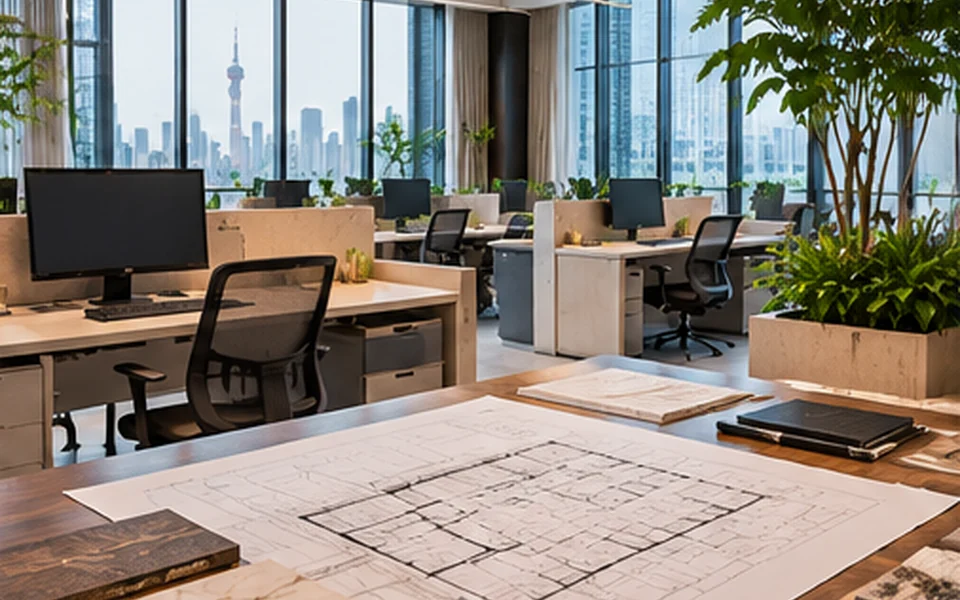
Bring existing plans, site photographs, ownership or lease conditions, approximate area, desired uses, a tentative programme and an honest budget range. Note difficult details such as columns, risers, storage, daylight, equipment and opening hours. These constraints often shape the first workable layout more than a moodboard.
Ask how the studio frames the problem
Invite the team to describe which users and activities they would study first. For a home, this might mean privacy, circulation and storage; for a venue, queueing, servicing and accessibility. Listen for clarification questions and a proposed site survey, rather than an immediate commitment to one fashionable style.
Discuss approvals without assuming outcomes
A design consultant can explain a likely route for landlord, building management and specialist coordination, but exact submissions depend on the property and scope. Ask which parts require qualified engineering input and who is responsible for arranging it. Avoid accepting a blanket assurance that permissions will be automatic.
Leave with decisions and next steps
The meeting should finish with a list of missing documents, an outline scope, named contacts and a proposed review sequence. Agree which deliverable demonstrates whether the spatial plan works before spending heavily on finishes. A short written meeting record prevents different parties from recalling different promises.
A practical scenario
An owner brings a furnished floor plan but no measured survey. The first useful output is not a photo-real render; it is a checklist of measurements and building information required before fixing meeting-room sizes.
This is an illustrative scenario, not a description of a completed SATU commission. The useful lesson is to connect the proposed design decision to people, the real condition of the site, the budget and the agreed approval process before work proceeds.
How to turn the guidance into a clear project decision
Make the next meeting specific. Bring a current plan or survey, explain the intended users and operating constraints, and ask the project team to distinguish confirmed conditions from assumptions. Use the points below as a shared agenda, then record who owns each action and its deadline. Where changes involve structure, mechanical services, fire protection or statutory matters, engage appropriately qualified professionals and confirm the site-specific requirements with the responsible authorities or building management.
Before approving procurement or construction, request the drawings and product information needed to verify the chosen solution. Compare alternatives against their intended use, installation lead time, replacement availability, cleaning requirements and effect on the approved programme. This disciplined approach lets design intent survive the move from attractive proposal to a working, maintainable interior.
Decision checklist
- Send available drawings and lease conditions ahead
- Describe non-negotiable uses and operating constraints
- Confirm who requests surveys and technical advice
- Ask for a written summary and next milestone
Frequently asked questions
What should I bring to the first meeting?
Plans, photos, constraints, priorities, budget expectations and a tentative timeline are the most useful starting points.
Will a designer quote without a survey?
An indicative scope may be possible, but precise quantities and technical responsibilities typically need verification.
Final perspective
The strongest result is not simply a convincing visual concept. It is a space that supports its occupants, responds to its building, and can be delivered and maintained with reasonable clarity. Bring these questions into your next design review in Shanghai and use the answers to build a more reliable brief.