SATU / SHANGHAI
Interior Design
Shanghai.
Distinctive places to live, work, gather and discover. Interior design, brand experience and delivery for commercial spaces and private homes.
View selected work ↗121.4737° E
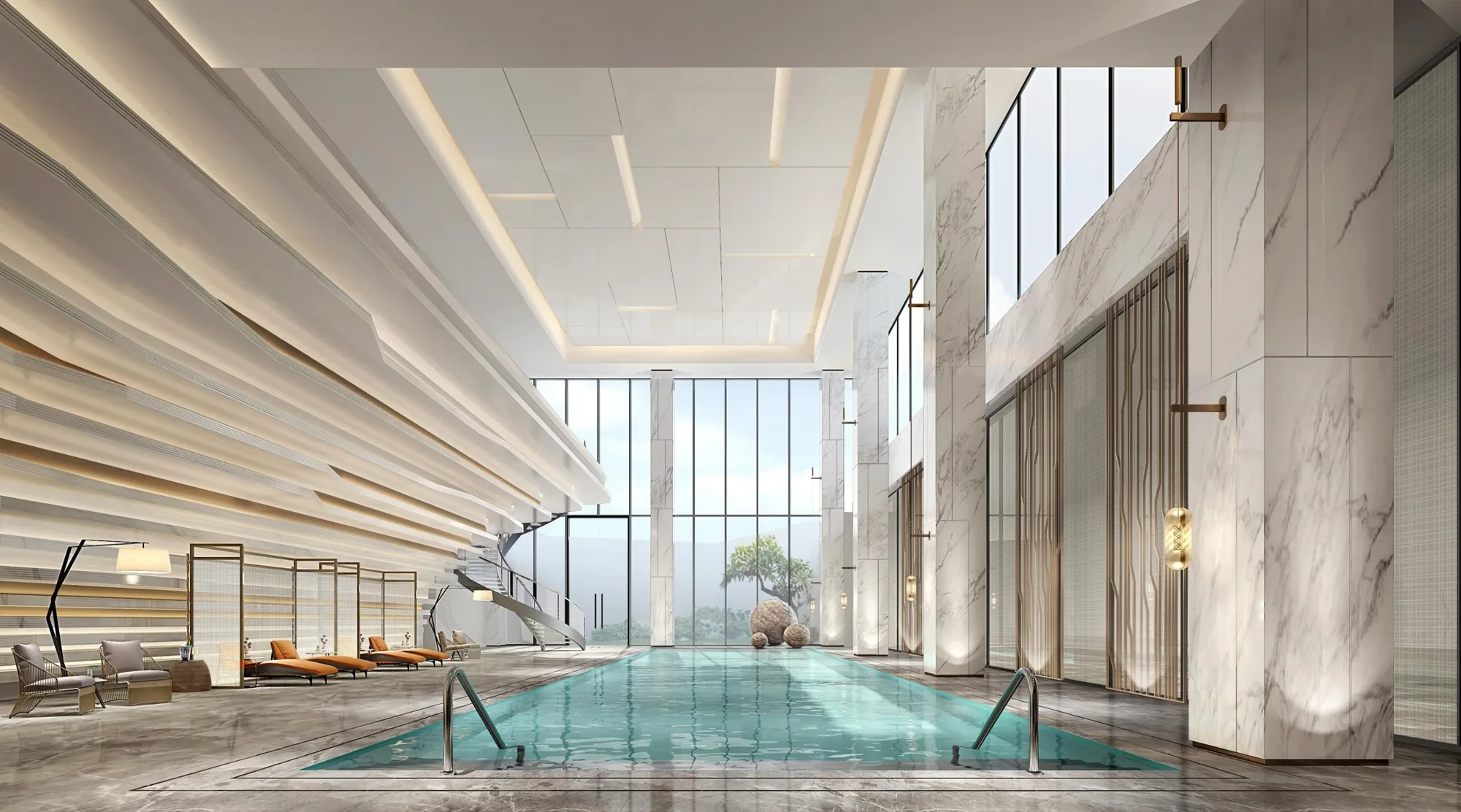
A complete perspective.
A personal response.
SATU is an international multidisciplinary design company established in 2011. Our Shanghai practice connects interiors, brand experience and delivery for businesses, hospitality operators and private clients across China. Discover the wider practice at SATU Design ↗.
An Interior Design Company Shanghai clients can approach for a family home, a hotel, a flagship or a headquarters. For any Interior Design Firm Shanghai clients consider, planning, communication and delivery should be as convincing as the design.
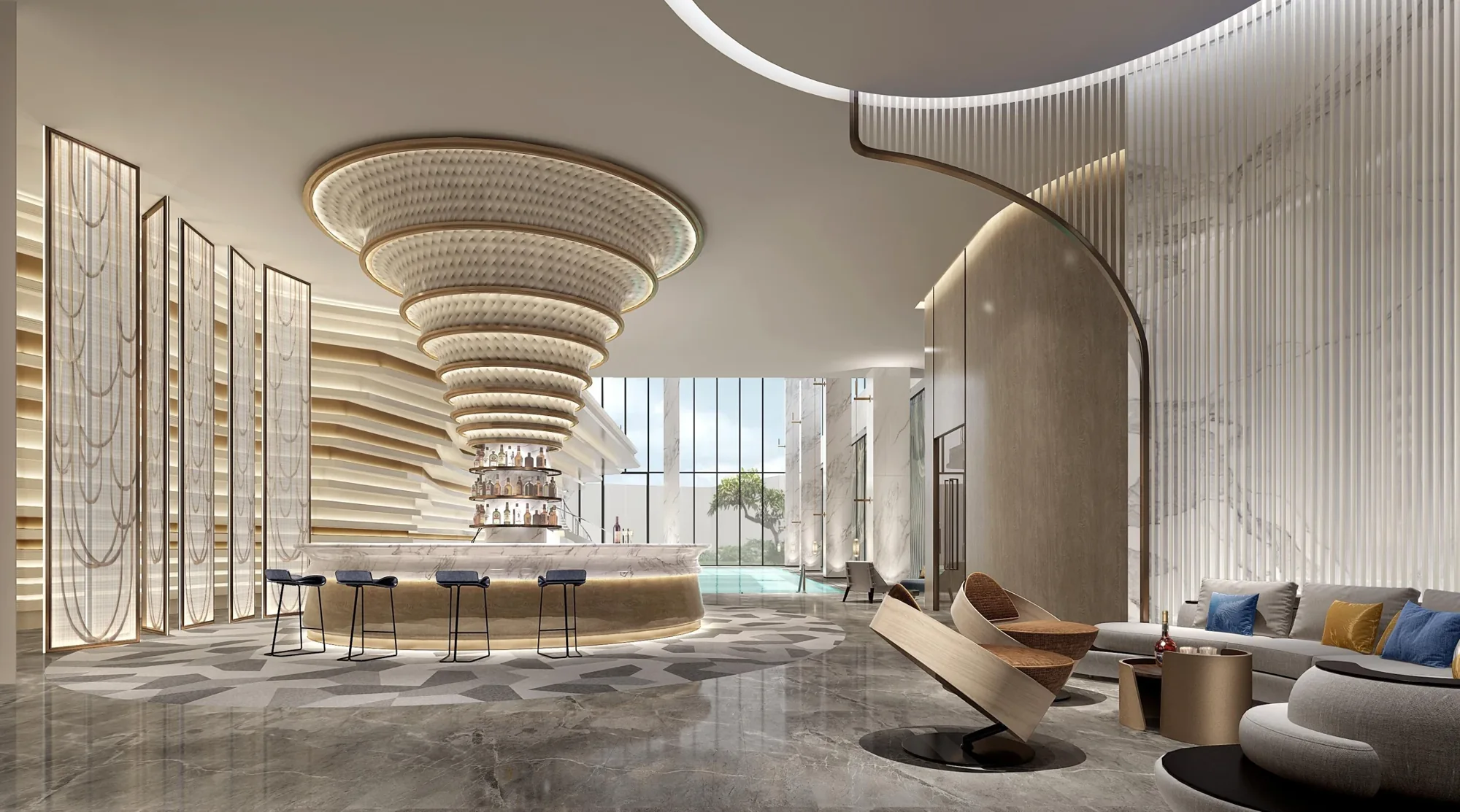
Shanghai Giant Clubhouse
↗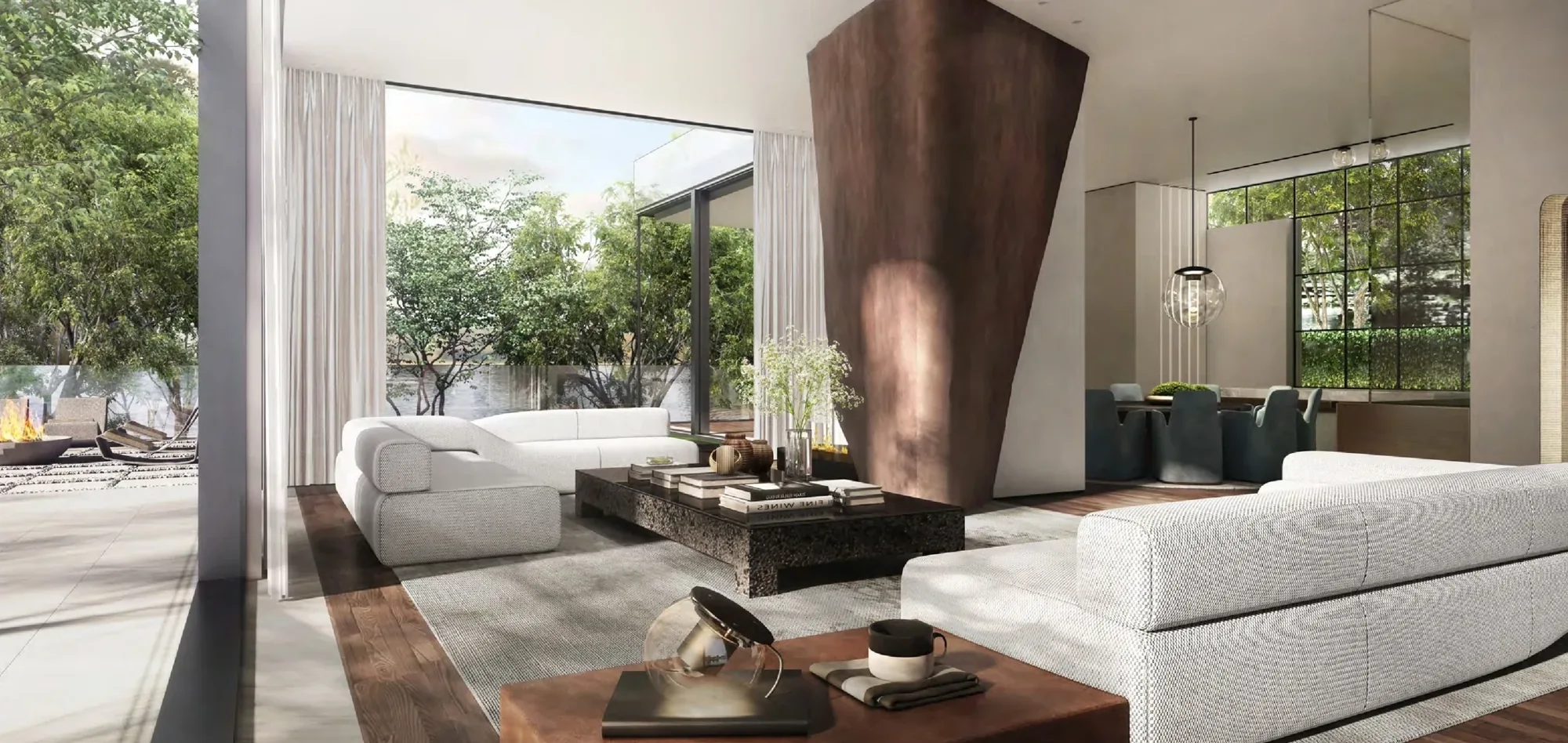
Lanying Bay Villa
↗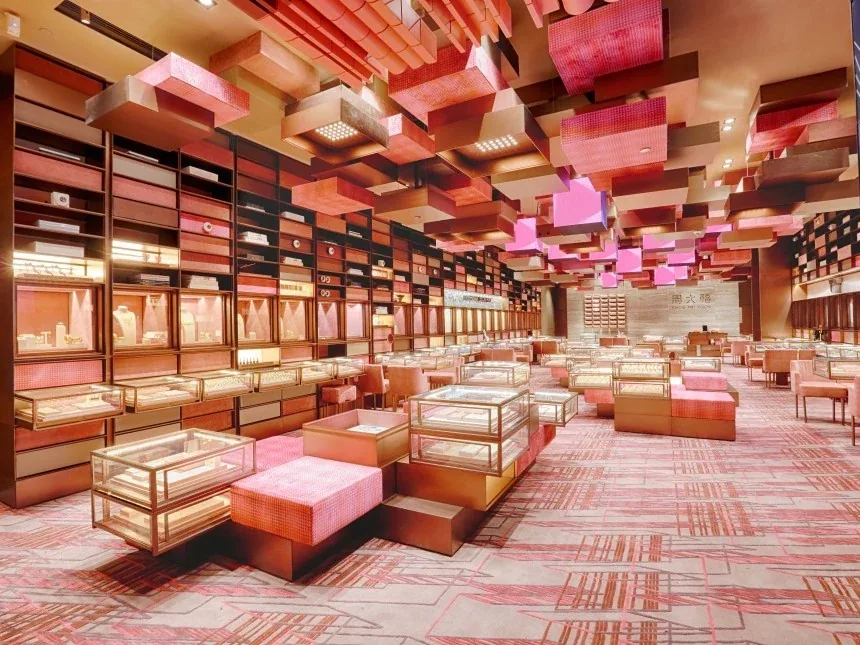
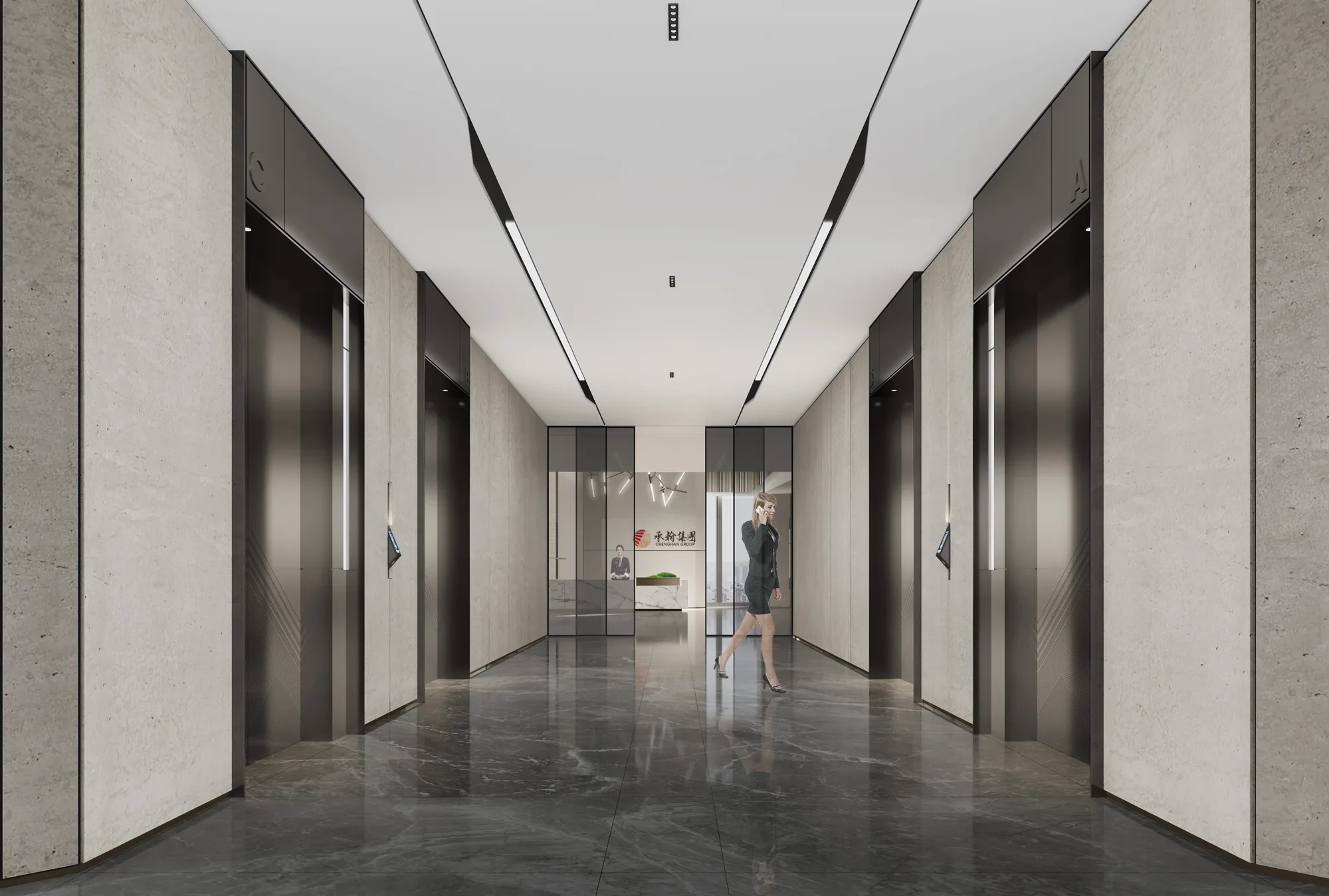
Chow Tai Fook Flagship
↗
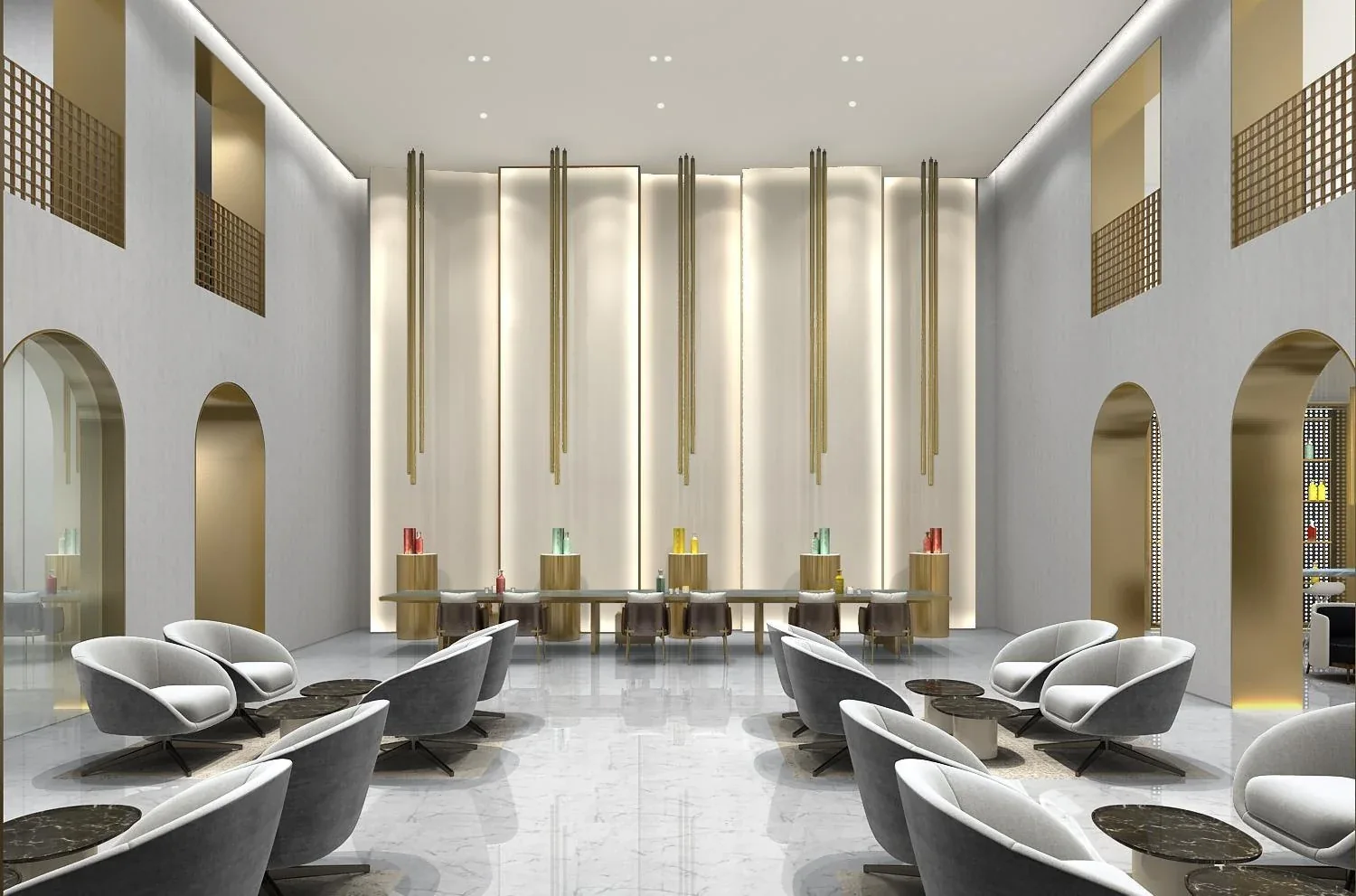
Cheng Han Group Headquarters
↗
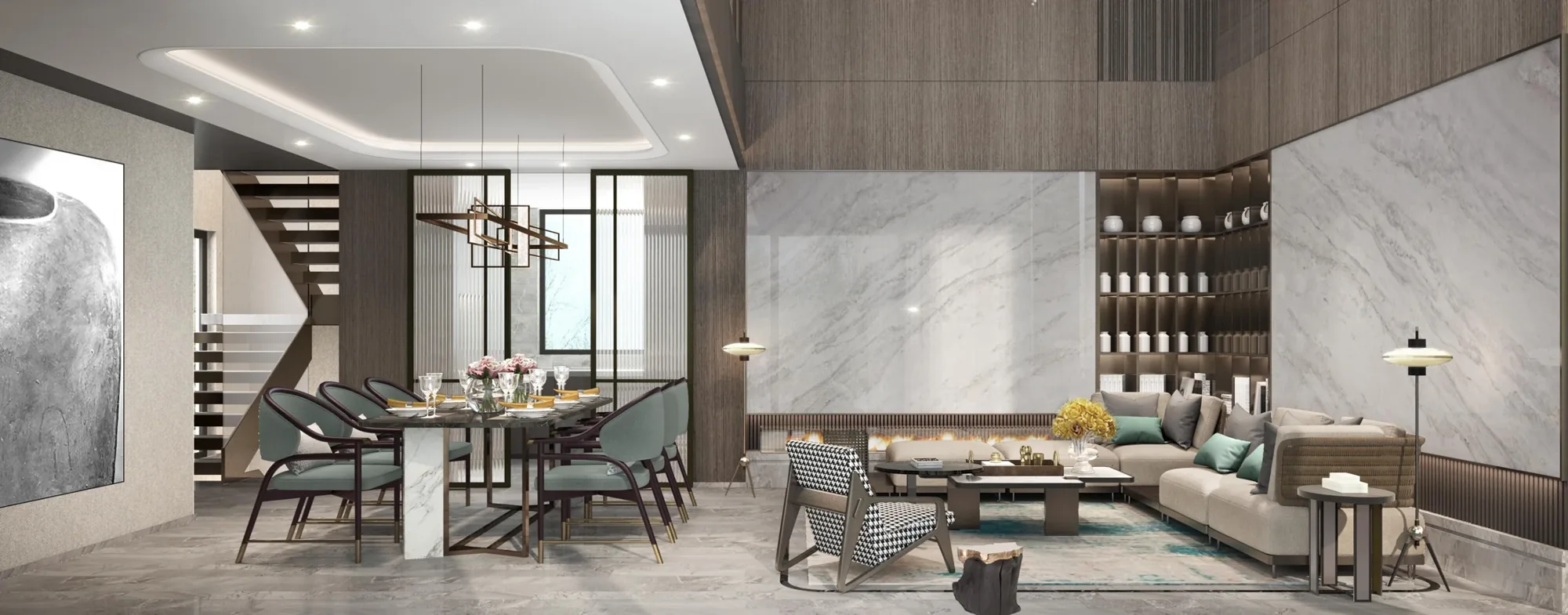
Guijiu Henan Experience Centre
↗
Chongming Island Villa
↗SECTORS + EXPERTISE
Space, in all its forms.
 01
01Commercial
Strategy-led commercial interiors that connect customer experience, operations and asset value.
 02
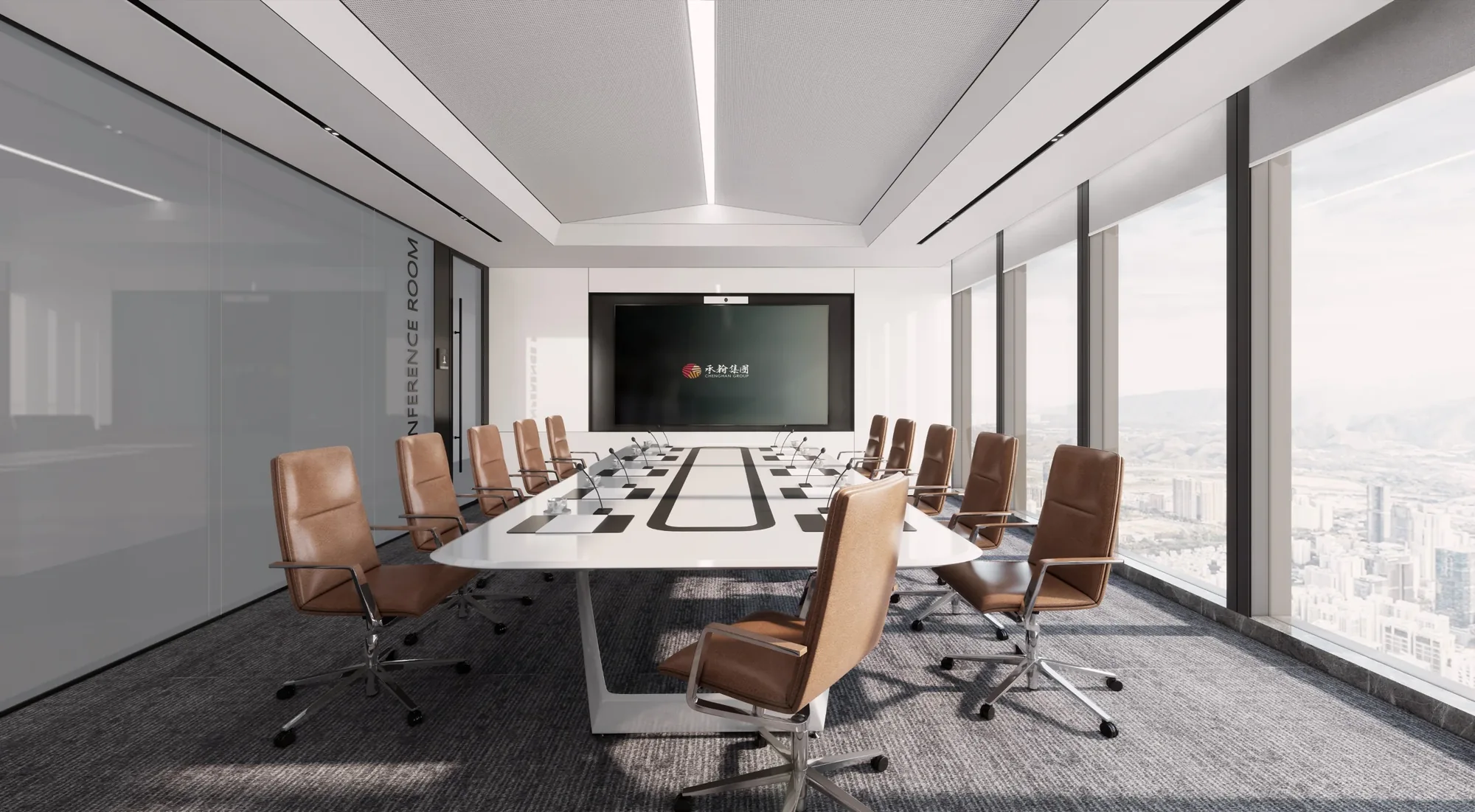
02Office & Workplace
Workplace strategy, office interiors and delivery for regional headquarters and growing teams.
 03
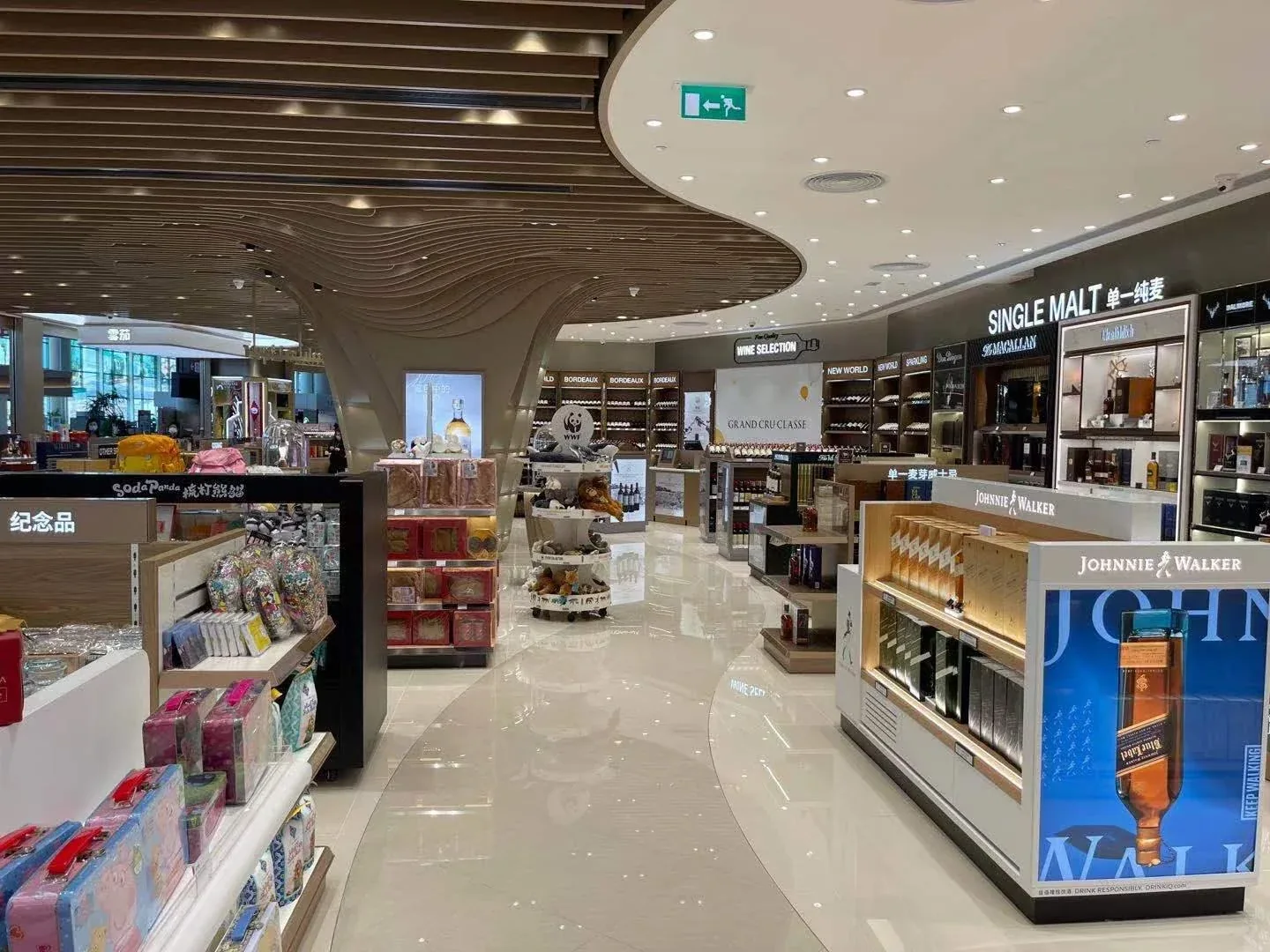
03Retail
Stores and flagships built from brand story, customer journey and commercial performance.
 04
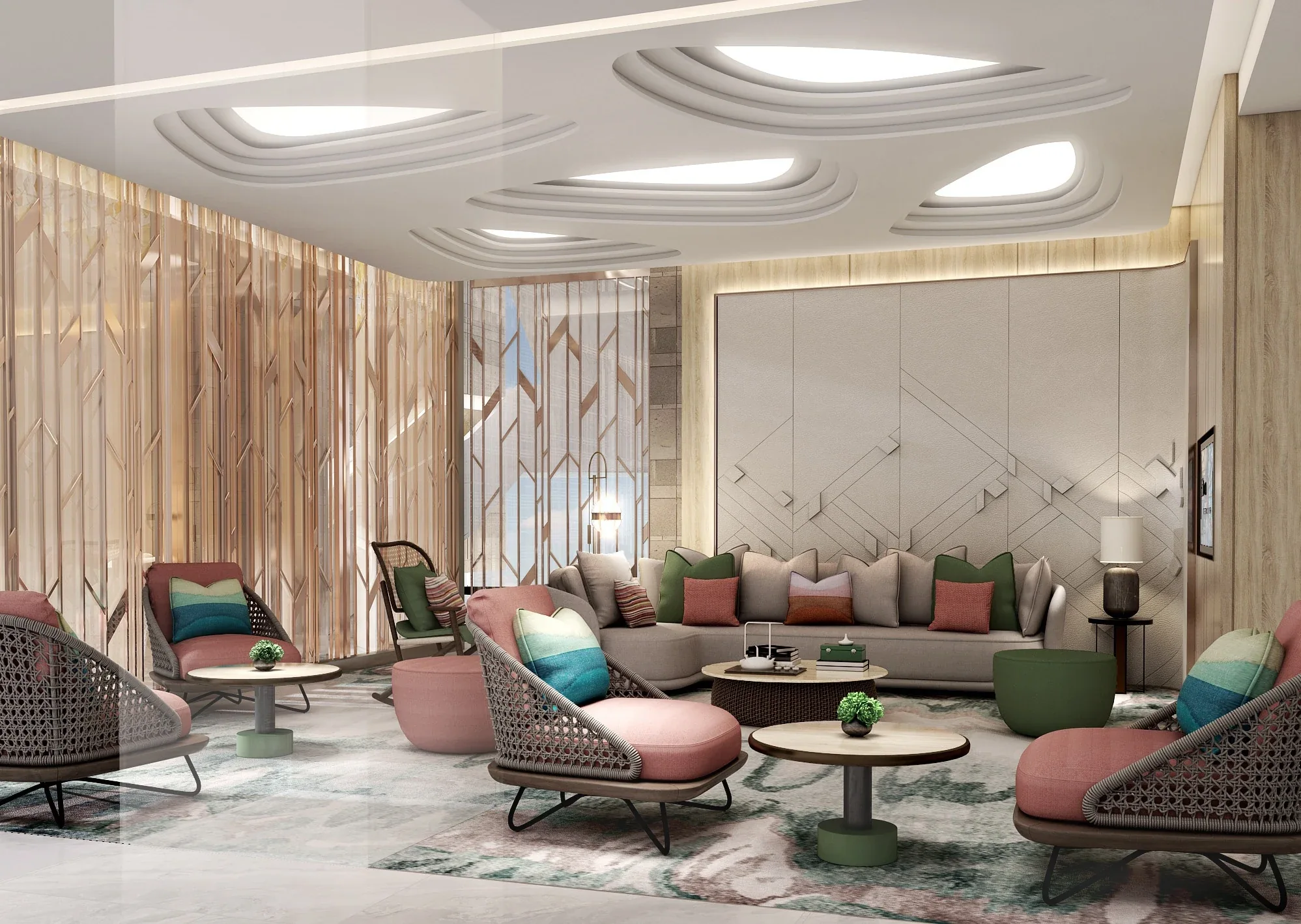
04Hospitality
Hotels, clubs and guest environments with a distinct sense of place and effortless service flow.
 05
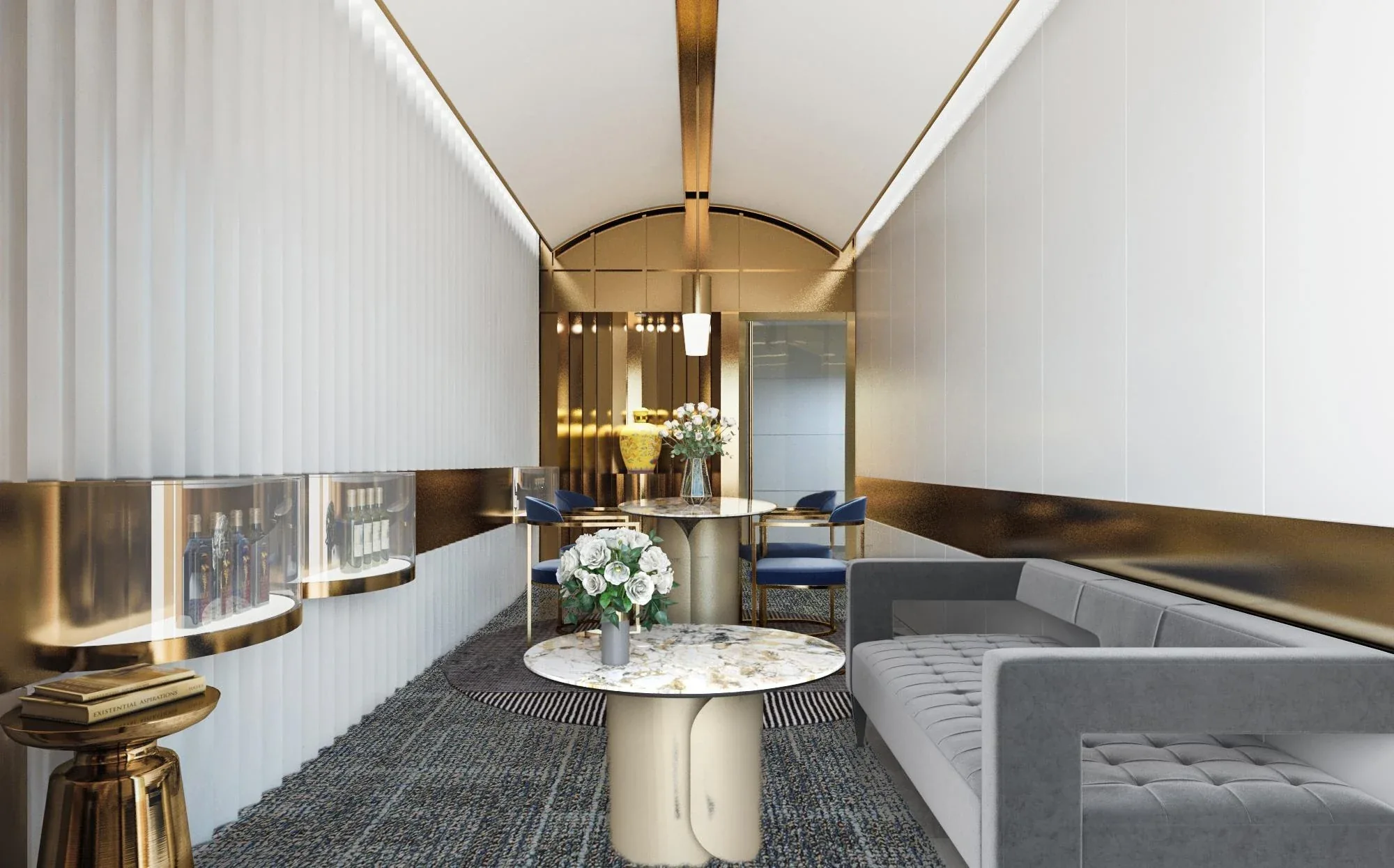
05Restaurant & F&B
Atmosphere, identity and service planning composed as one memorable dining experience.
 06
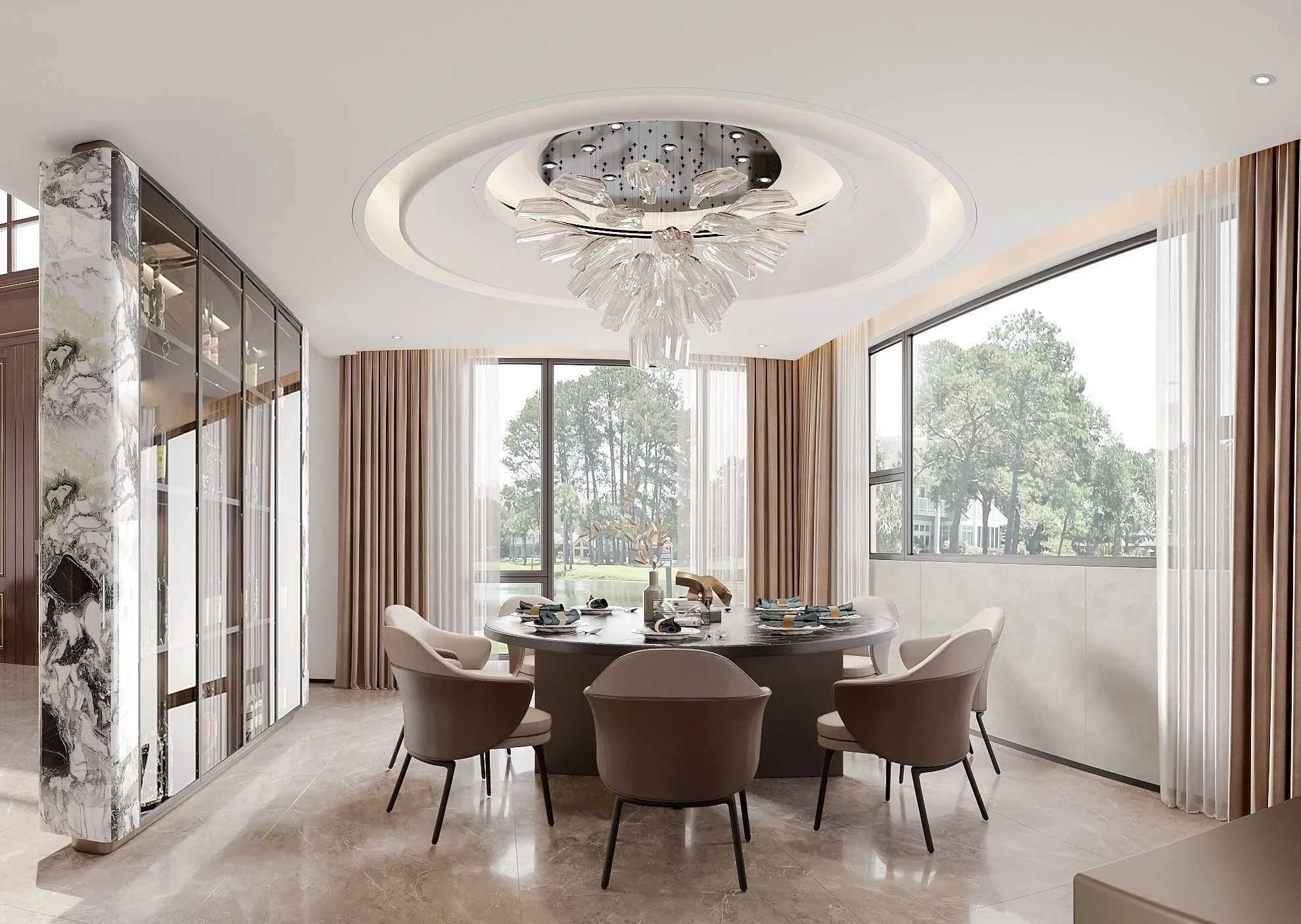
06Residential
Highly personal homes for international families, collectors and modern city life.
 07
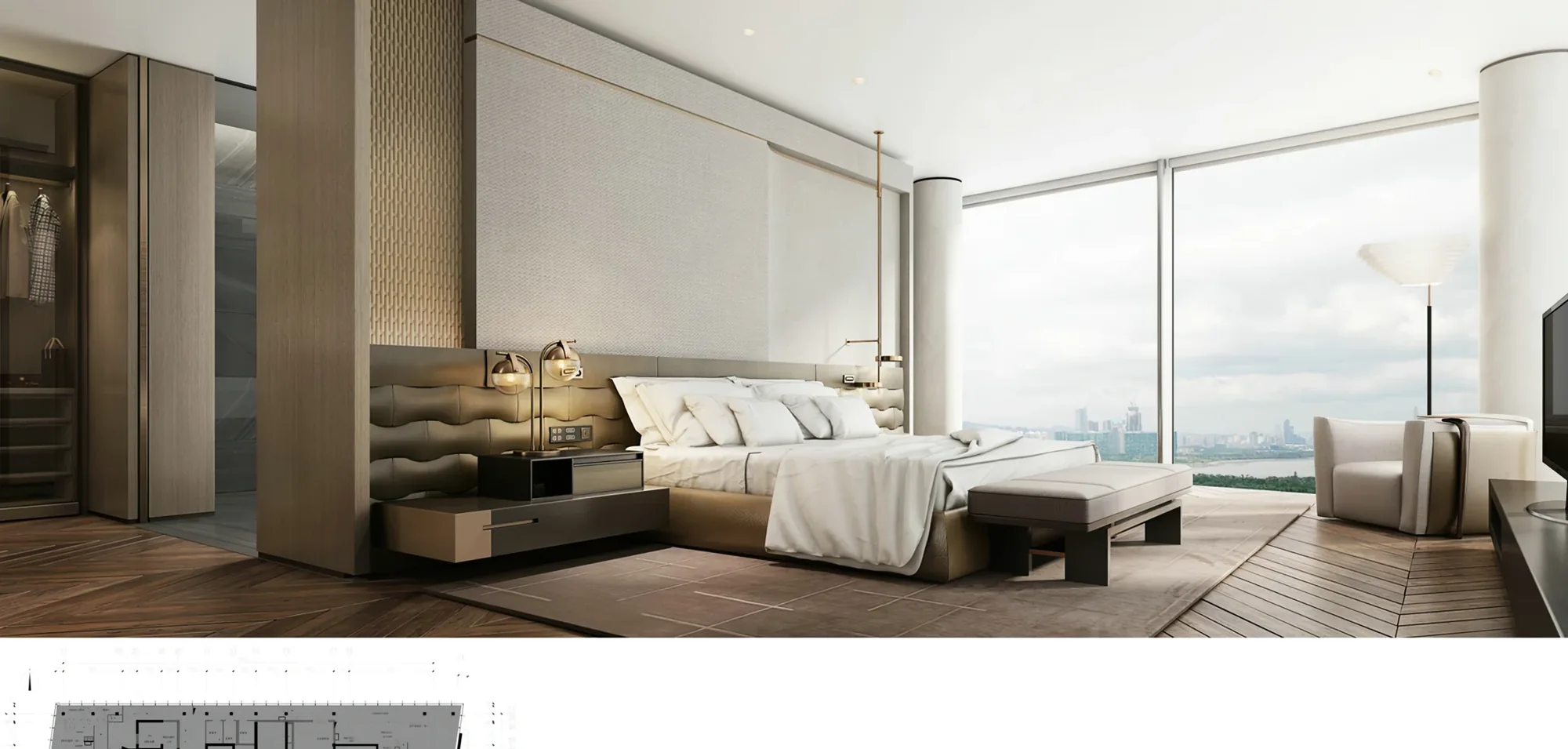
07Luxury
Refined residences shaped through proportion, natural material, craft and restraint.
 08
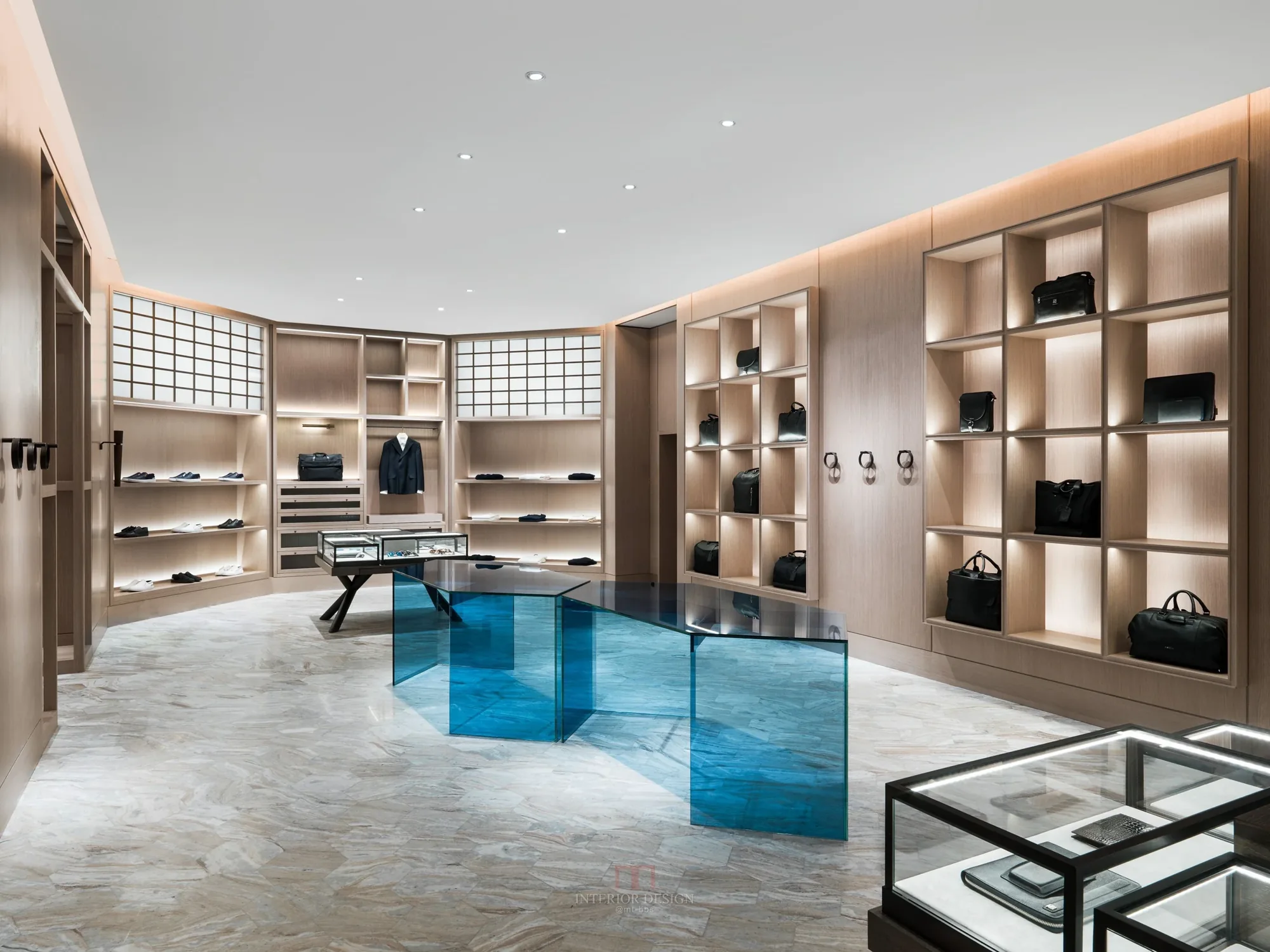
08Brand Experience
Brand strategy translated into identity, environment, content and customer experience.
 09
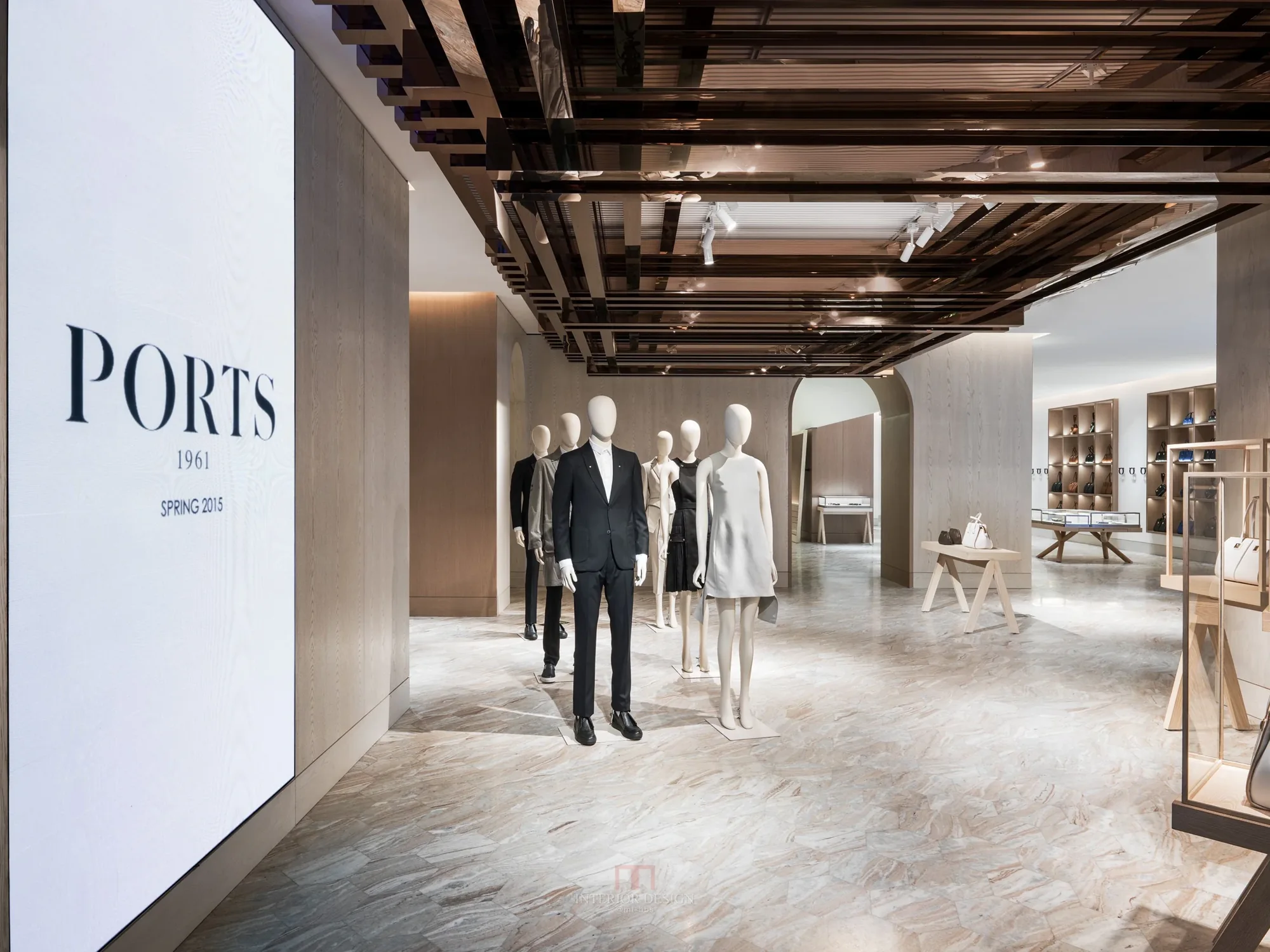
09Spatial Branding
Graphics, wayfinding, storytelling and interior cues working as one brand system.
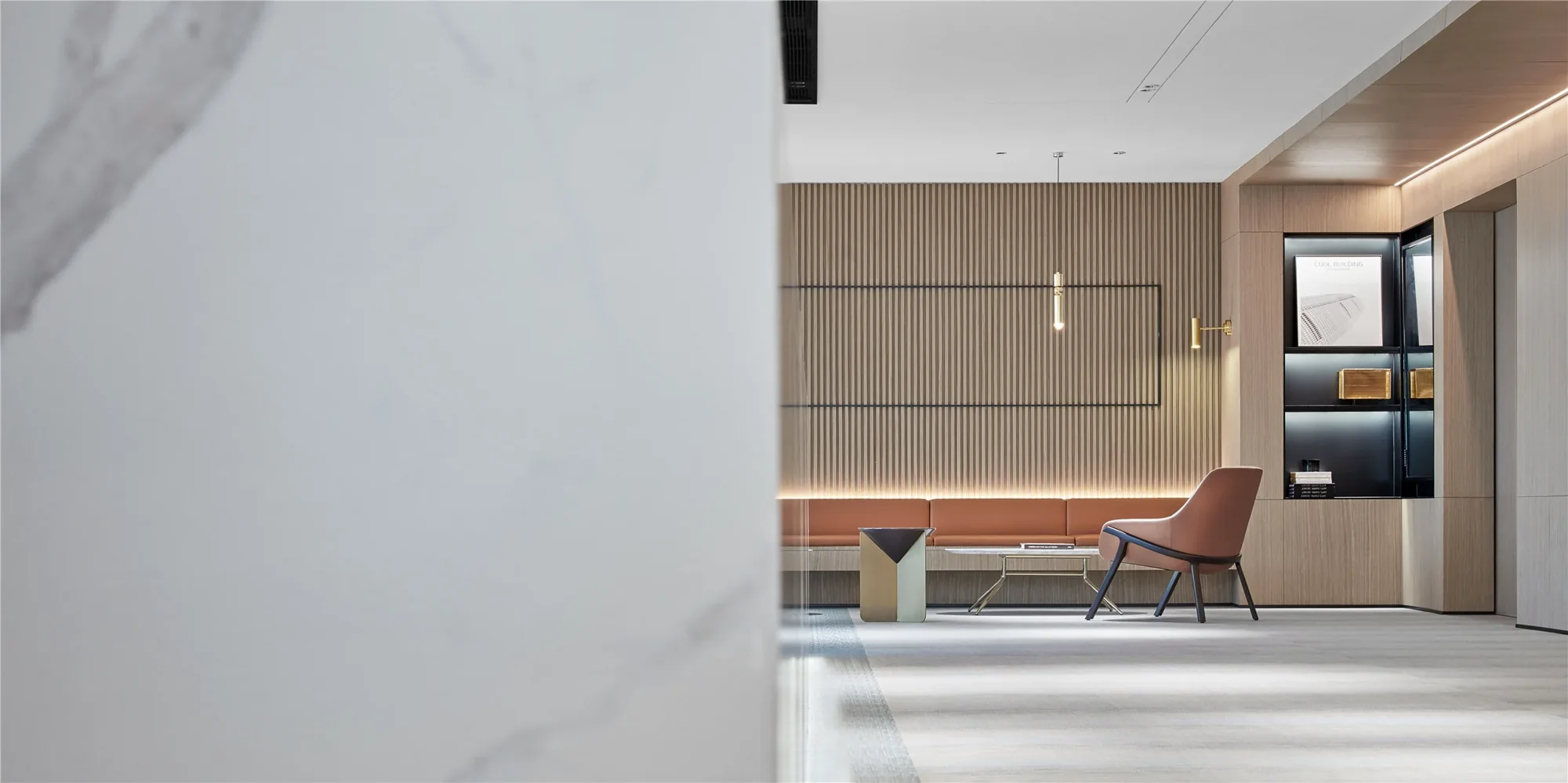 10
10Interior Architecture
Planning, circulation and technical design for complex urban interiors and adaptive reuse.
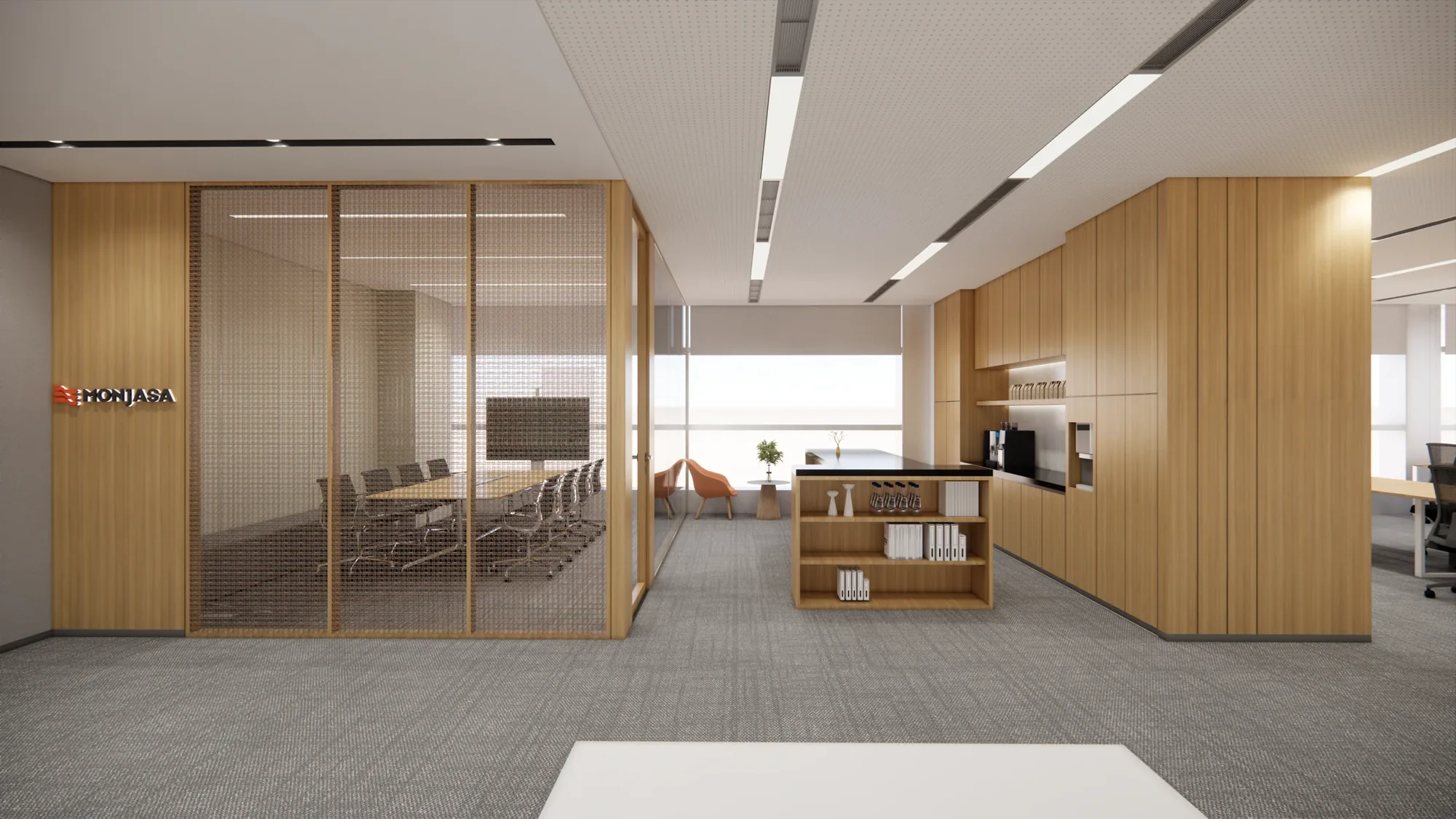 11
11Design & Build
One accountable team from brief and approvals through construction, styling and handover.
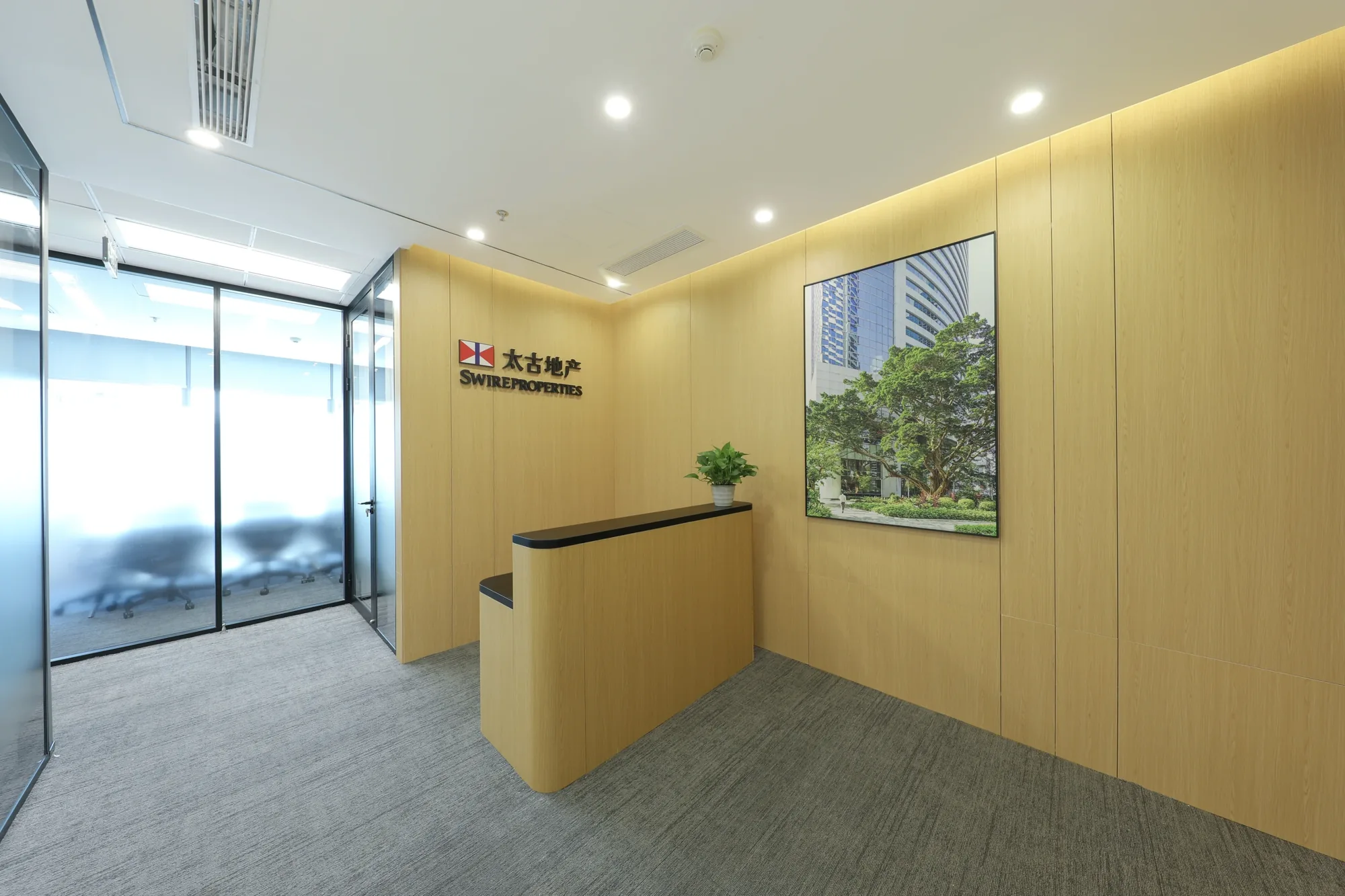 12
12Interior Fit-Out
Coordinated fit-out delivery with disciplined control of quality, programme and cost.
From the first conversation
to the final detail.
Start with the people and the purpose. We shape the brief, test the plan, develop the material and lighting language, and coordinate the details that make the space work. Each proposal identifies the design and delivery services appropriate to your project.
Meet SATU Shanghai ↗IDEAS / PRACTICAL PERSPECTIVES
Better questions.
Better spaces.
A few useful answers
What types of interior design does SATU Shanghai provide?
SATU covers commercial, workplace, retail, hospitality, restaurant, residential and luxury interiors, supported by brand experience, interior architecture, design and build, and fit-out. The team and scope are selected around the project rather than a single sector.
Do you design private homes as well as commercial spaces?
Yes. Apartment, villa and private-residence briefs receive the same attention to planning, detail and delivery as commercial commissions, with the family’s routines and privacy at the centre.
How does a Shanghai project begin?
Start with the location, approximate area, purpose, desired opening or move-in date and any available plans. An initial discussion helps establish the brief and the next assessment needed before a fee proposal.
What affects the interior design and fit-out budget?
Existing conditions, area, technical systems, material specification, custom work and procurement all affect cost. We separate design, construction and furniture allowances so decisions can be compared against a clear scope.
Can you support international clients working in China?
We can coordinate English and Chinese project communication and help align decision-making across client teams. SATU’s international practice connects multidisciplinary expertise with the needs of the local brief.
How long does a project take?
Timing depends on scope, surveys, decisions, building review, procurement and construction. A realistic programme follows the initial assessment; design approval and long-lead items need time before a completion date is committed.
Can you work within landlord and building requirements?
We identify the building’s submission and working procedures early and coordinate relevant consultants. The requirements and approval responsibility are confirmed for each site; no approval outcome is assumed in advance.
Is SATU Shanghai connected to SATU Design?
Yes. SATU is an international multidisciplinary design company established in 2011. The Shanghai website presents its interior design services for the city and wider China market, with a direct link to the official SATU Design practice.
Your place. Your next chapter.
Tell us where, what and why. We will help define the next step.
Discuss your project ↗